
 taha421


The shape and strength of nasal bones play an important role in determining the appearance, stability, and proportions of the nose. Differences in bone width, height, alignment, and contour can influence whether someone has a prominent bridge, a wide nasal appearance, or visible asymmetry. For individuals considering Rhinoplasty in Riyadh (عملية تجميل الانف في الرياض), understanding nasal bone structure helps explain why surgical planning must be tailored to each person’s anatomy. Rather than focusing only on the external appearance, a surgeon evaluates the underlying framework to identify suitable changes while maintaining structural support.
Nasal bones form the upper part of the nose, while cartilage supports much of the lower portion. These structures work together to create the overall nasal shape and contribute to its stability. During Rhinoplasty in Riyadh, the surgeon assesses how the nasal bones relate to the bridge, surrounding facial features, and internal nasal structures. This evaluation helps determine which techniques may be appropriate for improving nasal proportions, addressing irregularities, or correcting structural concerns.
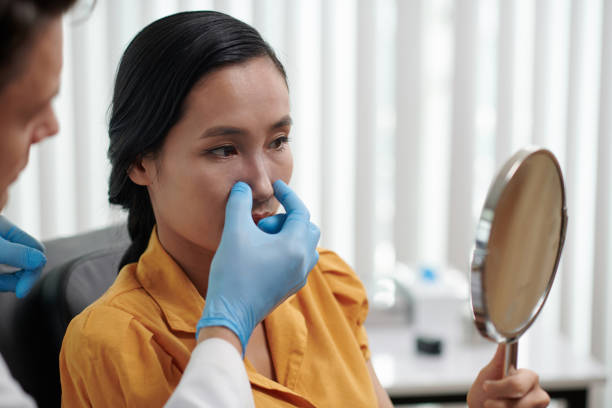
Understanding the Structure of Nasal Bones
The nasal bones are two small bones located in the upper part of the nose. They meet near the middle of the nasal bridge and connect with surrounding facial bones. Their shape and position influence the width, height, and contour of the upper nose.
Several characteristics may affect rhinoplasty planning:
- Bone width: Wider nasal bones may contribute to a broader appearance across the upper bridge.
- Bone height: The height of the nasal bridge influences the nose’s profile and relationship with the forehead.
- Bone alignment: Uneven positioning can create a crooked or asymmetrical appearance.
- Bone thickness: Individual differences may influence the surgical adjustments required.
- Bone contour: Irregularities or prominent areas can affect the smoothness of the nasal bridge.
Understanding these characteristics allows the surgeon to evaluate the underlying cause of a patient’s aesthetic concerns.
How Nasal Bone Shape Influences Rhinoplasty Techniques
Different bone structures may require different surgical approaches. The surgeon considers the specific concern, surrounding anatomy, and desired outcome before selecting a technique.
Addressing a Wide Nasal Bridge
Some individuals have wider nasal bones that create a broad upper nose. In appropriate cases, controlled bone repositioning may help refine the bridge and improve its proportions. The amount of adjustment depends on facial width, existing bone structure, and the need to maintain stability.
Correcting a Crooked Nasal Appearance
A crooked nose may result from uneven bone alignment, previous injury, or a combination of bone and cartilage differences. Treatment planning involves identifying where the deviation begins and determining whether structural adjustments are needed to improve alignment.
Refining a Prominent Nasal Bridge
A raised or prominent nasal bridge may create a visible bump along the profile. Depending on its composition and location, the concern may involve both bone and cartilage. The surgeon evaluates the entire nasal framework before deciding how to achieve a smoother contour.
The Role of Osteotomies in Rhinoplasty
Osteotomies are controlled surgical cuts made in bone to allow repositioning or reshaping. They may be used during certain rhinoplasty procedures when changes to nasal bone position or width are required.
Repositioning Nasal Bones
When the upper nose is too wide or uneven, carefully planned bone adjustments may help bring the nasal framework into a more balanced position. The technique depends on the patient’s anatomy and the extent of correction required.
Supporting Nasal Symmetry
Bone repositioning may help improve alignment when asymmetry is caused by the nasal bones. However, complete symmetry cannot always be achieved because natural facial differences may remain.
Why Cartilage and Bone Must Be Evaluated Together
Although nasal bones shape the upper bridge, cartilage contributes significantly to the lower nose, including the tip and nostril area. A concern that appears to involve bone may also be influenced by cartilage structure.
For example, a crooked nasal appearance may involve both the bony bridge and the cartilage below it. Similarly, reducing a prominent bridge requires consideration of how the remaining bone and cartilage will connect. Evaluating both structures helps the surgeon plan changes that maintain a smooth contour and adequate support.
How Previous Injuries Affect Nasal Bone Structure
A nasal injury can change bone alignment, create irregular contours, or affect the internal nasal framework. Even an injury that occurred years earlier may influence the shape of the nose and its function.
Before surgery, the surgeon may review the patient’s injury history and assess:
- Whether the nasal bones have healed in an altered position.
- Whether the bridge has developed visible irregularities.
- Whether the septum or airway passages are affected.
- Whether cartilage support has changed.
- Whether previous treatment has influenced the nasal structure.
This information helps determine whether the procedure should focus on aesthetic refinement, functional concerns, or both.
Balancing Nasal Bone Adjustments With Breathing Function
Nasal bone structure is closely related to the internal nasal framework. Changes made during surgery should therefore be planned with breathing function in mind. The surgeon may assess the nasal septum, airway space, and surrounding structures before recommending treatment.
Aesthetic improvements should not come at the expense of nasal stability or function. Patients experiencing persistent congestion or difficulty breathing should mention these symptoms during their consultation. A comprehensive evaluation helps identify concerns that may need attention alongside external reshaping.
Book a Rhinoplasty Consultation at Royal Clinic Saudi
Every nasal structure has individual characteristics that influence the techniques suitable for reshaping. Royal Clinic Saudi (عيادات رويال كلينك) provides consultations where patients can discuss their concerns, understand how bone and cartilage affect nasal appearance, and explore appropriate surgical options. Schedule an appointment to receive an assessment based on your facial proportions, nasal anatomy, and treatment goals.
FAQs:
1. Why are nasal bones important in rhinoplasty?
Nasal bones form the upper bridge and influence the nose’s width, height, alignment, and overall contour.
2. Can rhinoplasty correct a wide nasal bone structure?
In suitable cases, surgical techniques may reposition the nasal bones to create a more refined bridge.
3. Are nasal bones and cartilage treated differently?
Yes. Bone and cartilage have different structures and functions, so the surgeon selects techniques according to the specific area being addressed.
4. Can a previous nasal injury affect rhinoplasty planning?
Yes. An injury may change bone alignment, cartilage structure, or breathing function, making a detailed assessment important before surgery.