
 taha421


Facial expressions are an essential part of everyday communication, helping people show happiness, surprise, concern, and other emotions. However, repeated facial movements can gradually contribute to the development of expression lines around the forehead, eyes, and eyebrows. Botox Injections in Riyadh are commonly considered by individuals who want to soften these visible lines while maintaining a refreshed and natural appearance. Understanding how facial expressions influence wrinkle formation can help explain why muscle movement is an important part of treatment planning.
Every time you smile, frown, raise your eyebrows, or squint, specific facial muscles contract beneath the skin. Over the years, repeated movements may contribute to fine lines that become more noticeable even when the face is relaxed. Botox Injections in Riyadh work by temporarily reducing activity in selected muscles, helping soften certain expression-related wrinkles. The treatment approach should consider each person’s facial anatomy and natural expressions rather than focusing only on visible lines.
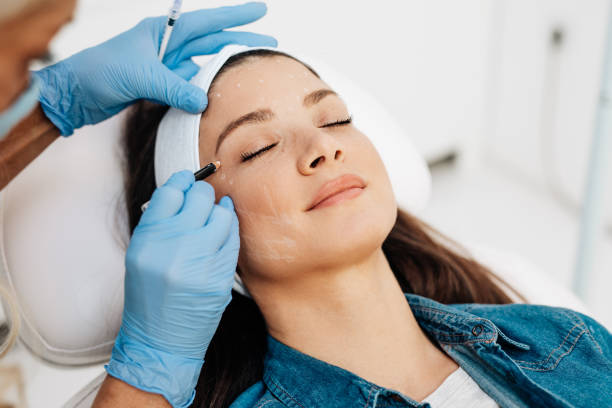
How Facial Expressions Contribute to Wrinkle Formation
Repeated Muscle Movements
Facial muscles contract throughout the day to create expressions. Repeated eyebrow raising can contribute to horizontal forehead lines, while frowning may lead to vertical lines between the eyebrows. Smiling and squinting can also contribute to fine lines around the outer corners of the eyes.
Changes in Skin Elasticity
As skin naturally ages, it gradually loses some of its elasticity and firmness. This means that lines created by repeated muscle movements may become more noticeable over time. Sun exposure, genetics, and lifestyle factors can also influence how expression lines develop.
Why Facial Expressions Matter During Botox Treatment
Understanding Individual Muscle Activity
Not everyone uses their facial muscles in the same way. Some people naturally raise their eyebrows frequently, while others have stronger frowning movements or pronounced expressions around the eyes. Assessing these patterns helps a qualified practitioner identify which muscles may be appropriate to target.
Maintaining Natural Facial Movement
The purpose of treatment is not necessarily to eliminate facial expressions. A balanced approach aims to soften unwanted lines while preserving the ability to communicate emotions naturally. Treatment planning should consider muscle strength, eyebrow position, facial symmetry, and individual preferences.
Common Facial Areas Considered for Botox
Forehead Lines
Horizontal forehead lines often appear when a person raises their eyebrows. Botox may temporarily reduce activity in selected forehead muscles, helping soften these expression-related creases.
Frown Lines Between the Eyebrows
Repeated frowning can contribute to vertical lines between the eyebrows, sometimes called glabellar lines. These lines may create a serious or concerned appearance. Carefully planned treatment can help reduce their visibility.
Crow’s Feet Around the Eyes
The muscles surrounding the eyes contract when smiling or squinting. Over time, this movement may contribute to fine lines at the outer corners of the eyes. Botox may help soften these lines while taking care to preserve natural smiling expressions.
How Botox Works With Facial Muscles
Botox is an injectable treatment that temporarily blocks certain nerve signals responsible for muscle contraction. When the targeted muscles become less active, the skin above them may appear smoother. Its effects are temporary, and muscle movement gradually returns over time.
The treatment does not stop all facial movement or prevent natural aging. Instead, it focuses on selected muscles that contribute to specific expression lines. Botox Injections in Riyadh should therefore be planned according to facial movement patterns, treatment goals, and an individual’s overall features.
What to Expect During a Botox Consultation
Facial Assessment
A consultation generally involves examining facial expressions at rest and during movement. The practitioner may ask you to raise your eyebrows, frown, or smile to understand how different muscles contribute to visible lines.
Personalized Treatment Planning
Based on the assessment, a qualified healthcare professional can explain which areas may benefit from treatment, what results are realistic, and whether Botox is suitable. The amount and placement of injections depend on individual anatomy and muscle activity.
Treatment and Recovery
The procedure typically involves small injections into selected muscles using a fine needle. Mild redness, swelling, tenderness, or bruising may occur around the injection sites. Results usually develop over several days, with the full effect commonly becoming noticeable within about two weeks.
Benefits of Considering Facial Expressions in Treatment
Taking facial movement into account can support a more individualized treatment approach. It may help practitioners target the muscles responsible for specific wrinkles, consider facial balance, and avoid unnecessarily restricting movement. It also helps establish realistic expectations, since deeper lines that remain visible when the face is relaxed may not disappear completely with Botox.
Safety and Realistic Expectations
Botox should be administered by a qualified and experienced healthcare professional following an appropriate assessment. Possible side effects include temporary bruising, swelling, headache, or discomfort. Occasionally, unwanted eyebrow or eyelid drooping may occur. Rare but serious symptoms, including difficulty swallowing, speaking, or breathing, require urgent medical attention.
People who are pregnant or breastfeeding, have certain neuromuscular conditions, or have known allergies to treatment ingredients should discuss their circumstances with a healthcare professional before considering injections. Results commonly last around three to four months, although duration varies between individuals.
Book a Consultation at Royal Clinic Saudi
If expression lines are affecting the appearance of your forehead, eyebrows, or eye area, a professional consultation can help you explore suitable options. Royal Clinic Saudi can discuss your aesthetic goals, assess your facial movements, and explain whether Botox treatment may be appropriate. An individualized approach can help you make an informed decision while keeping natural facial expression in mind.
FAQs:
1. Why are facial expressions important before Botox treatment?
Facial expressions show how individual muscles move and contribute to wrinkles. Assessing these movements helps a practitioner plan treatment according to the person’s facial anatomy.
2. Can Botox completely stop facial expressions?
The aim of a carefully planned treatment is to reduce activity in selected muscles, not eliminate all facial movement. Results depend on the injection placement and treatment approach.
3. Which facial expressions commonly contribute to wrinkles?
Repeated frowning, raising the eyebrows, smiling, and squinting can contribute to expression lines around the forehead, between the eyebrows, and around the eyes.
4. How long do Botox results usually last?
Results commonly last around three to four months, although the duration varies depending on muscle activity, treatment area, dosage, and individual response.