
 taha421


Body proportions can influence how a person feels about their overall appearance and clothing choices. When breasts are disproportionately large compared with the rest of the body, some women may feel that their upper body looks heavier or less balanced. This difference can also affect physical comfort, particularly when breast weight contributes to shoulder, neck, or back discomfort. Breast reduction in Riyadh is a surgical procedure designed to remove excess breast tissue, fat, and skin to create a smaller breast size that may better complement the individual’s natural frame.
Every woman’s body has a different structure, and there is no single ideal breast size. The purpose of breast reduction is to develop a result that considers personal preferences, physical proportions, and medical suitability. Understanding the procedure and its potential outcomes can help women decide whether it aligns with their goals.
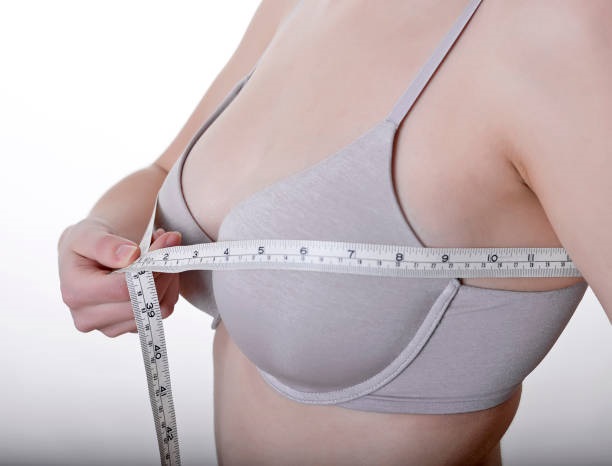
How Breast Size Influences Overall Body Proportion
Breast size can affect the visual balance between the upper body, waist, and shoulders. When the bust is significantly larger than the surrounding frame, clothing may fit differently across the chest, making it difficult to find garments that feel comfortable and proportionate.
Some women may also experience physical challenges because of additional breast weight. These can include discomfort during prolonged standing, difficulty participating in certain activities, and pressure from bra straps. The extent of these concerns varies according to body structure, breast volume, and individual health.
The Role of Breast Reduction in Creating a Balanced Appearance
Breast reduction surgery aims to decrease breast volume while reshaping the remaining tissue. The surgeon removes selected amounts of fat, glandular tissue, and excess skin to create smaller breasts that are more proportionate to the patient’s body.
The procedure may also involve repositioning the nipple and areola to maintain a natural-looking breast shape. The surgical plan depends on the patient’s anatomy, skin elasticity, breast structure, and desired outcome. Breast reduction in Riyadh can be considered by women who want to address disproportionately large breasts and explore a more balanced upper-body appearance.
Why Individual Body Structure Matters in Surgical Planning
A balanced result should complement the patient’s natural anatomy rather than follow a standard size or shape. Factors such as shoulder width, chest dimensions, body weight, skin quality, and existing breast asymmetry can influence the surgical approach.
During an assessment, the surgeon examines these characteristics and discusses realistic expectations. The amount of tissue removed is not determined by appearance alone. It must also take into account blood supply, tissue health, nipple positioning, and the patient’s overall safety.
Improving Clothing Fit and Everyday Confidence
Large breasts can make clothing selection challenging, especially when the bust requires a larger size than the waist or hips. Some women experience tightness around the chest, difficulty finding well-fitting tops, or discomfort when wearing structured garments.
Reducing breast volume may provide greater flexibility when choosing everyday clothing, professional outfits, and activewear. Some patients also feel more comfortable with their body proportions after surgery. However, personal satisfaction varies, and breast reduction should be based on the patient’s own preferences rather than external expectations.
Potential Physical Benefits of Reducing Breast Weight
For women whose large breasts contribute to physical discomfort, reducing breast weight may help ease certain daily challenges. Some patients report improvements in shoulder pressure, neck or back discomfort, and difficulty with physical activities after recovery.
The procedure may also make exercise and movement more comfortable for some individuals. Nevertheless, breast reduction cannot guarantee relief from every physical symptom. Discomfort may have other causes, so a medical evaluation is important before deciding on surgery.
Understanding the Surgical Procedure
Breast reduction is usually performed under general anesthesia. The surgeon makes planned incisions, removes excess breast tissue and skin, and reshapes the remaining tissue. Depending on the required reduction, the nipple and areola may be repositioned to support the new breast contour.
Different incision patterns may be appropriate for different patients. The surgeon explains the recommended technique, expected scars, and possible changes in sensation before the procedure. Patients should also discuss whether the surgery may affect future breastfeeding and understand that scars generally remain, although their appearance can improve over time.
Recovery and Maintaining Your Surgical Results
Recovery varies depending on the surgical technique, the amount of tissue removed, and individual healing. Swelling, bruising, tenderness, and temporary changes in nipple sensation may occur during the early stages. Patients are generally advised to wear a supportive surgical garment and follow specific wound-care instructions.
Strenuous exercise, heavy lifting, and activities that place pressure on the chest should be avoided until the surgeon confirms they are safe. Maintaining a stable weight may help preserve the results, although natural ageing, pregnancy, and hormonal changes can influence breast shape and size over time.
Discussing Expectations, Benefits, and Possible Risks
A consultation should include an honest discussion of the patient’s desired breast size, body proportions, and reasons for considering surgery. The surgeon should explain what can realistically be achieved and whether the patient’s expectations are suitable for the procedure.
Potential risks include infection, bleeding, scarring, delayed wound healing, asymmetry, changes in nipple sensation, and possible effects on breastfeeding. Understanding these considerations helps patients make informed decisions and prepare for the recovery process.
Book a Breast Reduction Consultation at Royal Clinic Saudi
Women interested in improving the proportion between their bust and natural frame can arrange a consultation at Royal Clinic Saudi to discuss their concerns and aesthetic goals. An individual assessment can help determine whether breast reduction is suitable and explain the surgical approach, recovery expectations, and potential outcomes. Professional guidance is essential for making a decision based on personal anatomy, health, and realistic expectations.
FAQs:
1. Can breast reduction make my upper body look more proportionate?
It may create a more balanced appearance by reducing breast volume in relation to the patient’s natural frame.
2. How does a surgeon decide how much breast tissue to remove?
The decision depends on body proportions, breast structure, skin quality, medical considerations, and the patient’s goals.
3. Will breast reduction change the shape of my breasts?
Yes. The procedure generally involves reshaping the remaining tissue to create a smaller and more balanced contour.
4. Can body weight changes affect breast reduction results?
Yes. Significant weight changes, pregnancy, hormonal changes, and natural ageing may influence breast size and shape over time.