
 taha421


Choosing a suitable wellness treatment often means finding an approach that respects the body’s natural processes without applying unnecessary pressure. Lymphatic drainage massage is known for its light, rhythmic movements, which are designed to support the movement of excess fluid through the lymphatic system. Lymphatic massage (مساج لمفاوي) in Riyadh may be considered by individuals looking for a gentle approach to managing certain types of swelling and supporting tissue fluid balance.
Unlike traditional massage techniques that may involve firm pressure or deep muscle manipulation, lymphatic drainage focuses on superficial tissues and delicate lymphatic pathways. Lymphatic massage in Riyadh is therefore different in both technique and purpose. Its gentle approach makes it important to understand how the treatment works, who may be suitable for it, and why professional assessment matters before beginning a session.
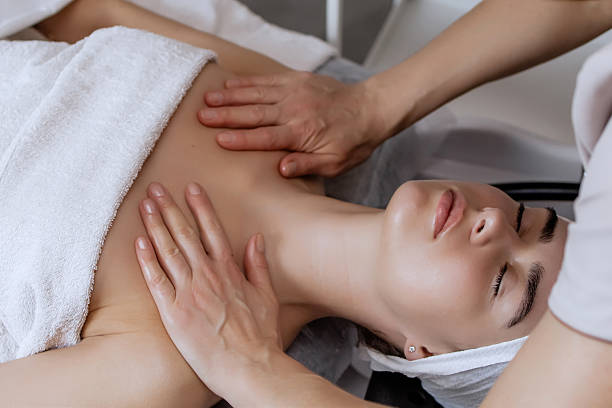
Understanding Lymphatic Drainage Massage
The lymphatic system is a network of vessels, lymph nodes, and tissues that helps maintain fluid balance throughout the body. It collects excess fluid from the spaces surrounding cells and transports it through lymphatic pathways before returning it to the bloodstream.
Lymphatic drainage massage, also known as manual lymphatic drainage, is a specialized technique that uses controlled, gentle movements to encourage lymph movement. It is sometimes included in professional care plans for people experiencing lymphedema or certain forms of swelling.
The technique does not aim to work deeply into muscles. Instead, it focuses on the skin and superficial tissues, following suitable lymphatic pathways. This requires an understanding of anatomy and appropriate pressure.
Why Gentle Pressure Is Important
Working With Delicate Lymphatic Vessels
Lymphatic vessels are delicate structures located close to the surface in many areas of the body. Applying excessive pressure is not necessary for manual lymphatic drainage and may cause discomfort. Gentle movements are used to influence the skin and superficial tissues without forceful manipulation.
Supporting Natural Fluid Movement
The lymphatic system helps transport excess tissue fluid. Specialized massage techniques may support this process when fluid accumulation is present and treatment is appropriate. The objective is to encourage movement along suitable pathways rather than force fluid through the tissues.
Creating a Comfortable Treatment Experience
The light pressure used during lymphatic drainage can make the session feel different from deep tissue massage. Movements are generally slow and rhythmic, allowing the practitioner to work carefully around the treatment area. The technique should not cause significant pain or bruising.
Potential Benefits of a Gentle Lymphatic Approach
Managing Certain Types of Swelling
Manual lymphatic drainage may help manage swelling associated with lymphedema and selected medical or postoperative conditions when included in an appropriate care plan. The treatment approach depends on the cause and severity of swelling.
Supporting Tissue Fluid Balance
The lymphatic system contributes to maintaining the balance of fluid around cells. When drainage is impaired, excess fluid may accumulate in tissues. Professional lymphatic techniques may support fluid movement in suitable cases.
Complementing Postoperative Care
Swelling can occur after certain surgical and cosmetic procedures. In selected situations, a healthcare professional may recommend lymphatic drainage as part of recovery. It should only begin after approval from the treating surgeon, with timing and technique adjusted to the healing stage.
Supporting Facial Wellness
Some people consider gentle facial lymphatic drainage when temporary puffiness is related to fluid accumulation. Appropriate techniques may help reduce certain types of swelling, although they cannot correct every cause of facial puffiness or replace medical treatment.
Lymphatic Drainage Massage Compared With Deep Tissue Massage
Although both treatments involve hands-on techniques, their purposes are different. Deep tissue massage generally focuses on muscles and deeper soft tissues, using firmer pressure to address areas of tension. Manual lymphatic drainage uses light, repetitive movements directed along lymphatic pathways.
The amount of pressure is therefore an important distinction. A stronger massage is not necessarily more effective for lymphatic drainage. The technique should be selected according to the treatment goal, the person’s health history, and professional assessment.
Who May Consider Gentle Lymphatic Drainage?
Individuals with certain types of swelling may be suitable for manual lymphatic drainage following assessment by a qualified healthcare professional. It may also be considered for selected people recovering from surgery when recommended by their treating surgeon.
However, this treatment is not suitable for every person. Sudden, painful, persistent, or unexplained swelling requires medical evaluation. People with an acute infection, suspected blood clot, or certain heart and kidney conditions should obtain medical advice before considering lymphatic massage.
What to Expect During a Professional Session
A professional session usually begins with a discussion of health history, symptoms, and treatment goals. The practitioner considers the reason for swelling and whether manual lymphatic drainage is appropriate.
During the session, gentle and rhythmic movements are applied to selected areas. The practitioner follows suitable lymphatic pathways and avoids unnecessary pressure. The treatment duration and frequency depend on individual circumstances and the care plan.
Clients should communicate if they experience discomfort and follow any aftercare instructions. If treatment is being considered after surgery, the surgeon’s recommendations should always take priority.
Choosing Professional Lymphatic Massage in Riyadh
Finding a qualified practitioner is important because lymphatic drainage requires knowledge of anatomy, fluid movement, and appropriate treatment techniques. A professional assessment helps determine whether the treatment is suitable and whether another form of care may be more appropriate.
People exploring lymphatic massage in Riyadh should choose a clinic that explains the procedure, discusses realistic expectations, and considers medical history before treatment. A careful approach helps ensure that gentle care remains safe, informed, and suited to individual needs.
Book a Consultation at Royal Clinic Saudi
Royal Clinic Saudi (عيادات رويال كلينك) provides an opportunity to discuss suitable wellness and aesthetic treatments through professional consultation. Individuals interested in lymphatic drainage can learn about the technique, discuss their concerns, and understand whether it may be appropriate for their needs. An informed consultation helps establish realistic expectations and supports responsible treatment decisions.
FAQs:
1. Why is lymphatic drainage massage considered gentle?
It uses light, rhythmic movements rather than the firm pressure associated with deep tissue massage.
2. Can lymphatic drainage massage help with swelling?
It may help manage certain types of swelling, particularly when included in an appropriate professional care plan.
3. Is lymphatic drainage massage suitable for everyone?
No, some medical conditions and causes of swelling require medical assessment before treatment.
4. Does lymphatic drainage massage need strong pressure?
No, the technique relies on gentle, controlled movements and does not require deep pressure.