
 Enfield Clinic Oman


A youthful appearance is often associated with smooth skin, softer expression lines, and a refreshed facial appearance. However, as the skin ages, repeated facial movements, reduced collagen production, and environmental factors can contribute to the development of wrinkles and fine lines. Although these changes are a natural part of ageing, many people explore non-surgical cosmetic treatments to maintain a refreshed appearance without undergoing invasive procedures.
One increasingly popular option is Botox Injections in Muscat, a non-surgical cosmetic treatment designed to soften the appearance of certain facial wrinkles. When administered appropriately, Botox can help create a smoother, more relaxed appearance while preserving natural facial expressions. The goal is not to change someone’s identity or make the face look completely different but to achieve subtle improvements that complement the individual’s natural features.
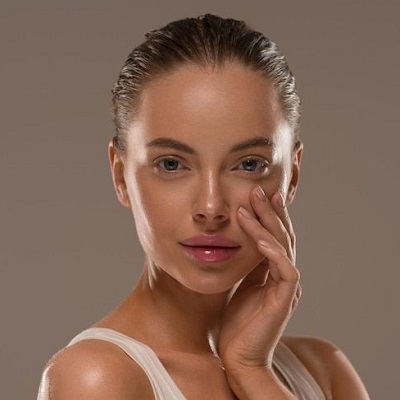
1. Understanding How Botox Injections Work
Botox is a purified form of botulinum toxin type A, a substance used in carefully controlled amounts for cosmetic and medical purposes. In cosmetic treatments, it works by temporarily reducing the activity of specific muscles responsible for creating expression-related wrinkles.
Facial expressions involve repeated muscle contractions. Over time, these movements can contribute to visible lines, particularly around the forehead, between the eyebrows, and near the outer corners of the eyes. Initially, these lines may only appear when a person smiles, frowns, or raises their eyebrows. However, with ageing, some expression lines can become visible even when the face is at rest.
Botox works by temporarily blocking the nerve signals that trigger muscle contractions in the treated areas. As the targeted muscles relax, the overlying skin can appear smoother, making certain wrinkles less noticeable.
The treatment does not remove the skin’s natural ageing process, nor does it replace lost collagen or restore facial volume. Instead, it addresses specific muscle movements that contribute to dynamic wrinkles.
2. Can Botox Create a Naturally Younger Appearance?
Botox can contribute to a younger-looking appearance when the treatment is carefully planned and performed with natural facial proportions in mind. The most noticeable improvements generally involve expression lines that develop through repeated muscle movements.
Rather than producing an entirely different appearance, appropriately administered Botox aims to soften facial features and create a more rested look.
Several factors contribute to natural-looking results:
- Balanced muscle relaxation: Treating selected muscles without unnecessarily affecting surrounding facial movements helps maintain natural expressions.
- Individualised treatment: Facial anatomy, muscle strength, skin condition, and aesthetic preferences differ from person to person.
- Conservative application: A gradual approach can help avoid an overly frozen or unnatural appearance.
- Appropriate treatment areas: Focusing on specific wrinkles rather than treating the entire face unnecessarily can support balanced results.
- Realistic expectations: Botox can soften certain wrinkles, but it cannot eliminate every sign of ageing.
A natural-looking result should allow the face to retain its personality and expressiveness. Smiling, talking, and other everyday expressions should still feel familiar, although movement in the treated muscles may be reduced.
3. Which Facial Areas Can Botox Improve?
Botox is commonly used to address dynamic wrinkles in several areas of the face. The suitability of each treatment area depends on facial anatomy, muscle activity, and individual goals.
Forehead Lines
Horizontal forehead lines often develop through repeated eyebrow movements. These lines may become more noticeable when raising the eyebrows or expressing surprise. Botox can relax selected forehead muscles, helping soften the appearance of these wrinkles.
Frown Lines Between the Eyebrows
Vertical lines between the eyebrows, sometimes called glabellar lines, can develop through repeated frowning or concentrating. These lines may create an unintentionally tired, stressed, or serious appearance. Botox can reduce the muscle activity responsible for these expressions and soften the visible creases.
Crow’s Feet
Crow’s feet are fine lines that appear around the outer corners of the eyes, particularly when smiling or squinting. Carefully administered Botox can relax the muscles responsible for these lines, helping the surrounding skin appear smoother.
Bunny Lines
Bunny lines are small wrinkles that appear along the sides of the nose when certain facial expressions are made. In selected cases, Botox may help reduce their appearance.
Other Selected Facial Areas
Depending on individual anatomy and treatment suitability, Botox may also be considered for certain chin dimpling, downturned mouth corners, or other expression-related concerns. These applications require particular attention to facial muscle balance.
Not every wrinkle responds equally well to Botox. Lines caused mainly by sun damage, skin laxity, or loss of facial volume may require a different treatment approach.
4. What Makes Botox Results Look Natural Rather Than Artificial?
The difference between a refreshed appearance and an unnatural result often comes down to treatment planning, appropriate dosing, and an understanding of facial anatomy.
A natural-looking outcome depends on maintaining the balance between reducing excessive muscle activity and preserving the movements that make facial expressions look authentic.
Several important considerations help support this balance.
Personalised Assessment
Every face has different proportions, muscle strengths, and patterns of movement. A treatment approach that works well for one individual may not be appropriate for another. An assessment helps identify which muscles contribute to the visible wrinkles and whether Botox is suitable.
Conservative Treatment Approach
Using an appropriate amount of Botox is essential. Excessive muscle relaxation can sometimes lead to reduced facial expression or an appearance that feels less natural. A carefully selected dose helps achieve the intended improvement while considering normal muscle function.
Understanding Facial Symmetry
Facial muscles do not always have identical strength on both sides. Treatment planning should consider these natural differences to support balanced results.
Allowing Time for Results
Botox does not usually produce an immediate cosmetic change. Initial effects may become noticeable within three to five days, while fuller results generally develop over approximately 10 to 14 days. This gradual process allows the appearance to change progressively rather than suddenly.
Ultimately, the best outcome is one that makes the face look refreshed without making the treatment itself obvious.
5. How Long Do Botox Results Last and What Should Be Expected?
Botox is a temporary treatment, meaning its effects gradually wear off as normal communication between nerves and muscles returns.
For many cosmetic patients, results last approximately three to four months. However, the duration can vary depending on several factors, including:
- The treatment area and amount administered.
- Individual muscle strength and activity.
- The body’s response to the treatment.
- Previous Botox treatment history.
- Individual differences in metabolism.
As the effects gradually decrease, treated muscles begin to regain their usual activity. Expression lines may then become more noticeable again.
Some individuals choose to repeat treatment to maintain their preferred appearance. However, repeat sessions should be based on individual suitability and professional recommendations rather than an unnecessarily frequent schedule.
After treatment, mild redness, swelling, tenderness, or small bruises may occur around the injection sites. These effects are generally temporary.
Following aftercare instructions is important. Individuals are commonly advised to avoid rubbing or massaging treated areas and to follow specific guidance regarding strenuous activity and other post-treatment precautions.
6. Is Botox Safe, and Who Is a Suitable Candidate?
Botox has an established history of cosmetic and medical use when administered by appropriately qualified professionals using approved products and techniques. Nevertheless, like other medical procedures, it carries potential risks and is not suitable for everyone.
Common temporary side effects include:
- Mild swelling or redness at the injection site.
- Minor bruising.
- Temporary headache.
- Local tenderness.
- Temporary weakness in nearby muscles.
- Eyelid or eyebrow drooping in some cases.
Rarely, more serious effects can occur. Difficulty swallowing, speaking, or breathing, or generalised muscle weakness, requires immediate medical attention.
A suitable candidate is generally an adult who wants to reduce the appearance of dynamic wrinkles and has realistic expectations about what the treatment can achieve.
However, Botox may not be appropriate for individuals with certain neurological or neuromuscular conditions, allergies to treatment ingredients, or infections at the proposed injection sites. Individuals who are pregnant or breastfeeding should discuss the treatment with an appropriate healthcare professional, as cosmetic Botox is generally avoided during these periods.
A thorough consultation should include a review of medical history, current medications, allergies, facial anatomy, and personal expectations. The treatment should only be performed by a suitably qualified and experienced healthcare professional.
Final Thoughts
Botox can help people achieve a naturally younger-looking appearance by softening expression-related wrinkles and creating smoother-looking skin. Its main advantage is that it offers a non-surgical approach to addressing specific signs of facial ageing without requiring extensive recovery.
However, natural-looking results depend on more than the treatment itself. Appropriate patient selection, individualised planning, careful dosing, and realistic expectations all play important roles.
Botox does not stop ageing or eliminate every wrinkle, but it can be a useful option for individuals who want to maintain a refreshed appearance while preserving their natural facial expressions. Understanding the treatment, its limitations, and its potential risks allows individuals to make informed decisions about their cosmetic care.
Frequently Asked Questions (FAQs)
1. Can Botox make someone look younger naturally?
Yes. Botox can soften expression-related wrinkles, particularly on the forehead, between the eyebrows, and around the eyes. When administered appropriately, it can create a refreshed appearance while maintaining natural facial features.
2. How quickly do Botox injections show results?
Initial improvements may become noticeable within three to five days. The full cosmetic effect generally develops within 10 to 14 days, depending on the individual and treatment area.
3. How long do Botox results usually last?
Results commonly last around three to four months. However, individual factors such as muscle activity, treatment area, and personal response can influence how long the effects remain visible.
4. Does Botox make the face look frozen?
Not necessarily. A frozen appearance can occur when treatment produces excessive muscle relaxation. Appropriate dosing and personalised treatment planning help preserve natural facial expressions while reducing unwanted wrinkles.
5. Is there any downtime after Botox injections?
Botox generally involves minimal downtime, and many individuals return to their usual daily activities shortly afterwards. Temporary redness, swelling, or bruising may occur. Specific aftercare instructions should always be followed.
6. Can Botox prevent wrinkles from becoming deeper?
Botox may help reduce the repeated muscle movements that contribute to dynamic wrinkles. This can potentially slow the development of certain expression lines, although it cannot prevent all forms of skin ageing or replace appropriate skincare and sun protection.
Read More About Botox Injections: https://my-website-a90f2y.webnode.page/l/what-to-expect-during-your-first-botox-injections-appointment/