
 taha421


Treating delicate areas involves more than reducing visible fullness. Surgeons must preserve natural body proportions, avoid irregular contours, and consider how the skin may respond after fat removal. Liposuction in Riyadh involves an individualized assessment of the target area, skin elasticity, fat thickness, and general health. Understanding these considerations helps patients develop realistic expectations about the procedure and its potential results.
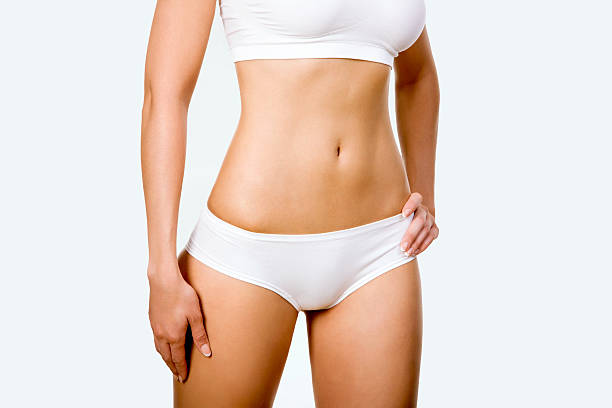
Why Delicate Areas Require Special Attention
Some body regions have thinner skin, uneven fat distribution, or less padding over underlying structures. These characteristics can make contour changes more noticeable if fat is removed unevenly. For example, the inner thighs and areas around the knees may require particularly controlled treatment because small differences in fat removal can affect the overall appearance.
Surgeons also consider the relationship between the treatment area and nearby body regions. Removing fat from one section without considering surrounding contours may create an imbalance. The objective is to achieve a smoother transition rather than an overly reduced or artificial appearance.
How Surgeons Assess the Treatment Area
Before surgery, the surgeon examines the area to understand its structure and identify the source of unwanted fullness. This assessment may include evaluating fat thickness, skin quality, existing asymmetry, and the patient’s overall body proportions.
Skin Elasticity
Skin elasticity affects how well the skin may adapt after fat removal. Individuals with good elasticity may experience more effective skin retraction, while those with loose or less elastic skin may have visible laxity after treatment. In some cases, another procedure may be more appropriate than liposuction alone.
Fat Distribution and Thickness
Surgeons assess whether the fullness comes from superficial fat beneath the skin or another structural concern. The amount of removable fat varies between individuals. Treatment planning focuses on the specific deposits that can be safely addressed without compromising the natural contour.
Nearby Anatomical Structures
Delicate regions may contain important nerves, blood vessels, and other structures that require protection. Surgeons use their anatomical knowledge and controlled instrument movements to work within the appropriate tissue layer and reduce the risk of injury.
Techniques Used for Greater Control
Liposuction techniques may differ depending on the treatment area, the amount of fat involved, and the surgeon’s assessment. Traditional suction-assisted liposuction uses a cannula to loosen and remove fat. Other methods may involve specialized equipment designed to assist fat removal.
Controlled Cannula Movement
The cannula is moved carefully through the targeted fat layer. Surgeons use controlled movements and pay attention to the depth and distribution of fat removal. This helps reduce the likelihood of removing too much fat from one location.
Small, Strategically Placed Incisions
Incisions are planned according to the area being treated and the surgical technique. Their placement allows access to the targeted tissue while considering visibility and the direction of treatment. Incision locations and sizes vary according to individual needs.
Gradual Fat Removal
Rather than focusing on removing a large amount of fat from one small region, surgeons aim for balanced reduction across the planned treatment area. Gradual removal allows them to assess contour changes and preserve smooth transitions between surrounding areas.
Delicate Areas That May Require Careful Treatment
Inner Thighs
The inner thighs can have softer tissue and variable skin elasticity. Removing too much fat may contribute to loose skin or uneven contours. Surgeons assess the amount of fat present and whether the skin is likely to adapt after treatment.
Upper Arms
The upper arms may develop localized fullness that affects their outline. However, skin laxity can influence the final appearance. Liposuction may be suitable when excess fat is the primary concern and skin quality is adequate.
Knees
Fat deposits around the inner knee can affect the transition between the thigh and lower leg. Because this is a relatively small treatment area, careful planning and conservative fat removal are important for maintaining a natural appearance.
Abdomen and Flanks
The abdomen and flanks require attention to symmetry and the relationship between the front and sides of the torso. Surgeons consider the overall waistline rather than treating isolated deposits without considering the surrounding contours.
How Surgeons Help Reduce the Risk of Uneven Results
A key part of surgical planning is maintaining consistent fat removal throughout the treatment area. Surgeons assess the body from multiple angles and consider how the treated region will look in relation to nearby areas. They may use preoperative markings to identify treatment boundaries and guide the procedure.
Appropriate patient selection is equally important. Liposuction cannot correct every cause of body fullness, and it does not replace weight management. It is also not designed to remove visceral fat or significantly tighten loose skin. Liposuction in Riyadh should therefore begin with a detailed consultation to establish whether the procedure matches the patient’s concerns and expectations.
Recovery and Postoperative Care
After surgery, patients may experience swelling, bruising, tenderness, and temporary changes in sensation. These effects generally improve over time, although recovery varies depending on the treatment area and extent of surgery.
Surgeons may recommend compression garments to support the treated region and help manage swelling. Patients should follow instructions about wound care, walking, exercise, and follow-up visits. Strenuous activities should be resumed only when the surgeon confirms that it is appropriate. Contacting the medical team about unusual pain, increasing redness, fever, or other concerning symptoms is important.
Book a Consultation at Royal Clinic Saudi
Choosing an appropriate treatment approach begins with understanding your body-contouring goals and medical needs. Royal Clinic Saudi (عيادات رويال كلينك) can help you explore whether liposuction is suitable for your concerns, explain the treatment process, and discuss the considerations involved in treating delicate areas.
Frequently Asked Questions
1. Why do delicate areas require special care during liposuction?
These areas may have thinner skin, variable fat distribution, and nearby anatomical structures that require careful treatment.
2. Can liposuction improve the appearance of the inner thighs and arms?
It may reduce localized fat in these areas when the patient is suitable and skin quality is adequate.
3. How do surgeons help prevent uneven contours?
They assess body proportions, plan treatment boundaries, and remove fat gradually using controlled techniques.
4. Does liposuction tighten loose skin?
Liposuction primarily removes fat. Significant skin laxity may require a different or additional treatment approach.