
 Enfield Clinic Oman


Understanding restaurant menus is an important part of enjoying the diverse food culture of Saudi Arabia. The country’s dining scene combines traditional Arabian dishes, regional specialties, international cuisines, and modern food trends. For visitors, residents, and families exploring new dining options, knowing how menus are organized, which ingredients are commonly used, and how meals are prepared can make choosing a suitable restaurant much easier.
A Restaurant in Saudi Arabia may offer anything from traditional rice and meat platters to grilled dishes, fresh salads, vegetarian meals, and contemporary desserts. Some establishments focus on regional Saudi cuisine, while others specialize in Middle Eastern, Asian, European, or international food. As a result, menus can vary significantly depending on the restaurant’s style, location, and target customers.
Restaurant menus also provide useful information for people who have particular dietary preferences or health-related food requirements. Understanding portion sizes, cooking methods, allergens, and nutritional content can help diners make informed decisions without missing out on the country’s culinary experiences.
Whether someone is planning a family meal, looking for healthier dining choices, or visiting Saudi Arabia for the first time, learning how to read restaurant menus can improve the overall dining experience. A little preparation helps diners choose meals that match their tastes, cultural preferences, and individual needs.
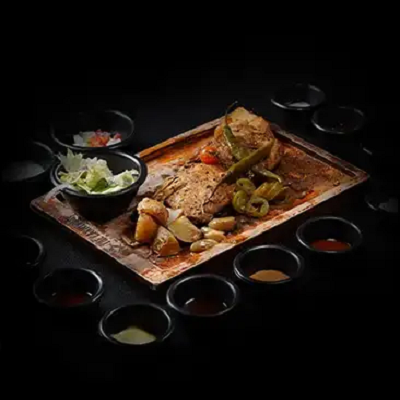
1. Understanding Traditional Saudi Restaurant Menus
Traditional Saudi restaurant menus often feature dishes prepared with rice, meat, wheat, vegetables, and aromatic spices. These ingredients reflect the country’s regional food traditions and the importance of hospitality in Saudi culture.
Kabsa is one of the most recognizable dishes on many traditional menus. It usually consists of seasoned rice served with chicken or lamb and may include spices such as cardamom, cinnamon, cloves, and dried lime. Mandi is another popular option, known for its tender meat and fragrant rice, often prepared using slow-cooking techniques.
Other traditional dishes may include jareesh, a comforting preparation made with crushed wheat, and saleeg, a creamy rice dish commonly associated with the Hejaz region. Grilled kebabs, roasted chicken, soups, and flatbreads may also appear on menus, depending on the establishment.
Traditional menus frequently offer dishes designed for sharing. Large platters may be suitable for families or groups, allowing everyone to sample different flavors. However, portion sizes can be generous, so diners should consider how much food they actually need.
For first-time visitors, asking restaurant staff about a dish’s main ingredients, spice level, and serving size can be helpful. Some dishes have several regional variations, and the same name may refer to slightly different recipes at different establishments.
Understanding these menu basics allows diners to explore Saudi food with greater confidence. It also helps them identify dishes that suit their preferences, whether they enjoy richly seasoned meat, mild rice dishes, or simple vegetable-based meals.
2. How to Read Menu Descriptions and Identify Ingredients
Restaurant menus do more than list food choices. They often describe ingredients, cooking techniques, sauces, and serving styles. Learning to interpret these descriptions helps diners select dishes that meet their expectations.
For example, words such as grilled, roasted, baked, steamed, fried, and slow-cooked describe different preparation methods. Grilled chicken may be cooked over direct heat, while roasted chicken is generally prepared in an oven. Fried dishes may absorb more oil, depending on the cooking technique and the food itself.
Descriptions such as creamy, buttery, crispy, or rich can indicate the presence of ingredients that increase the fat content of a meal. Terms such as spicy, smoky, tangy, and aromatic describe flavor rather than nutritional value.
Ingredient lists are especially important for people with allergies or dietary restrictions. Common ingredients that deserve attention include:
- Dairy products: Milk, cream, cheese, butter, and yogurt may appear in sauces, desserts, and rice dishes.
- Wheat and gluten: Bread, pastries, pasta, and some traditional grain dishes may contain wheat.
- Nuts and seeds: Almonds, sesame, tahini, and other ingredients may be used in desserts, dips, and sauces.
- Eggs: Eggs may be included in pastries, batters, sauces, and breakfast dishes.
- Animal-based ingredients: Meat stocks, gelatin, and certain sauces may contain ingredients that are not immediately obvious from the dish’s name.
When a menu does not provide enough information, diners can ask staff for clarification. This is particularly important for severe food allergies, where cross-contact during food preparation may create additional risks.
People with lactose intolerance, gluten-related conditions, or other food sensitivities should avoid assuming that a dish is suitable simply because it appears simple. For example, a rice dish may contain butter or broth, and a salad dressing may include dairy or other unexpected ingredients.
A restaurant in Saudi Arabia that clearly explains its menu can make dining more comfortable for customers with different dietary requirements.
3. Healthy Food Choices on Saudi Restaurant Menus
Many people want to enjoy restaurant meals while maintaining a balanced diet. Fortunately, menus in Saudi Arabia can include a variety of options that support different nutritional goals.
Grilled chicken, lean meat, fish where available, vegetable dishes, fresh salads, beans, and hummus can contribute protein, fiber, vitamins, and minerals. Rice and traditional breads provide carbohydrates, which supply energy. The key is to consider how these foods fit together rather than labeling an entire cuisine as healthy or unhealthy.
A balanced meal often includes a source of protein, a moderate portion of carbohydrates, and vegetables or other fiber-rich foods. For example, a diner might choose grilled chicken with rice and salad instead of a large platter containing several rich side dishes.
Preparation methods can also make a difference. Grilled or baked foods may require less added oil than deep-fried alternatives, although marinades and sauces can still contribute substantial fat or sodium. Similarly, a salad can be a nutritious choice, but heavy dressings, fried toppings, and large quantities of cheese may change its nutritional profile.
A few practical strategies can help diners make informed choices:
- Look for grilled, roasted, steamed, or baked options.
- Include vegetables or salad where available.
- Request dressings and sauces separately when possible.
- Choose portions that match personal hunger and nutritional needs.
- Consider water or unsweetened beverages instead of sugary drinks.
- Ask whether salt, butter, or oil can be reduced during preparation.
People managing diabetes may need to pay attention to rice, bread, sweetened beverages, and desserts because these foods can influence blood glucose levels. Individuals managing high blood pressure may benefit from asking about added salt, salty sauces, and processed ingredients.
Those with specific medical dietary needs should follow advice appropriate to their circumstances. A restaurant menu can help identify options, but it cannot replace individualized dietary guidance when a health condition requires it.
The best approach is to enjoy traditional flavors while making choices that support personal well-being.
4. Vegetarian, Vegan, and Special Dietary Options
Dietary preferences vary widely, and not every diner eats meat or animal products. Understanding how to identify suitable dishes can make visiting a restaurant in Saudi Arabia easier for vegetarians, vegans, and people following other specific eating patterns.
Vegetarian-friendly dishes may include hummus, vegetable salads, foul made from fava beans, vegetable soups, and selected rice or grain dishes. Some restaurants also offer falafel, vegetable-based appetizers, and meat-free versions of popular international meals.
However, a dish that appears vegetarian may still contain chicken broth, meat stock, fish-based seasoning, or animal-derived ingredients. Checking with restaurant staff is therefore important.
Vegan diners need to look beyond the absence of meat. Milk, butter, cheese, yogurt, honey, and eggs may be used in otherwise plant-based-looking dishes. Bread, sauces, and desserts can also contain unexpected animal-derived ingredients.
People avoiding gluten should check the ingredients in breads, pastries, wheat-based dishes, and sauces. Rice and some vegetable dishes may be naturally gluten-free, but preparation methods and cross-contact can affect their suitability.
Restaurants may also accommodate requests for smaller portions, less oil, mild seasoning, or alternative side dishes. Availability depends on the establishment, and not every request can be fulfilled.
Clear communication is especially valuable when dietary choices relate to a medical concern rather than personal preference. For example, a person with celiac disease requires careful avoidance of gluten, while someone with a serious food allergy may need confirmation of both ingredients and kitchen handling practices.
Rather than relying on assumptions, diners should explain their requirements in simple terms and ask specific questions. This makes it easier for staff to provide accurate information and reduces the likelihood of ordering an unsuitable meal.
5. Understanding Menu Prices, Portion Sizes, and Dining Customs
Restaurant menus in Saudi Arabia vary according to cuisine, location, service style, and the ingredients used. A casual eatery may offer individual meals and quick snacks, while a family restaurant may specialize in large platters intended for several people. Upscale establishments may provide more elaborate menus and table service.
Menu prices generally reflect factors such as portion size, the type of meat or seafood, preparation methods, and the restaurant’s overall dining experience. When comparing options, diners can look at the full meal rather than focusing on the main dish alone. Side dishes, beverages, sauces, and desserts may add to the final bill.
Portion sizes are particularly important when ordering traditional Saudi food. A large rice platter with meat may serve multiple people, even if the menu initially appears to present it as a single item. Asking how many people a dish serves can help prevent unnecessary ordering.
Sharing food is common in many traditional dining settings and can provide an opportunity to sample different dishes. However, diners should follow the restaurant’s serving practices and use clean serving utensils when sharing food.
Saudi dining customs also reflect the country’s emphasis on hospitality. Dates and Arabic coffee may be served as part of a traditional welcome, while family meals can involve several dishes placed together for everyone to enjoy.
Restaurants may differ in seating arrangements, including family-oriented spaces, private dining areas, and more casual settings. Customers can check the available arrangements before visiting if privacy, accessibility, or group seating is important.
Menus may use Arabic, English, or both languages. Some traditional dishes may have transliterated names, so asking staff to explain unfamiliar terms is perfectly reasonable. Photographs can also help diners understand how a dish is presented, although they may not reveal every ingredient or the actual serving size.
A thoughtful review of the menu helps customers select a meal that suits their budget, appetite, dietary needs, and dining occasion.
6. Food Safety, Allergens, and Questions to Ask Before Ordering
Food safety is an important consideration whenever someone eats outside the home. While menus help diners understand what is available, restaurant hygiene and proper food handling also influence the overall experience.
Customers can look for clean dining areas, appropriate food storage, and food served at suitable temperatures. Hot meals should generally be served hot, while foods that require refrigeration should be kept properly chilled. Meat and seafood should be cooked appropriately, and raw ingredients should be handled separately from ready-to-eat foods.
Diners can also ask a few simple questions before ordering:
- What are the main ingredients in this dish?
- Does the dish contain milk, eggs, wheat, nuts, or sesame?
- Is the meat grilled, roasted, or fried?
- Does the sauce contain added salt, sugar, or butter?
- Can the dish be prepared without a particular ingredient?
- Is there a risk of cross-contact with an allergen during preparation?
For individuals with food allergies, the last question can be particularly important. Removing an ingredient from a finished dish does not necessarily make it safe if the food has already come into contact with the allergen.
Food storage and leftovers also deserve attention. Perishable foods should not be left at room temperature for extended periods. If a diner takes leftover food home, it should be refrigerated promptly and reheated appropriately before consumption.
People with sensitive digestive systems may prefer to introduce unfamiliar foods gradually, especially when dishes contain rich sauces, unfamiliar spices, or large amounts of fat. This is a matter of personal tolerance rather than a reason to avoid traditional cuisine altogether.
Ultimately, choosing a restaurant involves balancing food preferences, nutritional needs, hygiene, and service quality. Reading the menu carefully and communicating clearly with staff can help customers enjoy a more comfortable and satisfying experience.
For anyone exploring local cuisine, understanding restaurant menus in Saudi Arabia provides a useful starting point for discovering traditional dishes, trying new flavors, and making informed food choices.
Frequently Asked Questions
1. What should customers look for when reading a restaurant menu in Saudi Arabia?
Customers should review the dish descriptions, main ingredients, cooking methods, portion sizes, and available side dishes. Anyone with dietary restrictions should also check for allergens, sauces, and hidden ingredients before ordering.
2. Are healthy meal options available at a restaurant in Saudi Arabia?
Yes. Many restaurants offer grilled meats, chicken, salads, vegetables, legumes, and other foods that can fit into a balanced diet. Portion sizes, added oils, sodium, and sauces should also be considered when selecting a meal.
3. How can someone identify food allergens on a Saudi restaurant menu?
Customers can review any available ingredient information and ask restaurant staff about common allergens such as milk, eggs, wheat, nuts, and sesame. People with severe allergies should also ask about cross-contact during food preparation.
4. Can vegetarians find suitable meals at restaurants in Saudi Arabia?
Many establishments offer hummus, foul, salads, vegetable dishes, and other meat-free options. However, diners should confirm whether broths, sauces, and other ingredients contain meat or animal products.
5. Are traditional Saudi restaurant portions usually large?
Some traditional dishes, particularly rice and meat platters, are served in generous portions and may be designed for sharing. Asking staff about serving sizes can help diners order an appropriate amount of food.
6. What is the best way to choose a restaurant in Saudi Arabia?
A suitable restaurant should offer food that matches the diner’s preferences, provide clear menu information, maintain appropriate hygiene standards, and accommodate reasonable dietary requirements where possible. Recent customer reviews and menu details can also help diners make an informed decision.