
 Enfield Clinic Oman


Breast augmentation is a popular cosmetic procedure for individuals who want to enhance breast volume while maintaining a balanced, natural-looking appearance. Rather than focusing only on increasing size, many people prefer results that complement their body proportions, suit their lifestyle, and feel consistent with their personal aesthetic goals. Achieving this outcome requires careful planning, appropriate implant selection, and a clear understanding of how individual anatomy influences the final result.
For those researching Breast Augmentation in Muscat, learning about implant types, surgical techniques, recovery, and realistic expectations can help make the decision-making process easier. Breast augmentation generally involves placing implants to increase breast volume or improve shape. However, the final appearance depends on several factors, including existing breast tissue, chest width, skin elasticity, implant dimensions, and the surgical approach.
A natural-looking result does not mean the same thing to everyone. Some individuals prefer subtle fullness, while others want a more noticeable enhancement that still complements their figure. Understanding the available options and discussing personal preferences with a qualified plastic surgeon can help establish a treatment plan that prioritises both appearance and safety.
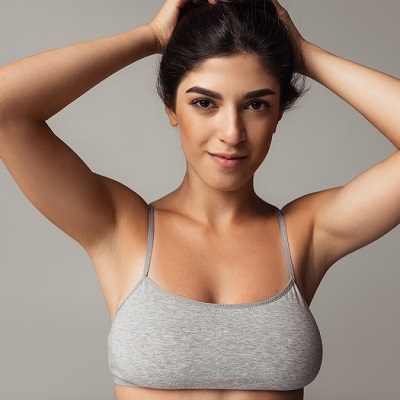
1. Understanding What Makes Breast Augmentation Look Natural
A natural-looking breast augmentation result usually involves a harmonious relationship between breast size, shape, chest width, and the rest of the body. The aim is to create an appearance that complements the individual’s existing anatomy rather than making the breasts appear disproportionate.
Several factors influence the final result.
Body proportions: The width of the chest, shoulder structure, torso length, and overall body shape affect how breast volume appears. An implant that looks balanced on one person may create a very different effect on another.
Existing breast tissue: Natural breast tissue contributes to the appearance and feel of augmented breasts. Individuals with more tissue may have greater coverage over the implant, while those with less tissue may be more likely to notice implant edges or contours.
Skin elasticity: Skin quality influences how the breasts accommodate an implant. Good elasticity may help the skin adapt to changes in volume, while stretched or less elastic skin can affect shape and support.
Breast symmetry: Many individuals naturally have slight differences in breast size, shape, or nipple position. A personalised surgical plan can account for these variations, although perfect symmetry cannot be guaranteed.
Desired fullness: Some people prefer a gentle increase in volume, while others want more pronounced cleavage or upper-breast fullness. Clear communication about these preferences helps guide implant selection.
For individuals considering Breast Augmentation in Muscat, the most useful starting point is to identify the desired change rather than selecting an implant based only on a particular cup size. This encourages a more individualised approach and supports realistic expectations.
2. Choosing the Right Implant Size, Shape, and Type
Implant selection is one of the most important parts of planning breast augmentation. A natural-looking result depends on more than choosing a small or moderate implant. Its dimensions, projection, material, and relationship to the individual’s existing tissue all contribute to the outcome.
Implant size and dimensions
Implant volume is commonly measured in cubic centimetres, or cc. However, volume alone does not determine how an implant will look. Two implants with the same volume can have different widths and projections, creating different results.
A qualified plastic surgeon will generally consider the breast base width, chest measurements, tissue thickness, and skin characteristics before recommending an implant. These measurements help determine whether the implant is likely to fit comfortably within the individual’s natural breast boundaries.
Choosing an implant that is too large for the available tissue may increase the likelihood of visible edges, stretching, discomfort, or an appearance that feels less balanced. On the other hand, an implant that is too small may not achieve the desired enhancement.
Implant shape and profile
Round implants can create fullness throughout the breast, particularly in the upper portion. Anatomical, or teardrop-shaped, implants are designed with a more tapered contour. The most appropriate shape depends on the desired result, anatomy, and implant options available.
Implant profile refers to how far an implant projects forward relative to its base width. A higher-profile implant may provide greater projection with a narrower base, while a lower-profile option may create a broader, less projecting appearance.
Neither shape nor profile guarantees a natural-looking outcome. The surgeon must consider the complete breast shape, tissue coverage, and individual preferences.
Silicone and saline implants
Silicone gel implants are filled with cohesive silicone gel and are often selected for their feel. Saline implants contain sterile salt water and have different characteristics, including how changes associated with rupture may become noticeable.
Each option has advantages and limitations. Implant availability, suitability, and monitoring requirements may vary, so the decision should be based on a thorough discussion of the risks and benefits.
When exploring Breast Augmentation in Muscat, individuals should ask how each implant option may affect breast contour, feel, incision planning, and long-term follow-up.
3. Surgical Techniques That Can Support a Natural Appearance
The surgical technique is another important factor in determining how breast augmentation looks and feels. Implant placement and incision location should be selected according to individual anatomy, the type of implant, and the surgeon’s clinical assessment.
Implant placement
Breast implants may be positioned beneath the breast tissue but above the chest muscle, or beneath the pectoral muscle. A dual-plane technique places part of the implant beneath the muscle while allowing the lower portion to sit beneath the breast tissue.
Placement beneath the breast tissue may be appropriate when sufficient natural tissue provides coverage. However, individuals with limited breast tissue may have a greater chance of visible implant edges.
Placement beneath the muscle can provide additional coverage over the upper implant in selected cases. It may also involve different recovery considerations and can cause implant movement when the chest muscles contract.
No single placement method is best for everyone. A personalised assessment helps determine which approach offers the most appropriate balance of appearance, comfort, and safety.
Incision location
Incisions may be made in locations such as the fold beneath the breast or around the edge of the areola. The choice depends on the implant, anatomy, surgical technique, and other clinical considerations.
All surgical incisions leave scars, although their appearance often improves with time. Following wound-care instructions and attending follow-up appointments can help support proper healing.
For people considering Breast Augmentation in Muscat, it is helpful to ask how the proposed incision and implant placement may affect scar visibility, breast sensation, and future breast imaging.
A natural-looking result depends on the overall surgical plan rather than one particular technique. Appropriate implant dimensions, careful placement, and realistic expectations all play important roles.
4. The Importance of Personalised Planning and Realistic Expectations
Personalised planning helps align the desired appearance with what can reasonably be achieved through surgery. During a consultation, the surgeon may assess breast measurements, tissue thickness, chest wall shape, skin elasticity, and any existing asymmetry.
The discussion should also explore the individual’s preferred degree of enhancement. Some may want a subtle change that is noticeable mainly through improved fullness, while others may prefer a more defined silhouette.
Photographs can help communicate aesthetic preferences, but another person’s result cannot reliably predict the outcome for someone else. Differences in anatomy, implant dimensions, surgical technique, and healing can lead to different results even when similar implants are used.
Temporary implant sizers or digital simulations may be available to support the discussion. These tools can help explain possible changes, but they cannot guarantee the final appearance.
It is also important to understand the difference between breast augmentation and a breast lift. Augmentation increases volume, while a breast lift addresses sagging by removing excess skin and repositioning breast tissue and, when appropriate, the nipple. Some individuals may benefit from discussing both procedures if their primary concern involves breast position as well as size.
For those researching Breast Augmentation in Muscat, a helpful consultation should include a review of alternatives, possible complications, recovery requirements, and the limitations of surgery. Individuals should feel comfortable asking questions, expressing concerns, and taking time to make a decision.
The goal is not to achieve an idealised or universal breast shape. It is to select an approach that reflects personal preferences while remaining appropriate for the individual’s anatomy and health.
5. Recovery, Safety, and Long-Term Breast Health
A natural-looking result depends partly on proper healing. Breast augmentation is a surgical procedure, and recovery varies according to the technique used, individual health, and the body’s response to surgery.
During the early recovery period, swelling, bruising, soreness, and tightness are common. The breasts may initially appear higher, firmer, or less settled than expected. Their appearance can change as swelling decreases and the tissues adjust over time.
Light daily activities may be possible relatively soon, but heavy lifting, strenuous exercise, and chest-focused workouts generally need to be restricted until the surgeon confirms that they can be resumed safely. Patients should follow their individual postoperative instructions rather than relying on a standard recovery timeline.
Potential complications include infection, bleeding, scarring, changes in breast or nipple sensation, asymmetry, implant displacement, and capsular contracture. Capsular contracture occurs when scar tissue around an implant becomes unusually firm and may change breast shape or cause discomfort.
Implants are not lifetime devices. Additional surgery may eventually be needed because of rupture, complications, changes in appearance, or personal preferences. Silicone implant rupture can occur without obvious symptoms, so recommended imaging and follow-up are important.
Future pregnancy, breastfeeding, significant weight changes, and natural ageing can also affect breast shape. Some individuals can breastfeed after augmentation, but this cannot be guaranteed, and the outcome may depend on the surgical approach and individual anatomy.
When considering Breast Augmentation in Muscat, individuals should verify the surgeon’s specialist qualifications, the safety standards of the surgical facility, and the arrangements for postoperative care. They should also understand the recommended implant monitoring schedule and the possibility of future procedures.
Prompt medical assessment is important if there is fever, worsening redness, unusual discharge, rapidly increasing swelling, or severe pain after surgery. Chest pain or difficulty breathing requires emergency medical attention.
6. How to Prepare for a Breast Augmentation Consultation in Muscat
A well-prepared consultation helps individuals understand their options and decide whether surgery aligns with their goals. It should be an opportunity to receive clear information rather than feel pressured to choose a particular implant or proceed immediately.
Before the appointment, individuals may wish to consider what they would like to change about their current breast shape. It can be useful to distinguish between wanting greater volume, improved symmetry, more upper-breast fullness, or a change in breast position.
Questions to discuss during the consultation include:
- Which implant dimensions are appropriate for the individual’s breast width and existing tissue?
- What are the advantages and limitations of the recommended implant type?
- Which placement technique is most suitable, and why?
- What degree of fullness can reasonably be expected?
- How may the surgery affect sensation, breastfeeding, scars, or future breast imaging?
- What are the main short-term and long-term risks?
- What recovery restrictions and follow-up appointments will be required?
- What is included in the overall treatment plan, and what additional costs could arise if future treatment becomes necessary?
Individuals should also disclose their medical history, current medications, allergies, smoking or nicotine use, and any previous breast procedures. These details can influence surgical planning and recovery.
A second opinion may be helpful if the proposed approach is unclear or if the individual feels uncertain about the recommendation. Non-surgical alternatives, such as supportive bras and professional bra fitting, may also be worth considering when the goal is a fuller appearance without permanent surgical changes.
Ultimately, Breast Augmentation in Muscat should be approached as a personal healthcare decision that combines aesthetic preferences with medical suitability. Careful planning, realistic expectations, and an understanding of long-term implant care can help individuals make a more informed choice.
Frequently Asked Questions
1. Can breast augmentation provide a natural-looking result?
Yes, breast augmentation can produce a natural-looking appearance when implant dimensions, placement, and surgical planning are appropriate for the individual’s anatomy. However, results vary, and no technique can guarantee a particular shape or degree of symmetry.
2. Which breast implants look the most natural?
Both silicone and saline implants can produce satisfactory results, depending on the individual’s anatomy and goals. Implant width, profile, shape, placement, and existing breast tissue are important factors. A qualified plastic surgeon can explain the available options and their limitations.
3. Does a smaller implant always look more natural?
No. A smaller implant is not automatically more natural-looking. The best choice depends on chest width, breast base measurements, tissue coverage, skin elasticity, and personal preferences. The implant should be appropriate for the individual’s anatomy rather than selected by volume alone.
4. How long does it take for breast implants to settle into their final appearance?
Swelling and changes in breast position can continue during the weeks and months following surgery. The timeline varies depending on the technique and individual healing. The surgeon can explain what changes are expected during recovery and when the result can be assessed more reliably.
5. Can breast augmentation correct uneven breasts?
Breast augmentation may improve some differences in breast volume, but it cannot guarantee perfect symmetry. Differences in chest wall shape, nipple position, and skin elasticity may require a customised approach, and some asymmetry may remain after surgery.
6. How can individuals explore breast augmentation in Muscat safely?
Individuals can begin with a consultation with a qualified plastic surgeon who has appropriate training and experience in breast procedures. They should discuss implant options, surgical techniques, risks, recovery, and long-term monitoring while checking that the surgical facility meets appropriate safety standards.
Read More About Breast Augmentation: https://my-website-a90f2y.webnode.page/l/breast-augmentation-incisions-which-options-are-available/