
 royalclinic


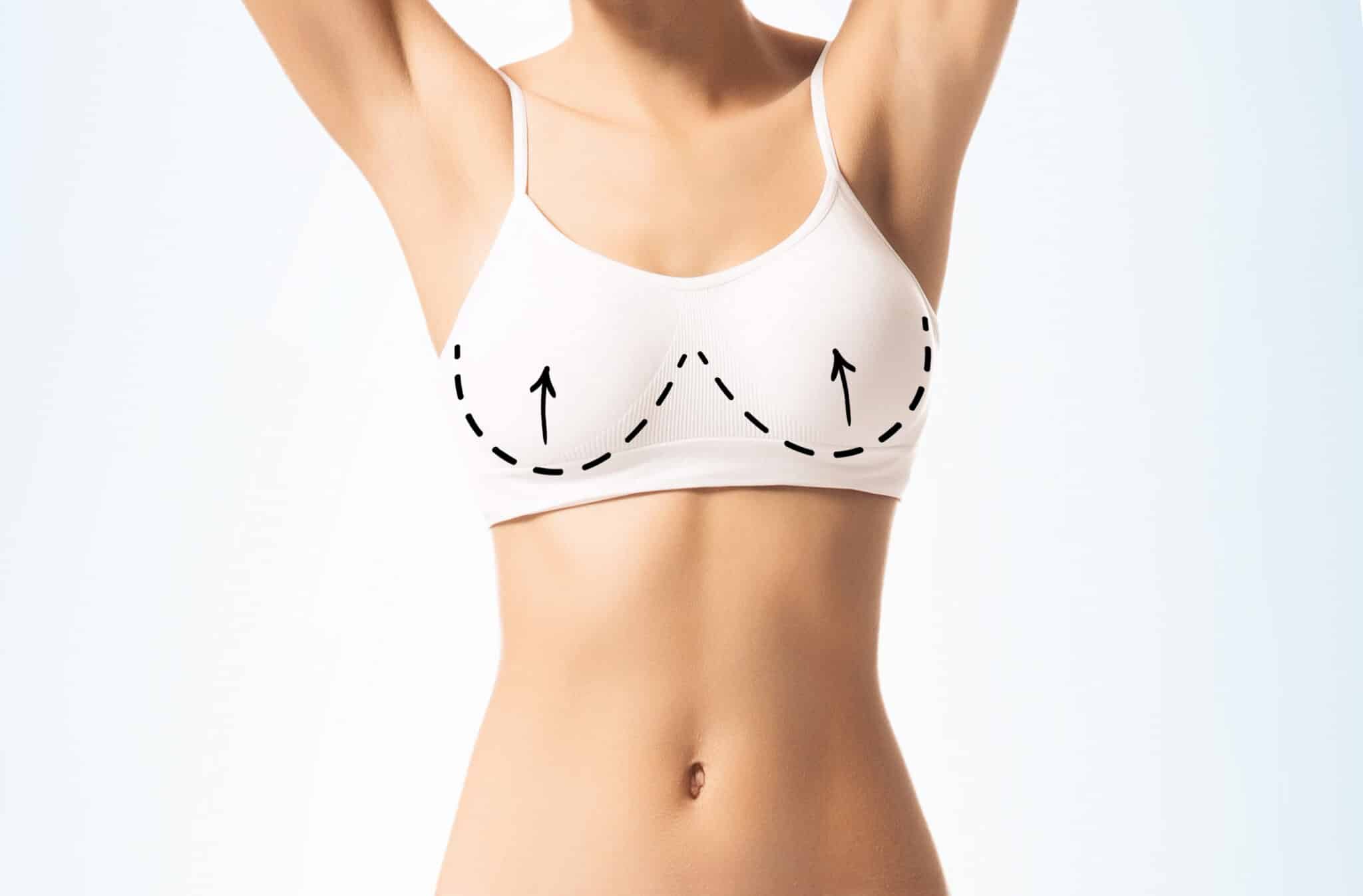
Changes in breast shape and position are a natural part of life. Factors such as pregnancy, breastfeeding, ageing, weight fluctuations, and reduced skin elasticity can gradually cause the breasts to lose firmness and begin to sag. These changes may affect body proportions and personal confidence, leading many women to explore cosmetic options. A Breast Lift in Dubai is a popular procedure designed to improve breast position, reshape existing tissue, and create a firmer, more youthful appearance. However, not every individual requires the same surgical approach. Understanding the different techniques can help women make informed decisions about their aesthetic goals and discover which option may be suitable for their needs.
Understanding Breast Lift Procedures
A breast lift, medically known as mastopexy, is a cosmetic surgical procedure that addresses breast sagging by removing excess skin and repositioning the breast tissue and nipple-areola complex. The primary objective is to improve breast shape, restore a more elevated position, and create balanced contours.
Different surgical techniques are available depending on the degree of sagging, skin elasticity, breast size, and desired outcome. Some approaches involve smaller incisions, while others require more extensive reshaping to achieve the intended results.
The most appropriate technique is determined through an individual assessment, considering both physical characteristics and personal expectations.
Different Types of Breast Lift Procedures
Crescent Breast Lift
A crescent breast lift is generally considered one of the least extensive techniques. It involves a small incision along the upper edge of the areola, through which a limited amount of skin can be removed.
This technique is typically considered for women experiencing very mild breast sagging who want a subtle improvement in nipple position. Since the incision is relatively small, the resulting scar is usually limited to the upper border of the areola.
However, this method offers limited lifting capacity and may not provide sufficient correction for moderate or significant sagging. It is generally selected when only a minor adjustment is required.
Periareolar Breast Lift
Also known as a donut lift, the periareolar technique involves an incision around the entire outer edge of the areola. A circular section of excess skin is removed, and the surrounding tissue is tightened to create a slightly elevated breast appearance.
One of the main characteristics of this method is that the incision follows the natural boundary of the areola, which can help make the resulting scar less noticeable once healed.
This approach may be suitable for individuals with mild to moderate sagging who want improved breast positioning without extensive incisions. It can also allow adjustments to the size of the areola when necessary.
However, its lifting ability is limited compared with more comprehensive techniques, making careful patient selection important.
Vertical Breast Lift
The vertical breast lift, commonly called a lollipop lift, is designed for individuals with moderate breast sagging. It involves two incisions: one around the areola and another extending vertically from the bottom of the areola to the natural breast crease.
This technique allows more extensive removal of excess skin and reshaping of the underlying breast tissue. It can create a more elevated contour while improving breast projection and overall symmetry.
The vertical approach provides greater lifting capability than crescent and periareolar techniques. It may be considered when the breasts require noticeable reshaping but do not need the extensive correction associated with an anchor lift.
Although the incision pattern is more extensive, it allows greater control over the final breast shape.
Anchor Breast Lift
An anchor breast lift, also known as an inverted-T lift, is generally used to address significant breast sagging. It involves three incisions: one around the areola, another extending vertically down to the breast crease, and a third following the natural breast fold.
This technique provides substantial access to the breast tissue and surrounding skin, allowing more extensive reshaping and removal of excess skin.
It may be recommended for women experiencing considerable changes in breast position, particularly after pregnancy, breastfeeding, or major weight loss.
The anchor technique offers greater flexibility in correcting breast shape and repositioning the nipple-areola complex. However, it produces more extensive scars than less invasive lifting approaches.
Breast Lift with Augmentation
Some women experience both breast sagging and a noticeable loss of breast volume. In these situations, a breast lift may be combined with breast augmentation.
This combined approach uses breast implants to increase volume while the lifting procedure removes excess skin and repositions the breast tissue and nipple. The objective is to improve both breast position and fullness.
It may be suitable for individuals who want a more elevated appearance alongside enhanced breast volume.
The choice of implant type, size, and placement depends on individual anatomy and aesthetic preferences. A thorough assessment is important to determine whether combining both procedures is appropriate.
Breast Lift with Fat Transfer
Another option involves combining a breast lift with fat transfer. This technique uses fat collected from another area of the body, such as the abdomen or thighs, which is processed before being transferred into the breasts.
The lifting procedure addresses loose skin and breast position, while fat transfer can provide additional volume and improve breast contours.
This approach may appeal to individuals who prefer using their own body fat rather than breast implants. However, the amount of volume enhancement is generally more limited, and some transferred fat may not survive permanently.
A detailed evaluation helps determine whether this combination can achieve the desired result.
How to Choose the Right Breast Lift Technique
Selecting the appropriate technique involves more than simply identifying the degree of breast sagging. Several factors influence the recommended surgical approach.
Degree of Breast Sagging
The extent of sagging is one of the most important considerations. Mild changes may be addressed through a crescent or periareolar approach, while moderate sagging may require a vertical technique. More significant sagging often requires an anchor lift.
Breast Size and Existing Volume
Natural breast volume plays an important role in treatment planning. Women who already have sufficient volume may benefit from a lifting procedure alone, whereas those experiencing volume loss may consider combining the lift with augmentation or fat transfer.
Skin Elasticity
Skin quality influences how well the breasts maintain their new shape. Reduced elasticity and excess skin may require a more extensive technique to achieve the desired contour.
Nipple and Areola Position
The position of the nipple in relation to the breast crease helps determine the extent of correction required. Some techniques provide more flexibility in repositioning the nipple and adjusting the areola.
Personal Aesthetic Goals
Every individual has different expectations regarding breast shape, projection, symmetry, and fullness. Discussing these preferences during consultation helps establish realistic goals and an appropriate treatment plan.
What to Expect During Breast Lift Surgery
The procedure generally begins with a detailed consultation and physical assessment. The selected technique, incision pattern, and expected outcome are discussed before surgery.
During the procedure, excess skin is removed, breast tissue is reshaped, and the nipple-areola complex is repositioned when necessary. The remaining skin is then brought together to create a more elevated breast contour.
The procedure is performed under anaesthesia, and its duration depends on the surgical technique and whether additional procedures are combined with the lift.
Following surgery, temporary swelling, bruising, and discomfort may occur. Recovery varies between individuals, and patients should follow their post-operative instructions carefully. Wearing recommended support garments and attending follow-up appointments can help support the healing process.
Benefits of Choosing the Appropriate Breast Lift Procedure
Selecting a suitable technique can offer several aesthetic benefits. These include improved breast positioning, a firmer appearance, better breast symmetry, and more balanced body proportions.
A carefully planned procedure can also improve nipple positioning and address excess skin that contributes to a drooping appearance.
Another important benefit is the ability to personalise treatment according to individual anatomy. Rather than applying the same surgical method to everyone, the approach can be tailored to the patient’s specific concerns and desired results.
Frequently Asked Questions
How Many Types of Breast Lift Procedures Are Available?
Several techniques are available, including crescent, periareolar, vertical, and anchor lifts. Breast lifts can also be combined with augmentation or fat transfer when additional volume enhancement is desired.
Which Breast Lift Technique Is Suitable for Moderate Sagging?
A vertical breast lift is commonly considered for moderate sagging because it allows greater skin removal and breast reshaping than smaller-incision techniques. However, suitability depends on individual anatomy.
Does a Breast Lift Increase Breast Size?
A breast lift primarily improves breast position and shape rather than increasing volume. Women seeking additional fullness may consider combining the procedure with implants or fat transfer.
Are Breast Lift Scars Permanent?
Scars are a normal part of surgical healing and are generally permanent. However, they usually become less noticeable over time. Their appearance depends on the technique, skin characteristics, and individual healing process.
How Long Do Breast Lift Results Last?
Results can last for many years, although natural ageing, pregnancy, weight changes, and skin elasticity can influence long-term breast shape. Maintaining a stable weight and following professional guidance may help preserve the outcome.
Can a Breast Lift Correct Uneven Breasts?
A breast lift can improve breast symmetry by adjusting tissue shape, skin, and nipple positioning. The extent of correction depends on the underlying differences between the breasts.
Is a Breast Lift Suitable After Pregnancy?
Women who experience breast sagging or changes in breast shape after pregnancy and breastfeeding may consider this procedure. It is generally advisable to wait until breastfeeding has ended and breast size has stabilised before undergoing surgery.
Book Us
Choosing the right approach to Mastopexy begins with understanding individual needs, anatomical characteristics, and desired aesthetic outcomes. Enfield Royal Clinic Dubai offers personalised aesthetic consultations to help individuals explore suitable breast enhancement options and understand the available surgical techniques. Whether the goal is to improve breast positioning, restore firmness, or achieve more balanced contours, a carefully planned treatment approach can help support natural-looking results and greater confidence.