
 dr prashant kadam


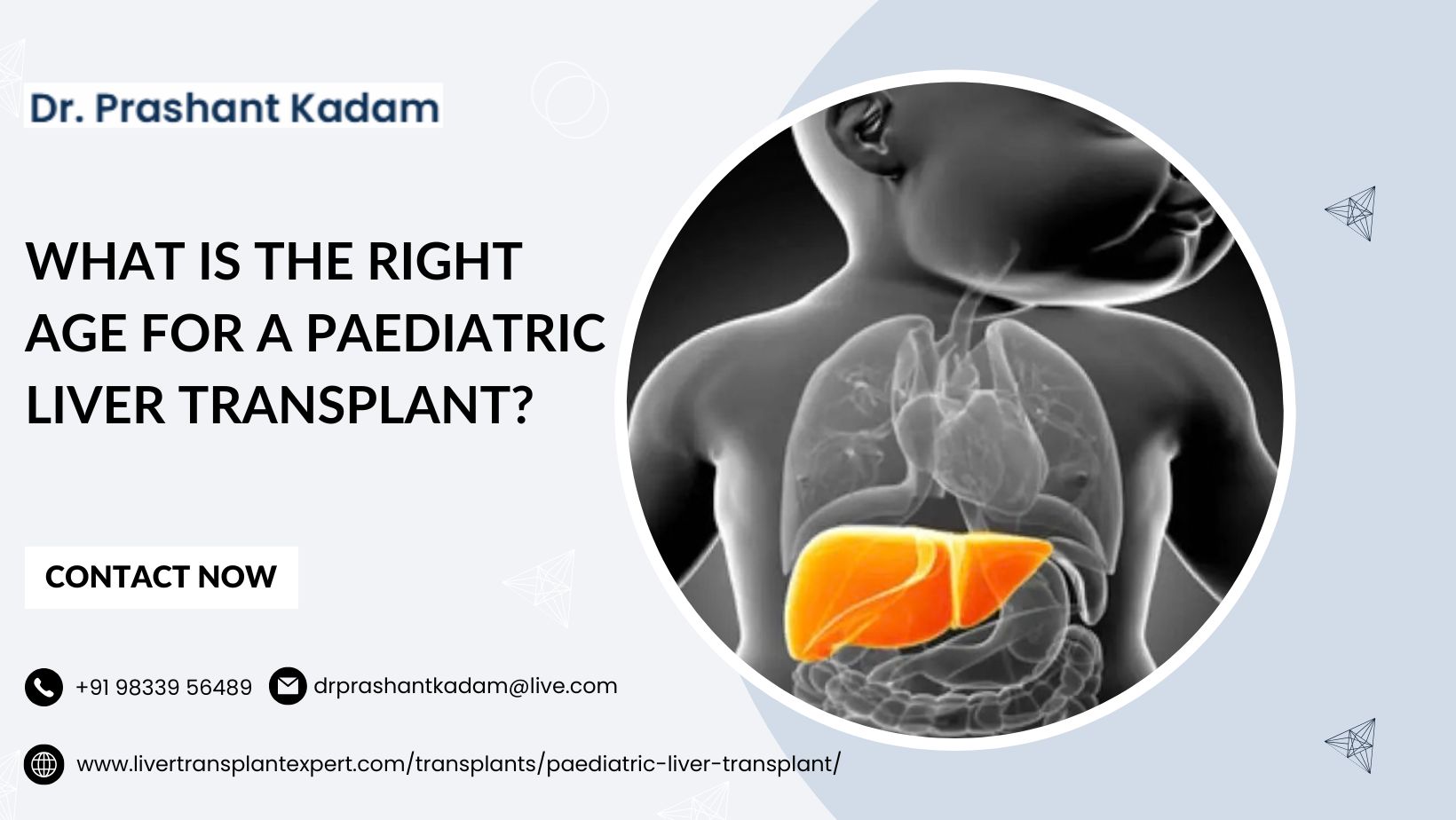 Parents often wonder whether there is a specific age at which a child should undergo a liver transplant. The answer is that there is no fixed age. The decision depends on the child’s medical condition, the severity of liver disease, growth, nutritional status, and overall health rather than age alone. When Paediatric Liver Transplant in India is recommended, the goal is to perform the procedure at the right time—before irreversible complications develop while ensuring the child is medically prepared for surgery.
Modern transplant techniques and specialised paediatric care have made liver transplantation possible for infants, young children, and adolescents who meet the appropriate clinical criteria.
Does Age Determine the Need for a Liver Transplant?
A paediatric liver transplant is considered when the liver can no longer perform its essential functions or when liver disease continues to progress despite medical treatment. Specialists evaluate each child individually, as children of different ages may require transplantation for different liver conditions.
Rather than focusing only on age, transplant teams assess the child’s liver function, disease progression, growth, development, nutritional status, and overall health before making treatment recommendations.
Common Age Groups That May Need Liver Transplantation
Infants
Some babies are born with serious liver disorders such as biliary atresia. If surgery and medical treatment cannot restore normal liver function, transplantation may become necessary during infancy.
Young Children
Children between one and five years of age may require transplantation because of chronic liver diseases, inherited metabolic disorders, or complications that affect growth and nutrition.
Older Children and Adolescents
School-aged children and teenagers may develop liver failure due to autoimmune liver disease, metabolic conditions, genetic disorders, or acute liver failure. The timing of transplantation depends on disease severity rather than chronological age.
When Is a Paediatric Liver Transplant Needed?
The decision for a Paediatric Liver Transplant Needed is based on established clinical guidelines and detailed medical evaluation. Doctors may recommend transplantation when a child experiences:
- End-stage liver disease
- Acute liver failure
- Progressive liver damage despite treatment
- Poor growth caused by chronic liver disease
- Recurrent complications such as severe infections or portal hypertension
- Certain inherited metabolic liver disorders
The primary objective is to perform transplantation before liver disease causes life-threatening complications or significantly affects a child’s development.
Factors That Influence the Right Timing
Several medical factors help determine the ideal time for transplantation.
Severity of Liver Disease
Doctors monitor liver function through blood tests, imaging studies, and clinical assessment. Progressive liver failure often indicates the need for timely transplantation.
Growth and Nutrition
Poor weight gain, delayed development, and nutritional deficiencies may suggest worsening liver disease. Early transplantation can support healthier growth in eligible children.
Overall Health
A child’s heart, lungs, kidneys, and general physical condition are carefully evaluated before surgery to ensure they can safely undergo transplantation.
Donor Availability
The availability of a suitable living or deceased donor also influences the timing of transplantation. Careful donor evaluation remains an essential part of the process.
Why Early Evaluation Is Important
Families should seek specialist care as soon as serious liver disease is suspected. Early assessment allows doctors to monitor disease progression and plan treatment before complications become severe.
For many children undergoing Child Liver Transplant in India, timely referral improves transplant planning, nutritional management, donor evaluation, and overall readiness for surgery.
Choosing the Right Transplant Team
Paediatric liver transplantation requires the expertise of a multidisciplinary team that includes transplant surgeons, paediatric hepatologists, anaesthesiologists, intensivists, radiologists, nurses, dietitians, and rehabilitation specialists.
Consulting an experienced liver transplant specialist in india ensures that every stage of care—from diagnosis to long-term follow-up—is guided by evidence-based clinical practice and internationally accepted transplant protocols.
Expert Care from Dr Prashant Kadam
Dr Prashant Kadam is an experienced liver transplant and HPB surgeon who provides comprehensive evaluation and personalised treatment planning for patients with complex liver diseases. Working within a multidisciplinary transplant team, he focuses on careful patient selection, transparent communication, and evidence-based management to support the best possible outcomes for children requiring liver transplantation.
Conclusion
There is no single “right age” for a liver transplant. The appropriate timing depends on the child’s liver disease, overall health, growth, and response to treatment rather than age alone. When Paediatric Liver Transplant in India becomes necessary, early referral to an experienced transplant centre allows children to receive timely evaluation and appropriate care. With expert assessment, multidisciplinary support, and careful treatment planning, eligible children can receive a transplant at the stage when it offers the greatest opportunity for long-term health and improved quality of life.