
 Enfield Clinic Oman


Healthy-looking skin is often associated with hydration, smoothness, and a natural glow. While skincare products, a balanced diet, adequate water intake, and good sleep all play important roles in skin health, some people are also curious about intravenous treatments known as IV Drips. These treatments deliver fluids and selected nutrients directly into a vein, which has led to growing interest in whether they can improve skin hydration and appearance.
The idea sounds appealing: if the body receives fluids and nutrients directly through an IV, could the skin become more hydrated, brighter, or healthier-looking? The answer is more nuanced than a simple yes or no.
IV drips may help address dehydration when intravenous fluids are medically appropriate, and correcting dehydration can make a person feel and look better. However, claims that routine IV treatments can dramatically transform skin, erase wrinkles, or provide guaranteed cosmetic benefits are not strongly supported by clinical evidence. The effects depend on a person’s health, hydration status, the ingredients used, and the reason for treatment.
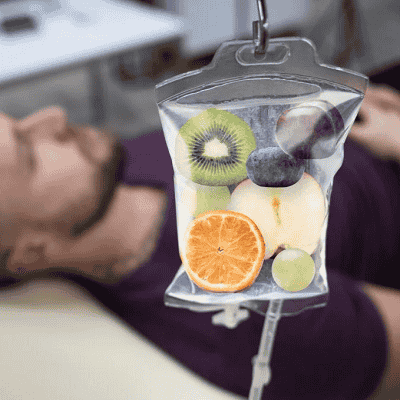
What Are IV Drips and How Do They Work?
IV drips are treatments in which fluids are administered directly into a vein through a small catheter. Depending on the medical purpose, an IV solution may contain fluids, electrolytes, vitamins, minerals, or medications.
Unlike food and beverages, which travel through the digestive system before nutrients are absorbed, intravenous administration places substances directly into the bloodstream. This makes IV therapy useful in certain medical situations where rapid fluid replacement or another form of intravenous treatment is needed.
Some wellness services market IV drips specifically for hydration, energy, recovery, or cosmetic wellness. These treatments may contain ingredients such as vitamin C, B vitamins, electrolytes, or other nutrients.
However, direct delivery does not automatically mean that more nutrients will produce better skin. The body regulates and uses nutrients according to its needs, and excess amounts of certain substances may not provide additional cosmetic benefits.
For someone who is genuinely dehydrated, restoring adequate fluid levels may improve overall well-being and potentially make the skin appear less dry or tired. That is different from proving that IV therapy itself has a special anti-aging or skin-enhancing effect.
Can IV Drips Improve Skin Hydration?
Hydration is one of the main reasons people consider IV drips. Proper hydration is essential for normal body function, and the skin is affected by the body’s overall fluid balance.
When a person becomes significantly dehydrated, the skin may appear dry or less supple. Replacing fluids can help the body return toward normal fluid balance. In situations where oral hydration is difficult or inadequate, intravenous fluids can be medically useful.
For a healthy person who is already drinking enough fluids, however, there is limited evidence that receiving extra IV fluids will provide a meaningful or lasting improvement in skin hydration.
Skin hydration is also influenced by factors such as:
- Humidity and climate
- Skin barrier function
- Cleansing habits
- Use of moisturizers
- Age
- Certain medications
- Nutrition
- Sun exposure
- Underlying health conditions
This means that skin dryness cannot always be solved simply by increasing fluid intake. A healthy skin barrier is particularly important because it helps reduce water loss from the outer layer of the skin.
For everyday skin hydration, consistent use of a suitable moisturizer, gentle cleansing, sun protection, and adequate oral fluid intake are generally more practical approaches.
Do IV Drips Make Skin Look Brighter or More Radiant?
A temporary improvement in overall appearance is sometimes reported after hydration-focused treatments. If someone was dehydrated, exhausted, or feeling unwell, becoming adequately hydrated may make them feel refreshed and potentially make their complexion appear less tired.
But this should not be confused with a guaranteed cosmetic effect.
Some IV treatments are promoted as “beauty drips” or “glow” treatments and may contain combinations of vitamins and antioxidants. Ingredients such as vitamin C are involved in important biological processes, including collagen production and antioxidant activity. Nevertheless, receiving a nutrient intravenously does not necessarily mean that it will produce visible improvements in skin tone or texture in a person who already has adequate nutrient levels.
Skin brightness is influenced by many factors, including pigmentation, sun exposure, inflammation, sleep, genetics, and skincare habits. An IV drip cannot be expected to address all of these factors.
People considering IV drips for cosmetic reasons should therefore maintain realistic expectations. Any noticeable improvement may be temporary, subtle, or unrelated to a specific vitamin included in the treatment.
What Ingredients Are Commonly Found in IV Drips?
The ingredients in IV drips vary considerably depending on the treatment’s purpose. A hydration-focused IV may primarily contain fluids and electrolytes, while wellness-oriented formulas may include vitamins or other nutrients.
Common ingredients can include:
- Saline or other intravenous fluids
- Electrolytes
- Vitamin C
- B vitamins
- Magnesium
- Other nutrients depending on the formulation
The presence of an ingredient does not automatically establish that the treatment will improve the skin. The appropriate amount also depends on an individual’s circumstances.
For example, nutrients are important when the body is deficient, but taking additional amounts beyond what the body needs may not produce extra benefits. Certain vitamins and minerals can also cause problems when given in inappropriate amounts or to people with particular medical conditions.
This is why IV therapy should be approached as a medical treatment rather than simply another beauty service. A qualified healthcare professional should assess whether intravenous treatment is appropriate and review relevant health factors before administration.
Are IV Drips Safe for Everyone?
IV therapy can be appropriate and beneficial in specific medical circumstances, but it is not completely risk-free.
Because an IV involves inserting a catheter into a vein, possible complications can include pain, bruising, irritation, bleeding, infection, or inflammation at the injection site. Depending on the fluid or substance administered, other complications can also occur.
There can also be risks associated with receiving too much fluid or excessive amounts of certain vitamins, minerals, or medications. People with kidney, heart, or other medical conditions may require particular caution because their bodies may not handle fluids or certain substances in the same way as a healthy person.
For this reason, anyone considering IV drips for skin or wellness purposes should provide a complete health history and medication list to the healthcare professional responsible for the treatment.
A reputable treatment setting should also explain what the IV contains, why each ingredient is being used, and what potential side effects or contraindications may apply.
What Can People Do for Better Skin Hydration?
For most people, improving everyday skin care is a more straightforward starting point than pursuing IV therapy specifically for cosmetic hydration.
A simple routine can include a gentle cleanser, a moisturizer suited to the individual’s skin type, and broad-spectrum sunscreen during the day. Moisturizers containing ingredients that support the skin barrier can be especially useful for people who experience dryness.
Adequate oral hydration is also important. Rather than focusing on excessive water consumption, people can generally aim to drink enough fluids to support normal hydration throughout the day, with needs varying according to activity, climate, diet, and health.
Nutrition matters as well. A balanced diet containing protein, fruits, vegetables, healthy fats, and essential nutrients supports normal skin function.
Other lifestyle habits can make a difference. Getting sufficient sleep, avoiding smoking, limiting excessive sun exposure, and managing stress can all contribute to healthier-looking skin.
If persistent dryness, itching, redness, scaling, or sudden changes in skin appearance occur, professional medical evaluation may be more useful than relying on a cosmetic IV treatment. An underlying skin condition or another health issue may need to be identified and addressed.
Should Someone Choose IV Drips for Skin Benefits?
The decision depends heavily on the individual’s reason for considering treatment.
If a person is significantly dehydrated or has a medical reason that makes intravenous fluids appropriate, an IV may provide an important health benefit. In such cases, improved appearance could simply be one secondary result of correcting dehydration.
For someone who is already healthy, well hydrated, and nutritionally balanced, the evidence is much less convincing that routine IV drips provide major or lasting improvements in skin appearance.
People should be cautious about treatments that promise dramatic anti-aging effects, permanent skin brightening, wrinkle removal, or guaranteed results. Cosmetic claims can sometimes be stronger than the available scientific evidence.
A sensible approach is to view IV therapy as a medical intervention that may have specific uses rather than as a shortcut to perfect skin. Before treatment, individuals can ask what the IV contains, what benefit is expected, whether there is a medical reason for each ingredient, what potential risks exist, and whether other options may be more appropriate.
Ultimately, healthy skin usually depends on several factors rather than one treatment. Good skincare, sun protection, nutrition, hydration, sleep, and appropriate medical care remain important foundations.
Frequently Asked Questions
1. Can IV drips hydrate the skin?
IV fluids can help correct dehydration by restoring fluid directly into the bloodstream. If dehydration is affecting overall appearance, correcting it may make the skin look less dry or tired. However, there is limited evidence that IV hydration provides a special or lasting skin-hydrating effect in people who are already adequately hydrated.
2. Can IV drips make skin glow?
Some people may notice a refreshed appearance after treatment, particularly if they were dehydrated or unwell. However, a guaranteed “glow” cannot be expected. Evidence supporting IV drips as a reliable cosmetic treatment for brighter or more radiant skin is limited.
3. How often should someone get IV drips for skin benefits?
There is no universally established schedule for receiving IV drips solely for cosmetic skin benefits. Frequency should not be based simply on marketing recommendations. A healthcare professional can determine whether IV treatment is medically appropriate and whether repeated treatment creates unnecessary risks.
4. Are IV vitamin treatments better than taking vitamins by mouth?
Not necessarily. Intravenous administration can be useful when a person needs rapid treatment or cannot adequately absorb or take something orally. For people who have normal nutrient levels and can consume a balanced diet, there is not automatically an additional skin benefit from receiving vitamins through an IV.
5. Can IV drips remove wrinkles or reverse aging?
IV drips should not be considered a proven way to remove wrinkles or reverse skin aging. Skin aging is influenced by genetics, sun exposure, collagen changes, lifestyle, and other factors. Treatments promoted for anti-aging purposes should be evaluated carefully, especially when they promise dramatic results.
6. What should someone ask before getting an IV drip?
A person can ask what ingredients the IV contains, why each ingredient is included, what evidence supports the proposed benefit, what possible side effects exist, and whether the treatment is appropriate given their medical history and medications. Understanding these factors can help someone make a more informed decision.
Final Thoughts
IV drips can have a legitimate role in hydration and medical care when used appropriately. They may help people who are genuinely dehydrated, and correcting dehydration can sometimes improve how a person feels and looks. However, the evidence does not establish IV drips as a guaranteed cosmetic solution for skin hydration, brightness, or aging.
For everyday skin health, a consistent skincare routine, adequate hydration, balanced nutrition, sun protection, quality sleep, and appropriate medical care remain important. Anyone considering IV therapy primarily for cosmetic reasons should discuss the potential benefits and risks with a qualified healthcare professional and keep expectations realistic.
Read More About IV Drips: https://my-website-a90f2y.webnode.page/l/iv-drips-for-busy-people-fast-hydration-explained/