
 Enfield Clinic Oman


Breast reconstruction is a type of Breast Surgery designed to rebuild the shape and appearance of the breast after a mastectomy, significant injury, congenital difference, or certain other medical treatments. For many people, breast reconstruction can be an important part of physical and emotional recovery. It can help restore breast contours, improve symmetry, and give the body a more natural appearance after breast tissue has been removed or altered.
Breast reconstruction is not one single procedure. Different surgical techniques can be used depending on a person’s health, anatomy, treatment history, preferences, and whether reconstruction is performed immediately or at a later stage. Some procedures use breast implants, while others use tissue taken from another part of the body.
Understanding how breast reconstruction works can make the treatment journey easier to navigate. Although every surgical plan is individualized, learning about the available options, recovery process, benefits, and potential risks can help patients have more informed conversations with their healthcare team.
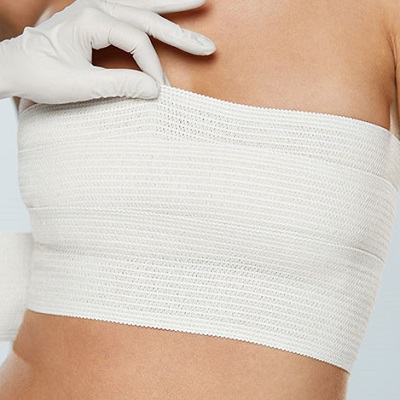
What Is Breast Reconstruction?
Breast reconstruction is a surgical procedure that recreates the breast mound after breast tissue has been removed or significantly changed. It is commonly considered after a mastectomy performed as part of breast cancer treatment, although reconstruction may also be considered after trauma, previous surgery, or developmental conditions affecting breast shape.
The goal is generally to create a breast contour that looks balanced with the other side while taking into account the patient’s natural body shape.
Breast reconstruction does not necessarily restore the exact appearance or sensation of the original breast. The reconstructed breast may have a different shape, texture, or feeling. However, modern breast surgery techniques can provide increasingly natural-looking results.
The procedure may also involve reconstruction of the nipple and areola. This is often performed after the initial breast reconstruction has healed, although the timing varies from person to person.
How Does Breast Surgery for Reconstruction Work?
Breast reconstruction generally involves creating a new breast shape using either an implant, the patient’s own tissue, or a combination of surgical techniques.
Implant-Based Reconstruction
Implant-based reconstruction uses a medical implant to create the breast shape. In some cases, a tissue expander is placed first. The expander gradually stretches the skin and surrounding tissue so that an implant can later be inserted.
A tissue expander may require several appointments for gradual filling over time. Once the tissue has expanded sufficiently, another operation may be performed to replace the expander with a permanent implant.
In other situations, an implant may be placed during the initial reconstruction procedure if the patient’s anatomy and treatment plan make this approach appropriate.
Implant-based reconstruction generally avoids taking tissue from another area of the body. However, it may involve more than one surgical stage, and implants can require monitoring and, in some circumstances, future surgery.
Autologous or Flap Reconstruction
Another approach uses the patient’s own tissue. This is known as autologous reconstruction or flap reconstruction.
Tissue may be taken from areas such as the abdomen, back, thigh, or buttock, depending on the surgical technique and individual anatomy. The tissue can include skin, fat, and sometimes muscle or its associated blood vessels.
During the procedure, the surgeon shapes the transferred tissue into a breast mound. In some flap techniques, the blood vessels supplying the tissue are carefully connected to blood vessels in the chest using microsurgery.
One potential advantage of using the patient’s own tissue is that it can provide a softer and more natural-feeling breast contour. However, flap procedures can be more complex and may involve a longer recovery period because both the breast area and the donor area require healing.
Combination Reconstruction
Some patients may benefit from a combination of techniques. For example, a surgeon may use the patient’s own tissue to provide coverage and an implant to achieve the desired volume.
The choice depends on factors such as available tissue, previous operations, radiation treatment, overall health, body shape, and the desired outcome.
When Is Breast Reconstruction Performed?
Breast reconstruction can be performed at different points in the treatment process.
Immediate reconstruction is performed during the same operation as the mastectomy. This approach can allow the patient to wake up with a reconstructed breast shape rather than experiencing a longer period without a breast mound.
Delayed reconstruction is performed after the mastectomy and other necessary treatments have been completed. Some patients may prefer this approach because it allows time to focus on cancer treatment and recovery before considering reconstruction.
There is also a staged approach in which reconstruction begins during one operation and is completed through one or more later procedures.
The timing can depend on cancer treatment, radiation therapy, overall health, personal preferences, and the type of reconstruction being considered. A healthcare professional can help determine which timing is medically appropriate.
What Happens During Breast Reconstruction Surgery?
The exact steps vary considerably according to the reconstruction method.
Before surgery, the healthcare team typically reviews the patient’s medical history, previous treatments, medications, overall health, and expectations. The surgical plan may also include measurements of the chest and breast area to help determine an appropriate reconstruction method.
During implant-based reconstruction, an implant or tissue expander is positioned beneath or in relation to the chest tissues. The surgeon then closes the surgical site carefully.
During flap reconstruction, tissue is harvested from a donor area and transferred to the chest. The tissue is shaped to create the breast mound, and its blood supply is maintained or reconnected depending on the technique.
Some patients may eventually undergo additional procedures to improve symmetry or reconstruct the nipple and areola. These procedures may be performed after the main reconstruction has healed.
Because breast reconstruction can be technically complex, the overall treatment plan is often considered a process rather than a single operation.
What Is Recovery Like After Breast Surgery?
Recovery depends on the type of breast surgery performed, the patient’s general health, and whether additional procedures were performed.
After surgery, patients may experience swelling, bruising, tightness, soreness, or temporary changes in sensation. Pain medication and other postoperative instructions may be provided to help manage discomfort.
Patients are usually advised to avoid strenuous activity while the surgical sites heal. The healthcare team may provide specific guidance about lifting, exercise, sleeping positions, wound care, showering, and returning to work.
Recovery from implant-based reconstruction may be different from recovery after flap reconstruction. Flap surgery can involve healing at both the breast and donor sites, which may make the recovery period more extensive.
Follow-up appointments are an important part of recovery. These visits allow the healthcare team to check healing, identify possible complications, and determine whether further procedures are appropriate.
The final appearance of the reconstructed breast may not be immediately visible because swelling and tissue healing can temporarily affect its shape. Results generally become clearer as healing progresses.
Benefits and Potential Risks of Breast Reconstruction
One of the main benefits of breast reconstruction is the ability to restore a breast contour after breast tissue has been removed. For some patients, reconstruction can improve clothing fit, body symmetry, and confidence.
It is important, however, to understand that breast reconstruction is still major surgery. Like other surgical procedures, it carries potential risks.
Possible complications can include infection, bleeding, fluid accumulation, wound-healing problems, changes in sensation, scarring, asymmetry, and problems involving the reconstructed tissue or implant.
Implant-based reconstruction can have implant-specific complications, while flap reconstruction can involve complications affecting the transferred tissue or donor site.
Previous radiation treatment, smoking, certain medical conditions, and other factors may affect healing and surgical outcomes. A healthcare professional can explain individual risks based on a patient’s circumstances.
Breast reconstruction also does not eliminate the need for appropriate follow-up care after breast cancer treatment. Patients should continue recommended medical examinations and discuss any new changes with their healthcare team.
Choosing the Right Breast Reconstruction Approach
There is no universally ideal breast reconstruction method. The most suitable option depends on the individual’s circumstances and goals.
Several factors may influence the decision, including:
- Whether radiation therapy has been received or is planned
- The amount and quality of available chest tissue
- The patient’s body shape and available donor tissue
- Previous abdominal or chest surgery
- Overall health and medical history
- Desired breast size and appearance
- Willingness to undergo multiple procedures
- Expected recovery time
- Personal preferences regarding implants or natural tissue
A detailed consultation can help patients understand what each approach involves. Questions about recovery, scarring, sensation, future surgeries, symmetry, and long-term maintenance can all be discussed before making a decision.
It is also important for patients to have realistic expectations. Breast reconstruction aims to restore shape and improve appearance, but it may not reproduce the exact appearance or sensation of a natural breast.
Final Thoughts on Breast Reconstruction
Breast reconstruction is a personalized form of breast surgery that can play an important role in physical recovery and quality of life following breast removal or significant breast changes. Depending on individual circumstances, reconstruction may involve implants, the patient’s own tissue, or a combination of techniques.
Understanding the basic process can help patients approach consultations with greater confidence. The timing of reconstruction, surgical technique, recovery period, and expected results can vary widely from one person to another.
Anyone considering breast reconstruction should discuss their medical history, treatment plan, expectations, and concerns with a qualified healthcare professional. A personalized assessment is the best way to determine which approach may be appropriate.
FAQs
1. Is breast reconstruction the same as cosmetic breast surgery?
No. Breast reconstruction is generally performed to restore breast shape after tissue has been removed or damaged, often because of medical treatment. Cosmetic breast surgery is typically performed to change the size or shape of otherwise healthy breasts. Although both may use some similar surgical techniques, their goals and circumstances are different.
2. Can breast reconstruction be done immediately after a mastectomy?
Yes, immediate reconstruction can be performed during the same operation as a mastectomy in appropriate cases. However, delayed reconstruction may be recommended depending on factors such as cancer treatment, radiation therapy, overall health, and personal preference.
3. Does breast reconstruction restore normal sensation?
Breast reconstruction does not necessarily restore normal breast sensation. Numbness or altered sensitivity can occur after surgery, particularly because breast tissue and nerves may have been affected during the original treatment. Sensation can change over time, but the degree of recovery varies.
4. Is breast reconstruction painful?
Some discomfort, soreness, tightness, or swelling is expected during the early recovery period. Pain management is normally part of postoperative care. The amount and duration of discomfort can vary depending on the type of reconstruction and the individual’s healing process.
5. How long does it take to recover from breast reconstruction?
Recovery varies according to the surgical technique and the patient’s overall health. Implant-based reconstruction and flap reconstruction can have different recovery timelines. Patients usually need time to allow swelling and surgical wounds to heal before returning to strenuous activities.
6. Can breast reconstruction require more than one surgery?
Yes. Some reconstruction plans are intentionally performed in stages. Additional procedures may be used to refine breast shape or symmetry, replace a temporary tissue expander, or reconstruct the nipple and areola. The number of procedures depends on the individual’s treatment plan and healing.
Read More About Breast Surgery: https://my-website-a90f2y.webnode.page/l/do-you-need-a-mammogram-before-breast-surgery/