
 taha421


Warts can become frustrating when they repeatedly rub against clothing, catch on everyday objects, or cause discomfort during routine activities. Although many warts are harmless, frequent irritation may lead to tenderness, inflammation, or occasional bleeding, particularly when the affected area experiences regular friction. Warts removal treatment in Riyadh provides options for people seeking professional guidance on managing persistent or repeatedly irritated skin growths. Understanding why warts become irritated, which treatments may be appropriate, and how to protect the skin afterward can help individuals make informed decisions.
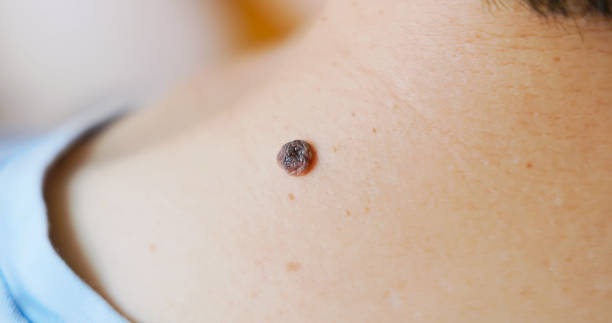
Why Some Warts Become Repeatedly Irritated
Warts are commonly caused by certain types of human papillomavirus (HPV), which can enter the skin through small cuts or breaks. They may develop on the hands, fingers, feet, or other areas of the body. Their appearance varies, with some presenting as rough, raised bumps and others appearing flatter or thicker.
Repeated irritation often occurs when a wart develops in an area exposed to constant pressure or friction. A wart on a finger may rub against tools or other objects, while a growth on the foot may become uncomfortable during walking. Warts near joints or areas where clothing fits tightly can also experience repeated rubbing.
Picking, scratching, shaving over, or attempting to cut a wart can worsen irritation and damage surrounding skin. If a growth becomes increasingly painful, bleeds repeatedly, changes in appearance, or does not heal, professional assessment is important because not every skin bump is a wart.
When Should an Irritated Wart Be Assessed?
Occasional friction does not always mean that a wart needs removal. Some warts disappear naturally over time, while others remain stable without causing significant problems. The decision to seek treatment depends on the location, symptoms, duration, and effect on daily activities.
Professional assessment is especially useful when a wart repeatedly becomes sore, interferes with walking or gripping, spreads to nearby areas, or fails to respond to ordinary care. Bleeding without an obvious cause, rapid changes in size or color, persistent pain, or an unusual appearance should not automatically be attributed to a wart.
A clinician can examine the growth and determine whether treatment is appropriate. In some cases, further evaluation may be needed before a removal procedure is considered.
Warts Removal Treatment in Riyadh: Available Approaches
The appropriate treatment depends on the wart’s thickness, location, size, and response to previous methods. The goal is to manage the growth while limiting unnecessary damage to healthy skin.
Topical Treatments for Suitable Warts
Some warts can be treated with topical products containing salicylic acid. This ingredient gradually breaks down thickened skin, allowing affected layers to be removed over time. Treatment may require consistent application for several weeks, and results can vary.
These products should be used according to the label or a healthcare professional’s instructions. Applying them to healthy surrounding skin can cause irritation, redness, or soreness. People with diabetes, poor circulation, reduced sensation, or conditions that affect wound healing should consult a healthcare professional before attempting treatment at home.
Cryotherapy for Persistent Growths
Cryotherapy is a procedure in which a clinician applies a very cold substance, commonly liquid nitrogen, to the wart. Freezing damages the affected tissue, which then gradually heals and sheds.
Some warts respond after one session, but others require several treatments. Temporary discomfort, blistering, swelling, and changes in skin pigmentation may occur. Because repeatedly irritated warts may already have damaged surrounding skin, the clinician should assess the area before proceeding.
Other Clinical Removal Procedures
For selected stubborn warts, a healthcare professional may consider procedures that remove or destroy the affected tissue using specialized equipment. The most suitable method depends on the clinical findings and the individual’s circumstances.
Procedures can involve local discomfort, bleeding, infection risk, pigment changes, or scarring. These considerations are particularly important when a wart is located on a part of the body that experiences regular pressure or movement. A consultation should include a discussion of expected recovery, possible side effects, and the chance that the wart may return.
How to Prepare for Wart Treatment
Before a consultation, consider when the wart first appeared and whether it has changed or become more uncomfortable. Tell the clinician about any home remedies, medicated creams, or previous procedures you have tried, including whether they caused additional irritation.
Avoid cutting, scraping, or aggressively filing the growth before your appointment. These actions may injure the skin and make the area harder to assess. If the wart is repeatedly rubbing against clothing or equipment, reducing that friction may help protect the surrounding skin while you await professional advice.
It is also helpful to mention any allergies, ongoing medications, or medical conditions that could affect healing. This information allows the clinician to consider appropriate treatment options and precautions.
Caring for the Skin After Treatment
Aftercare depends on the procedure performed. Follow the clinician’s instructions about cleaning, dressing, and protecting the treated area. Keep the skin clean, avoid unnecessary rubbing, and do not pick at scabs or blisters.
If the treated area is exposed to frequent friction, a suitable protective dressing may help when recommended by the healthcare professional. Avoid applying additional wart-removal products to recently treated skin unless specifically advised.
Increasing redness, worsening pain, swelling, discharge, or other signs of infection should be assessed promptly. Healing time varies depending on the treatment, the wart’s location, and individual skin characteristics.
Preventing Further Irritation and Recurrence
Reducing repeated pressure is an important part of managing uncomfortable warts. Wear footwear that fits comfortably if a wart is on the foot, and use appropriate protective coverings when friction cannot be avoided. Avoid scratching, biting, or picking at warts, as this can damage the skin and potentially spread the virus to nearby areas.
Do not share nail clippers, files, or other tools that have directly contacted a wart. Keep any treated area clean and follow the recommended aftercare routine.
Even after a wart appears to disappear, recurrence is possible because the virus may remain in surrounding skin. If the growth returns or irritation continues, a follow-up assessment can help determine whether another treatment approach is needed.
Conclusion
Warts that cause repeated irritation can affect comfort, movement, and everyday routines. The right management approach begins with an accurate assessment and may involve topical treatment, cryotherapy, or another suitable clinical procedure. Avoiding friction, protecting the skin, and following aftercare instructions can support healing, while professional advice helps identify unusual growths and reduce the risk of unnecessary skin damage. For individuals considering Warts removal treatment in Riyadh, Royal Clinic Saudi can be a starting point for seeking information about professional skin assessment and appropriate treatment options.
FAQs:
1. Why does my wart keep becoming irritated?
Repeated friction, pressure, scratching, or contact with clothing and objects can irritate a wart and the surrounding skin.
2. Does an irritated wart always need to be removed?
No. Treatment depends on its symptoms, location, and appearance. However, persistent pain, unexplained bleeding, or changes in the growth should be assessed by a healthcare professional.
3. Can wart removal prevent the wart from returning?
Treatment can remove or reduce the visible wart, but recurrence is possible because the virus may remain in nearby skin.
4. How can I protect an irritated wart before treatment?
Avoid picking or cutting it, reduce friction where possible, and keep the area clean. Seek professional advice if the wart becomes increasingly painful, bleeds repeatedly, or changes unexpectedly.