
 taha421


Fullness beneath the chin is a common cosmetic concern that can affect the definition of the jawline and the transition between the face and neck. It may occur in people with different body types and can be influenced by genetics, aging, skin elasticity, and natural fat distribution. For individuals seeking a non-surgical approach, Fat melting injections in Riyadh may be worth discussing with a qualified medical professional when localized fat beneath the chin is the main concern.
These injections are designed to target fat cells in a specific area, allowing the body to gradually process the affected cells. However, not every case of fullness beneath the chin is caused by fat alone. Loose skin, chin structure, and other anatomical factors can also influence the appearance. A careful assessment helps determine whether injectable treatment is appropriate and what results may realistically be expected.
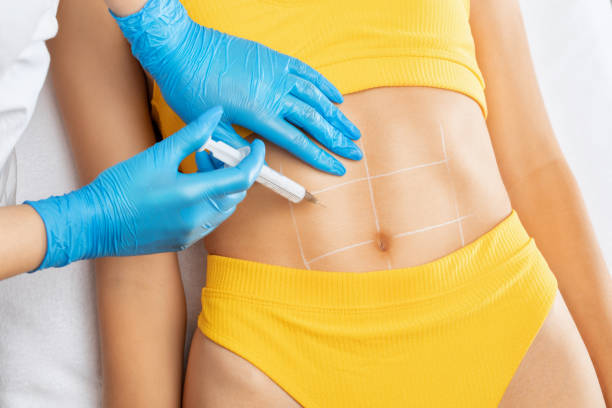
How Fat Melting Injections Work Beneath the Chin
Certain injectable treatments use substances that damage fat cells in a targeted area. The body then gradually processes the affected cells and their contents, which may lead to a reduction in localized fullness over time.
Deoxycholic acid is an example of an active substance used in a specific injectable treatment for submental fat, which refers to fat beneath the chin. In some countries, certain deoxycholic acid products are approved for improving the appearance of moderate to severe submental fullness in appropriately selected adults. Approval requirements and product availability vary by country.
This authorization should not be assumed to apply to every fat-reduction injection. Patients should confirm the exact product being proposed, its regulatory status, and whether it is authorized for the intended use. A qualified clinician can explain how the treatment works and whether it is suitable for the individual’s anatomy and medical history.
Who May Be Suitable for Treatment?
Injectable treatment may be considered for selected adults whose fullness beneath the chin is mainly caused by a localized fat deposit. People who maintain a relatively stable weight but remain concerned about this specific area may wish to explore whether treatment is appropriate.
However, suitability cannot be determined by appearance alone. A clinician needs to assess the amount and location of fat, skin elasticity, chin projection, general health, and expectations. People with significant loose skin or fullness caused primarily by other anatomical factors may not achieve the desired improvement through fat reduction alone.
The consultation should also include a review of medications, allergies, medical conditions, and previous cosmetic procedures. Patients should have a clear understanding of the likely benefits and limitations before deciding to proceed.
How Treatment May Improve Jawline Definition
Reducing Localized Fullness
When excess fat beneath the chin is the main cause of a less defined profile, an appropriate treatment may reduce some of that fullness. This can make the transition between the chin and neck appear more distinct in suitable candidates.
The extent of improvement varies from person to person. Factors such as fat volume, skin condition, anatomy, and individual response can influence the final appearance. The treatment cannot guarantee a sharply defined jawline or change the underlying bone structure.
Supporting Natural Facial Proportions
A balanced outcome depends on treating the right concern rather than simply reducing as much fat as possible. Fat beneath the chin contributes to the natural contours of the lower face and neck, so excessive or inappropriate treatment may lead to an uneven appearance.
A clinician should evaluate the relationship between the chin, jawline, and neck before recommending treatment. The goal is to determine whether localized fat reduction is likely to create a meaningful improvement without compromising natural proportions.
What Happens During the Treatment Process?
The process typically begins with a consultation in which the clinician examines the area beneath the chin and discusses the patient’s goals. Medical history, skin condition, and the cause of fullness are reviewed to determine whether the treatment is suitable.
If treatment is appropriate, the clinician should explain the specific product, the expected procedure, possible discomfort, aftercare, and potential complications. The treatment area may be marked before injections are administered according to the product’s instructions.
The number of sessions, spacing between treatments, and recovery requirements depend on the product and individual response. Patients should not assume that everyone needs the same number of sessions or that additional injections will necessarily produce a better result.
When Can Results Become Noticeable?
Changes usually develop gradually rather than immediately. Temporary swelling, tenderness, bruising, or numbness may occur after treatment and can initially affect the appearance of the chin and neck.
The time needed to assess the outcome varies according to the product, treatment plan, and individual healing response. A clinician may recommend a follow-up appointment to evaluate recovery and determine whether further treatment is appropriate.
It is important to allow the area to recover before judging the final result. Patients should follow the aftercare instructions provided and avoid additional treatment until the clinician confirms that it is appropriate.
Possible Side Effects and Safety Considerations
Injectable fat reduction beneath the chin can cause swelling, redness, tenderness, bruising, and temporary changes in sensation. More serious complications may include difficulty swallowing, nerve injury that can affect facial movement, infection, skin damage, or uneven contours.
The risk depends on the specific product, injection technique, anatomy, and provider qualifications. Because important nerves and other structures are located around the chin and neck, accurate assessment and appropriate administration are essential.
Patients should seek prompt medical advice if they experience severe or worsening pain, unusual skin changes, significant weakness, difficulty swallowing, or other concerning symptoms. Treatment should be performed only by a suitably qualified professional using a product appropriate for the intended area.
How to Maintain a Defined Chin and Neck Profile
The appearance of the chin and neck can change over time due to aging, changes in body weight, and variations in skin elasticity. Maintaining a stable weight and following healthy lifestyle habits may help support overall body composition, but these habits cannot guarantee a particular jawline or neck contour.
Fat reduction also does not directly tighten loose skin. If skin laxity is the main concern, a clinician may discuss other options that are better suited to the individual’s needs. A long-term approach should consider natural anatomy, realistic expectations, and the limitations of each available treatment.
Book a Consultation at Royal Clinic Saudi
People considering Fat melting injections in Riyadh can contact Royal Clinic Saudi to discuss localized fullness beneath the chin and explore suitable treatment options. A qualified clinician can assess the area, review medical history, explain the product’s approved use, and discuss expected benefits, risks, and alternatives. An individualized consultation helps determine whether injectable fat reduction is appropriate for the patient’s goals.
FAQs:
1. Can fat melting injections reduce fat beneath the chin?
Certain approved products may help reduce submental fat in appropriately selected adults. Results vary, and treatment cannot guarantee a particular jawline or facial shape.
2. How long does it take to see results beneath the chin?
Changes generally develop gradually, and swelling may temporarily affect the appearance after treatment. The timeline varies depending on the product and individual response.
3. Can these injections tighten loose skin beneath the chin?
No. Fat-reduction injections target fat rather than directly tightening excess skin. People with significant skin laxity may need to consider other treatment options.
4. Are fat melting injections beneath the chin safe for everyone?
No. Suitability depends on anatomy, medical history, the specific product, and its authorization for the intended use. A qualified clinician should assess these factors and explain potential complications before treatment.