
 Enfield Clinic Oman


Healthy-looking skin depends on a consistent balance between renewal, hydration, and protection. One of the most common ways to support this process is exfoliation, which helps remove dead skin cells from the surface. Organic peels take this concept a step further by using naturally derived acids and active ingredients to encourage smoother, brighter, and more even-looking skin.
For people exploring an Organic Peel in Oman, understanding the connection between organic peeling and exfoliation can make it easier to decide whether this type of treatment fits their skincare goals. Although the terms are sometimes used interchangeably, a professional peel and everyday exfoliation are not exactly the same. Each works at a different level and may be selected according to the skin’s condition, sensitivity, and desired results.
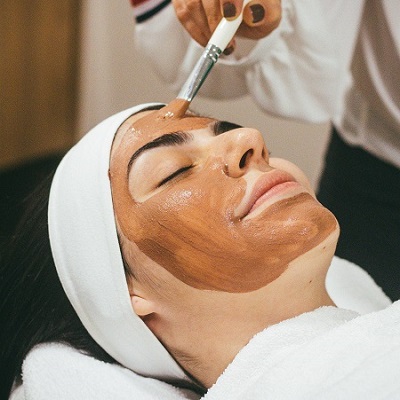
What Is Exfoliation and Why Does Skin Need It?
The skin naturally sheds dead cells as part of its renewal cycle. However, these cells do not always leave the surface evenly or quickly. When dead cells accumulate, the complexion may appear dull, rough, dry, or uneven. Excess buildup can also make skincare products feel less effective because they have difficulty spreading across the skin’s surface.
Exfoliation is the process of helping remove these unwanted surface cells. It can be physical, such as using a gentle scrub, or chemical, using ingredients that loosen the bonds between dead skin cells.
Regular but appropriate exfoliation may help improve the appearance of:
- Dull or tired-looking skin
- Rough texture
- Uneven skin tone
- Mild congestion
- Surface dryness
- Certain types of pigmentation
However, more exfoliation does not necessarily mean better skin. Excessive scrubbing or frequent use of strong exfoliating ingredients can weaken the skin barrier, potentially causing dryness, redness, sensitivity, or irritation. This is why the right method and frequency matter.
How Does an Organic Peel Work?
An organic peel is a professional exfoliation treatment that generally uses naturally derived ingredients, often including fruit acids or botanical-based compounds. Depending on the formulation, these ingredients can help loosen dead skin cells and encourage the skin’s natural renewal process.
Unlike a conventional scrub, which physically rubs the surface of the skin, a peel works primarily through chemical exfoliation. Certain acids interact with the bonds holding dead cells together, making it easier for them to shed.
The depth and intensity of a peel can vary considerably. Some treatments are designed mainly for surface refreshment, while others are formulated to provide more noticeable exfoliation. The appropriate option depends on factors such as skin type, sensitivity, pigmentation concerns, acne tendencies, and previous skincare treatments.
The term “organic” should also be understood carefully. Natural or plant-derived ingredients can be beneficial, but natural does not automatically mean suitable for every skin type. A professional assessment is useful before undergoing a peel, particularly for individuals with sensitive or reactive skin.
The Connection Between Organic Peel and Exfoliation
Organic peeling and exfoliation are closely connected because exfoliation is one of the main mechanisms through which a peel produces its effects. In simple terms, exfoliation describes the process, while an organic peel is one treatment method that can provide that process in a controlled setting.
A well-selected peel may help remove layers of dead surface cells while supporting a smoother appearance. As these cells are shed, fresher-looking skin underneath becomes more visible. This can create the appearance of improved brightness and texture.
Some peels may also stimulate skin renewal beyond simple surface exfoliation. Depending on the ingredients and strength, they can encourage processes associated with healthier-looking skin over time.
This makes professional peeling different from simply applying a facial scrub at home. The treatment is typically selected according to the individual’s skin characteristics rather than being used as a one-size-fits-all approach.
For those considering an Organic Peel in Oman, this distinction is important. The goal should not be to remove as much skin as possible. Instead, the focus should be controlled exfoliation that supports the skin without unnecessarily disrupting its protective barrier.
Potential Benefits of Organic Peels for Different Skin Concerns
Organic peels may be considered for several common cosmetic skin concerns. Results vary depending on the person’s skin condition, the formulation used, and the number of treatments recommended.
Brighter-Looking Skin
A layer of accumulated dead cells can make the complexion appear dull. By helping shed these cells, exfoliation may reveal skin that looks fresher and more radiant.
Smoother Skin Texture
Uneven surface texture can become more noticeable with dryness, environmental exposure, or clogged pores. Controlled exfoliation may help the skin feel smoother and look more refined.
Uneven Skin Tone
Some professional peels are used to improve the appearance of mild uneven pigmentation. By encouraging the shedding of pigmented surface cells and supporting skin renewal, they may contribute to a more uniform-looking complexion.
Acne-Prone Skin
Certain exfoliating acids can help reduce the buildup of dead skin cells and excess oil that contributes to clogged pores. However, an appropriate formulation is particularly important for acne-prone or sensitive skin.
Fine Lines and Early Signs of Skin Aging
Exfoliation can improve the appearance of skin texture, which may make fine lines look less noticeable. Some peel ingredients may also support longer-term skin renewal, although peels should not be viewed as a complete anti-aging solution.
What Can Someone Expect During and After an Organic Peel?
The experience depends on the type and strength of the peel. During treatment, some people may experience mild tingling, warmth, or temporary sensitivity. A professional generally monitors the skin and follows a carefully selected application process.
Afterward, the skin may look slightly flushed or feel tight. With some formulations, mild peeling or flaking can develop over the following days. Not every organic peel causes visible peeling, however. The absence of dramatic flaking does not necessarily mean the treatment has not worked.
Post-treatment care is particularly important. The skin may be more sensitive to environmental exposure after exfoliation, so sun protection should be a major part of aftercare. A gentle cleanser, appropriate moisturizer, and broad-spectrum sunscreen are commonly recommended.
Strong exfoliating products, aggressive scrubs, and unnecessary picking or peeling of the skin should generally be avoided while the skin is recovering. Following professional aftercare instructions can help reduce irritation and support a smoother recovery.
How to Choose the Right Organic Peel in Oman
Choosing a peel should begin with the skin’s needs rather than the popularity of a particular ingredient. Different acids and formulations have different characteristics, and what works well for one person may be unsuitable for another.
A professional skin assessment can consider:
- Skin type and sensitivity
- Current pigmentation
- Acne or congestion
- Existing dryness
- Previous reactions to skincare products
- Current medications or topical products
- Recent cosmetic procedures
- Desired outcome
Environmental factors can also influence skincare needs. Oman’s sunny and often hot climate makes sun protection especially important for anyone undergoing an exfoliating treatment. UV exposure can contribute to pigmentation and may make recently treated skin more vulnerable to irritation.
It is also helpful to discuss previous experiences with peels, allergies, active skin conditions, and current skincare routines before treatment. Someone already using retinoids, exfoliating acids, or other active products may need to adjust their routine around a professional peel.
A qualified skincare professional can also determine whether a peel is appropriate at all. In some cases, improving hydration and repairing the skin barrier may be a better first step than exfoliation.
Organic Peel vs. Regular At-Home Exfoliation
At-home exfoliation can be useful when performed correctly, but it is different from a professional peel. Home products are generally formulated for regular consumer use and are typically less intensive than professionally administered treatments.
A simple skincare routine may include gentle cleansing, moisturizing, sunscreen, and carefully selected exfoliation when needed. Professional peeling can be considered when someone wants a more targeted approach to specific concerns.
The two approaches can sometimes complement each other, but they should not be combined indiscriminately. Using several exfoliating products before or after a peel may increase the likelihood of irritation.
The best approach is usually consistency rather than intensity. Healthy skin does not require constant peeling. Instead, exfoliation should be used thoughtfully and according to the skin’s tolerance.
Is Organic Peeling Suitable for Everyone?
Organic peels can be suitable for many people, but they are not universally appropriate. Skin that is irritated, sunburned, severely dry, or experiencing certain active conditions may require a different approach.
People with a history of strong reactions to skincare ingredients should discuss this before treatment. Pregnancy, breastfeeding, prescription skincare, recent cosmetic procedures, and certain medical skin conditions may also affect which ingredients or treatments are appropriate.
A professional evaluation can help identify potential risks and determine whether a particular peel is suitable. Patch testing or a cautious treatment approach may be considered when sensitivity is a concern.
Most importantly, a peel should never be chosen solely because it is described as natural or organic. Ingredient concentration, formulation, application technique, skin condition, and aftercare all influence safety and results.
Frequently Asked Questions
1. What is the main difference between an organic peel and exfoliation?
Exfoliation is the general process of removing dead skin cells, while an organic peel is a specific exfoliating treatment that commonly uses naturally derived acids or active ingredients. A professional peel can provide more controlled and targeted exfoliation than a basic home scrub.
2. How often can someone get an organic peel?
The ideal frequency depends on the peel’s strength, the person’s skin type, and the treatment goal. Some mild treatments may be repeated periodically, while stronger peels require more recovery time. A professional should determine the appropriate schedule rather than relying on a fixed routine.
3. Does an organic peel always cause visible skin peeling?
No. The amount of visible peeling varies according to the formulation and treatment intensity. Some peels produce little or no obvious flaking while still providing exfoliation.
4. Can an organic peel help with pigmentation?
Certain professional peels may improve the appearance of mild uneven pigmentation by encouraging the shedding of pigmented surface cells and supporting skin renewal. Results vary, and consistent sun protection is important when addressing pigmentation.
5. Is an organic peel suitable for sensitive skin?
Some formulations may be suitable for sensitive skin when carefully selected and professionally administered, while others may cause irritation. A skin assessment is recommended before treatment so the strength and ingredients can be chosen appropriately.
6. What should be avoided after an organic peel?
Immediately after treatment, harsh scrubs, unnecessary picking or peeling, and potentially irritating active ingredients may need to be avoided. Sun exposure should also be minimized, with appropriate broad-spectrum sunscreen used as part of aftercare.
Organic peeling and exfoliation are therefore closely connected, but they are not identical concepts. Exfoliation is the underlying process, while an organic peel is a controlled treatment designed to encourage that process using selected ingredients. When appropriately chosen, it may help improve the appearance of dullness, uneven texture, mild pigmentation, and other surface-level concerns.
For anyone considering an Organic Peel in Oman, the most important consideration is not simply whether a product is natural or organic. The formulation, skin condition, treatment strength, professional assessment, and aftercare all play an important role. A balanced approach to exfoliation can help support smoother, healthier-looking skin without unnecessarily compromising the skin barrier.
Read More About Organic Peel: https://medium.com/@eshanasir556/organic-peel-and-hydration-understanding-the-connection-33fa6384eb08