
 Enfield Clinic Oman


Healthy-looking skin is not only about brightness or smooth texture. A strong skin barrier plays a major role in keeping the skin comfortable, hydrated, and better protected from everyday environmental stressors. When the barrier becomes weakened, the skin may feel dry, tight, sensitive, or more reactive than usual. This is one reason many people consider professional skin treatments such as an Organic Peel in Muscat.
Organic peels are often chosen by people who want to refresh dull-looking skin, improve uneven texture, or support a smoother complexion. However, the quality of the result depends on more than the peeling ingredients themselves. Skin condition, preparation, aftercare, and the strength of the treatment all matter.
Understanding how the skin barrier works can help individuals make more informed decisions about whether an organic peel is appropriate for their skin and how to care for it afterward.
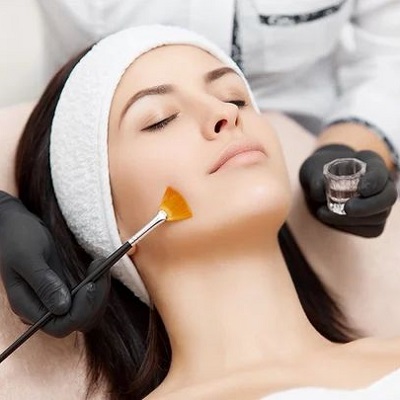
Understanding the Skin Barrier Before an Organic Peel
The skin barrier is the outermost protective layer of the skin. It helps reduce excessive water loss while providing a first line of defense against environmental irritants. This protective function depends partly on the arrangement of skin cells, lipids, natural moisturizing factors, and the skin’s overall hydration.
When the barrier is functioning well, the skin generally feels comfortable and looks relatively balanced. When it is compromised, common signs may include dryness, flaking, redness, stinging, tightness, or increased sensitivity to skincare products.
An organic peel works by encouraging the removal of surface-level dead skin cells. Depending on the formulation and concentration, a peel may help improve the appearance of dullness, uneven texture, and some forms of pigmentation. But because exfoliation temporarily changes the outermost layer of the skin, barrier care becomes particularly important.
This is why a peel should not simply be viewed as an exfoliation treatment. It should be considered as part of a broader skin-health approach.
What Is an Organic Peel and How Does It Work?
An organic peel generally uses naturally derived or plant-based ingredients designed to exfoliate and refresh the skin. Depending on the formulation, these ingredients may include fruit-derived acids, botanical extracts, enzymes, or other naturally sourced compounds.
The exact effect varies according to the ingredients, their concentration, application method, and the individual’s skin type.
A properly selected peel may help:
- Remove accumulated dead skin cells
- Improve the appearance of dull skin
- Promote a smoother-looking surface
- Support a more even-looking complexion
- Reduce the appearance of mild discoloration over time
- Improve the appearance of rough texture
- Help skincare products spread more evenly across the skin
However, “organic” does not automatically mean that a product is suitable for every person or that it cannot cause irritation. Natural ingredients can still be active and potent. The skin’s response depends on the formulation and individual sensitivity.
For this reason, professional assessment can be useful before choosing an Organic Peel in Muscat, particularly for people with sensitive or easily irritated skin.
Why Skin Barrier Health Matters During Exfoliation
Exfoliation can be beneficial when it is appropriately matched to the skin. Too much exfoliation, however, can create unnecessary stress on the skin barrier.
A weakened barrier may allow moisture to escape more easily and can make the skin more reactive. Someone who already has dryness, irritation, or sensitivity may therefore need a gentler approach.
Before an organic peel, the condition of the skin should be considered. Recent sun exposure, active irritation, excessive dryness, or aggressive use of exfoliating products may influence whether a peel is appropriate at that particular time.
After treatment, temporary dryness, mild sensitivity, tightness, or peeling may occur depending on the type and strength of the peel. These effects are not necessarily signs that the treatment has worked better. More peeling does not always mean better results.
The goal should be controlled exfoliation while maintaining the skin’s overall health and comfort.
Preparing the Skin for an Organic Peel in Muscat
Good preparation can help reduce unnecessary irritation and support a smoother recovery. A simple skincare routine is often more useful than using multiple active products before treatment.
In the days leading up to a peel, individuals may be advised to avoid unnecessary aggressive exfoliation. Products containing strong exfoliating acids, retinoids, or other potentially irritating ingredients may need to be paused depending on the person’s routine and the professional’s guidance.
Sun protection is also important. Strong sun exposure can increase skin sensitivity and may complicate the recovery process after exfoliation. A broad-spectrum sunscreen should generally be part of daily skincare, particularly in sunny climates.
People should also tell the skincare professional about their current products, previous reactions, recent cosmetic procedures, and any ongoing skin concerns. This information can help determine whether a peel should be performed, postponed, or adjusted.
Aftercare: Protecting the Skin Barrier After a Peel
Post-treatment care is one of the most important parts of the process. Once the skin has been exfoliated, it may temporarily require a simpler and more protective routine.
A gentle cleanser can help keep the skin clean without unnecessary friction. A suitable moisturizer can support hydration and comfort. Sun protection is especially important because freshly exfoliated skin can be more sensitive to environmental exposure.
It is also usually wise to avoid picking, scratching, or manually removing peeling skin. Doing so may increase irritation and potentially contribute to uneven pigmentation or prolonged sensitivity.
For a short period after treatment, individuals may also need to avoid harsh scrubs, strong active ingredients, excessive heat, and other activities that could increase irritation. The exact aftercare instructions should depend on the type of peel and the individual’s skin response.
The skin does not need an elaborate routine to recover. In many cases, gentle cleansing, adequate moisturization, and consistent sun protection are more valuable than adding numerous products.
Choosing the Right Approach for Different Skin Types
Not every skin type responds to an organic peel in the same way. Oily skin, dry skin, combination skin, sensitive skin, and skin prone to pigmentation can have different needs.
For example, someone with naturally sensitive skin may require a lower-intensity approach, while another individual with more resilient skin may tolerate a different formulation. A person concerned about pigmentation may also need careful attention to sun exposure and post-treatment inflammation.
People with active skin irritation, open wounds, certain infections, or a history of strong reactions to skincare ingredients should seek professional advice before undergoing an exfoliating treatment.
Skin tone can also be an important consideration. Individuals with deeper skin tones may be more prone to post-inflammatory hyperpigmentation after irritation or inflammation. This does not necessarily mean that peels are unsuitable, but treatment selection and aftercare should be approached carefully.
A personalized assessment can help balance the desired cosmetic improvement with the need to preserve the skin barrier.
What Results Can Someone Realistically Expect?
Expectations are an important part of any cosmetic skin treatment. An organic peel may make the skin appear fresher, smoother, or more radiant, but results can vary significantly.
Some people may notice a brighter appearance relatively soon after treatment, while improvements in uneven texture or pigmentation may require multiple sessions and consistent skincare. The outcome can also depend on the underlying concern, the type of peel used, skin condition, lifestyle, and sun exposure.
An organic peel should not be viewed as a permanent solution for every skin concern. Maintaining results generally involves a balanced skincare routine, sun protection, adequate hydration, and appropriate professional guidance.
The healthiest approach is to focus on gradual improvement rather than expecting dramatic changes from a single session.
FAQs About Organic Peel in Muscat
1. What is an organic peel used for?
An organic peel is commonly used to exfoliate the outer layer of the skin and improve the appearance of dullness, uneven texture, and mild discoloration. The specific benefits depend on the ingredients and strength of the peel.
2. Is an organic peel suitable for sensitive skin?
It may be suitable for some people with sensitive skin, but the treatment should be carefully selected. Individuals with sensitivity may require a gentler formulation or a modified treatment plan. Professional assessment can help determine suitability.
3. How often can someone have an organic peel?
The appropriate interval depends on the type of peel, its strength, the individual’s skin condition, and how the skin responds. Repeating treatments too frequently can contribute to irritation and barrier disruption, so a suitable schedule should be determined according to individual needs.
4. Can someone use active skincare products after an organic peel?
Strong exfoliating products and certain active ingredients may need to be avoided temporarily after treatment. The timing varies according to the peel and the person’s skin. A professional should provide specific aftercare instructions.
5. Is peeling always expected after an organic peel?
Not necessarily. Some peels cause visible peeling, while others produce little or no noticeable flaking. The absence of dramatic peeling does not mean that a treatment has been ineffective.
6. Why is sunscreen important after an organic peel?
Exfoliated skin may be more sensitive to sunlight. Consistent broad-spectrum sun protection can help reduce sun-related irritation and lower the risk of unwanted pigmentation while the skin recovers.
Read More About Organic Peel: https://medium.com/@eshanasir556/organic-peel-for-facial-radiance-a-beginners-guide-f99f5d982048