
 Lioli


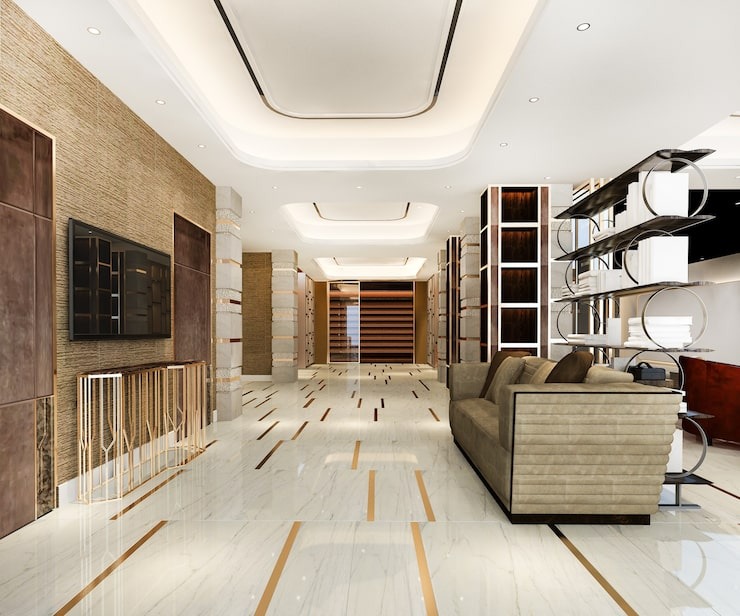
Choosing the right tile size can significantly influence the appearance, proportion, and functionality of an interior. Large-format tiles create broad visual surfaces with fewer grout lines, while standard tiles offer greater flexibility for detailed layouts, smaller areas, and traditional patterns. The right option depends on the room size, design style, installation requirements, and the visual effect a homeowner or designer wants to achieve.
Large-format and standard tiles each have their own strengths. Large formats can make surfaces look more continuous and contemporary, while standard tiles can provide greater flexibility for compact spaces and intricate layouts. Understanding these differences helps architects, interior designers, contractors, and homeowners select a suitable surface for kitchens, bathrooms, living rooms, bedrooms, commercial areas, and other spaces.
What Are Large-Format and Standard Tiles?
Large-Format Tiles
Large-format tiles cover a greater surface area per piece than conventional tile sizes. They are designed to create broader visual planes and reduce the number of joints across a finished surface.
They can be used for:
- Living room floors
- Feature walls
- Kitchen surfaces
- Bathroom walls
- Commercial interiors
- Open-plan spaces
- Architectural feature areas
Their larger dimensions can emphasize patterns such as marble-inspired veins, stone textures, concrete effects, and other contemporary designs.
Standard Tiles
Standard tiles are available in more conventional dimensions and remain widely used across residential and commercial projects. Their smaller size can make them easier to arrange around corners, niches, curves, and smaller architectural sections.
Standard tiles can work particularly well for:
- Compact bathrooms
- Small kitchens
- Bedrooms
- Utility areas
- Decorative walls
- Traditional interiors
- Patterned installations
The choice therefore depends on more than appearance. Room dimensions, installation conditions, maintenance preferences, and design objectives all matter.
Large-Format vs. Standard Tiles: Key Differences
Number of Grout Lines
One of the clearest differences is the number of visible joints.
Large-format tiles cover more area per piece, so fewer tiles are required for the same surface. This reduces the number of grout lines and creates a more continuous appearance.
Standard tiles require more individual pieces, which naturally creates more joints. However, these joints can become an intentional part of the design when designers use contrasting grout, patterns, or decorative layouts.
Visual Appearance
Large formats generally create a clean and contemporary appearance. Fewer interruptions allow the material’s color and pattern to become more prominent.
Standard tiles create a more segmented visual effect. This can be useful when the design calls for geometric patterns, smaller decorative elements, or a traditional tiled appearance.
Neither approach is universally suitable. The desired visual character should guide the decision.
Room Proportion
Tile size can influence how a room feels.
Large-format surfaces can make an open area appear more expansive because fewer grout lines interrupt the visual field. Standard tiles may provide greater proportional flexibility in smaller or irregular rooms.
However, designers should not automatically assume that large tiles are unsuitable for small rooms. With careful layout planning, they can reduce visual fragmentation and create a clean appearance even in compact spaces.
Which Tile Size Works Better for Different Spaces?
Living Rooms
Large-format tiles often work well in living rooms because these spaces generally contain broad floor areas. Fewer joints can create a continuous floor surface that complements modern furniture and open-plan layouts.
A large surface can also allow stone-inspired or marble-inspired patterns to become a major design element.
Standard tiles remain useful when the interior requires decorative patterns, smaller visual modules, or a more traditional appearance.
Kitchens
Kitchens require careful coordination between flooring, walls, backsplashes, cabinetry, and countertops.
Large-format tiles can create a streamlined floor or feature surface and can visually connect different areas. Standard tiles can be useful for backsplashes and smaller sections where detailed patterns or easier cutting provide advantages. For countertop-focused projects, the right kitchen slab design can also help coordinate the surface with cabinetry, backsplash materials, and the overall kitchen aesthetic.
The choice should also consider cabinetry dimensions, corners, appliances, and installation conditions.
Bathrooms
Bathrooms often contain multiple architectural elements, including shower areas, niches, vanity sections, drains, and corners.
Large-format tiles can reduce grout lines and create a clean, spa-inspired appearance. They can work particularly well on expansive walls.
Standard tiles can provide flexibility around small niches, narrow sections, and complex layouts. They also offer opportunities for decorative patterns and contrasting designs.
Bedrooms
Bedrooms usually benefit from a calm and cohesive material palette. Large-format flooring can provide a broad, uninterrupted surface that works well with minimalist furniture and contemporary interiors.
Standard tiles can also work effectively when the design uses smaller patterns or a more traditional aesthetic.
Commercial Spaces
Hotels, offices, restaurants, retail stores, and reception areas often require surfaces that create a strong visual identity.
Large formats can provide dramatic feature walls, expansive floors, and contemporary architectural surfaces. Their reduced joint pattern can contribute to a polished appearance.
Standard tiles remain useful for areas where modular patterns, replacement flexibility, or smaller design elements are important.
Installation and Maintenance Considerations
Installation
Large-format tiles require careful handling because their size and weight can make transportation, positioning, cutting, and installation more demanding.
Professionals should evaluate:
- Substrate flatness
- Tile handling
- Adhesive compatibility
- Cutting requirements
- Joint positioning
- Room access
- Installation equipment
Standard tiles can generally provide more flexibility when installers need to work around complicated corners, small spaces, and irregular layouts.
Maintenance
Large-format surfaces have fewer joints, which can create a visually cleaner surface and reduce the amount of grout that requires regular attention.
Standard tiles contain more grout lines, which can become a more noticeable part of routine cleaning and maintenance. However, maintenance requirements depend on the specific tile, grout, installation, and environment.
How to Choose the Right Tile Format
Before selecting a format, consider these factors:
1. Room Size
Assess the dimensions and proportions of the room rather than selecting a tile based only on trends.
2. Design Style
Choose large formats for broad, contemporary surfaces or standard tiles for detailed, modular, and traditional layouts.
3. Surface Pattern
Large tiles can showcase expansive patterns effectively, while smaller tiles can create repeated or geometric designs.
4. Installation Conditions
Consider substrate quality, access, corners, openings, and the experience of the installation team.
5. Overall Material Coordination
Tile size should work with cabinetry, furniture, countertops, wall surfaces, lighting, and other interior elements.
How Lioli Ceramica Supports Modern Tile Design
Lioli Ceramica offers porcelain surfaces in different formats, designs, textures, and finishes for residential, commercial, and architectural applications. Its large-format solutions can help designers create visually continuous floors, walls, feature areas, kitchens, bathrooms, and other contemporary spaces.
By combining different surface aesthetics with large-format possibilities, Lioli Ceramica provides architects, interior designers, contractors, and homeowners with options for developing coordinated interiors. The brand’s porcelain surfaces can support both understated concepts and statement-making architectural designs.
Frequently Asked Questions
Are large-format tiles better than standard tiles?
Neither format works better for every situation. Large-format tiles suit broad, contemporary surfaces, while standard tiles can provide greater flexibility for smaller or detailed layouts.
Are large tiles suitable for small rooms?
Yes. Large tiles can reduce visual fragmentation and make a compact room appear more continuous. Proper layout planning remains important.
Do large-format tiles require fewer grout lines?
Yes. Because each tile covers more area, fewer pieces are needed, which generally reduces the number of visible grout joints.
Are standard tiles easier to install?
They can provide greater flexibility around small areas, corners, niches, and irregular spaces. Large formats require careful handling, substrate preparation, and installation planning.
Which tiles are suitable for modern living rooms?
Large-format porcelain tiles can work particularly well in contemporary living rooms because they create broad surfaces and allow patterns to become prominent design features.
Can large-format tiles be used in bathrooms?
Yes. They can create a clean appearance with fewer grout lines across bathroom walls and selected floor applications, subject to product specifications and proper installation.
Conclusion
Large-format and standard tiles both offer valuable design possibilities, but they create different visual and practical results. Large-format tiles can produce broad, continuous surfaces with fewer grout lines and are particularly effective for modern living rooms, open-plan areas, feature walls, and contemporary commercial spaces. Standard tiles offer greater flexibility for detailed layouts, smaller areas, decorative patterns, and spaces with complex architectural features.
Lioli Ceramica provides versatile porcelain surface solutions for architects, interior designers, contractors, and homeowners working across residential and commercial projects. With different formats, designs, textures, and finishes, Lioli Ceramica supports creative approaches to kitchens, bathrooms, living rooms, bedrooms, walls, floors, and feature areas. Selecting the right format ultimately depends on the room, installation conditions, design objective, and desired visual character.