
 Enfield Clinic Oman


HydraFacial Treatment has become a popular option for people who want smoother, brighter, and more refreshed-looking skin without extensive downtime. The treatment combines cleansing, exfoliation, extraction, and hydration in a structured facial procedure designed to improve the appearance and feel of the skin.
While the treatment itself is generally gentle, proper preparation can help the skin tolerate the procedure comfortably and may support better-looking results. A thoughtful pre-treatment routine can also reduce the likelihood of temporary sensitivity, redness, or irritation.
For anyone considering HydraFacial Treatment, knowing what to do—and what to avoid—before the appointment can make the experience more comfortable. The following guide explains how to prepare the skin, which skincare products may need to be paused, and what questions should be discussed with a qualified skincare professional.
What Is HydraFacial Treatment?
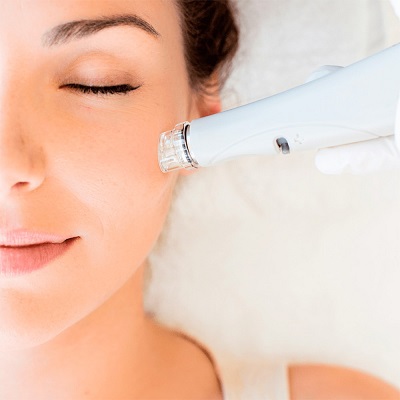
HydraFacial Treatment is a non-invasive facial procedure that typically uses a specialized device to cleanse and exfoliate the skin, remove surface impurities, perform gentle extraction, and infuse hydrating or skin-supporting solutions.
Unlike some aggressive resurfacing treatments, HydraFacial is generally designed to provide a refreshing treatment experience with little to no significant downtime. It may be considered by people concerned about dullness, uneven texture, clogged pores, excess oil, or dehydrated-looking skin.
The exact steps and solutions used can vary according to the individual’s skin condition and the treatment protocol. A skincare professional may also adjust the approach based on factors such as sensitivity, dryness, congestion, and the person’s overall skincare history.
Preparation is important because healthy, calm skin is usually better positioned to tolerate exfoliation and extraction. The goal before treatment should not be to aggressively “prepare” or scrub the skin, but rather to keep it clean, moisturized, and free from unnecessary irritation.
Start Preparing Several Days Before the Treatment
Skin preparation can begin several days before the scheduled HydraFacial appointment. One of the simplest approaches is to maintain a gentle skincare routine rather than introducing new products or intensive treatments.
A basic routine may include a mild cleanser, a suitable moisturizer, and broad-spectrum sunscreen during the day. These products can help maintain the skin barrier without unnecessarily increasing sensitivity.
It is also wise to avoid experimenting with unfamiliar skincare products shortly before the appointment. New acids, retinoids, peels, masks, or strong active ingredients can cause irritation that may make the skin more sensitive during treatment.
People with particularly reactive skin may want to discuss their normal skincare routine with the treatment provider beforehand. The provider can advise whether certain products should be paused and for how long.
The skin does not need to be completely free of oil or moisture before the appointment. In fact, excessively drying the skin in an attempt to “clean it out” can sometimes leave it uncomfortable and irritated.
Avoid Harsh Exfoliation and Irritating Products
One of the most important preparation steps is avoiding unnecessary irritation before HydraFacial Treatment.
Strong exfoliating products may include certain chemical exfoliants, retinoid-based products, abrasive scrubs, or intensive at-home peeling treatments. Depending on the individual’s skin and the products being used, these can increase sensitivity.
A person who regularly uses active ingredients should not automatically discontinue every product without guidance. Instead, the treatment provider should be informed about the products being used so an appropriate pre-treatment plan can be established.
Physical scrubbing should also be avoided close to the appointment. Using a rough exfoliating tool or aggressively rubbing the face does not provide an advantage before a professional exfoliation treatment. It may instead contribute to redness and irritation.
Waxing, threading, or other procedures that can make the facial skin sensitive may also need to be avoided shortly before treatment. The appropriate interval depends on the procedure, skin type, and treatment plan, so professional guidance is useful.
Keep the Skin Hydrated and Protected
Hydration is another important part of preparing for HydraFacial Treatment. Well-maintained skin can feel more comfortable during and after a facial procedure.
A gentle moisturizer can help support the skin barrier in the days leading up to treatment. However, heavy layers of unfamiliar products should not be added simply because the treatment is approaching.
Sun protection is equally important. Excessive sun exposure can leave the skin irritated, dry, or sensitive. Regular use of broad-spectrum sunscreen can help protect the skin and maintain a more consistent skincare routine.
It is particularly sensible to avoid intentional tanning or prolonged sun exposure immediately before a facial treatment. Sunburned or significantly irritated skin may not be appropriate for treatment until it has recovered.
A person who has recently experienced substantial sun exposure, peeling, or burning should mention this during the consultation rather than attempting to cover up the condition.
What to Do on the Day of HydraFacial Treatment
On the day of HydraFacial Treatment, the skin should generally be kept clean and comfortable.
Unless the treatment provider gives different instructions, arriving with a clean face can make the appointment easier. Heavy makeup, thick cosmetic layers, or multiple skincare products may need to be removed before treatment anyway.
A gentle cleanser can usually be sufficient for morning cleansing. There is no need to aggressively scrub the face before leaving for the appointment.
It is also helpful to tell the provider about any recent changes in the skin. New breakouts, unusual redness, irritation, cold sores, sunburn, or areas of broken skin may affect whether treatment should proceed.
People should also disclose relevant skincare treatments and procedures they have recently received. This may include chemical peels, laser treatments, microneedling, waxing, injectables, or other professional facial procedures.
Medication and skin-health information can also matter. Anyone using prescription skincare products or receiving treatment for a skin condition should discuss this with an appropriate healthcare professional or treatment provider before proceeding.
What Should Be Avoided Before HydraFacial Treatment?
Preparing the skin is often more about avoiding unnecessary irritation than adding complicated steps.
Several things may be worth avoiding shortly before the appointment:
- Aggressive facial scrubs
- At-home chemical peels
- Unfamiliar skincare products
- Excessive sun exposure
- Tanning
- Waxing or similar hair-removal procedures close to the treatment
- Picking or squeezing blemishes
- Strongly fragranced products if they irritate the skin
- Other intensive facial treatments without professional guidance
Picking at clogged pores or blemishes is particularly unhelpful. Attempting manual extraction at home can cause inflammation, irritation, or skin damage. Since extraction may already be part of HydraFacial Treatment, there is generally little reason to manipulate the skin beforehand.
It is also important not to assume that more exfoliation will produce better results. The treatment itself is designed to exfoliate the skin, so excessive pre-treatment exfoliation may simply make the skin more sensitive.
Who Should Take Extra Precautions?
Although HydraFacial Treatment is generally considered a gentle cosmetic procedure, it may not be appropriate for every person at every time.
Anyone experiencing an active skin infection, significant irritation, open wounds, severe sunburn, or another acute skin problem should discuss the condition with a qualified professional before receiving treatment.
People with highly sensitive or reactive skin may also benefit from a more individualized approach. A provider can determine whether adjustments are appropriate or whether postponing treatment would be safer.
Those who have recently undergone another cosmetic procedure should mention it before booking or attending a HydraFacial appointment. Different procedures can require different recovery periods, and combining treatments too closely may increase irritation.
Pregnancy, breastfeeding, allergies, prescription medications, and existing skin conditions may also be relevant depending on the products and solutions used during treatment. These circumstances should be discussed with a qualified healthcare professional when appropriate.
The safest approach is to provide complete and accurate information rather than assuming that a non-invasive treatment is automatically suitable in every situation.
What Can Someone Expect After HydraFacial Treatment?
Many people return to their usual activities after HydraFacial Treatment, although individual experiences can vary. The skin may look fresh, hydrated, and more radiant immediately afterward, while some people may experience temporary mild redness or sensitivity.
Following simple aftercare instructions can help maintain comfort. A gentle cleanser, moisturizer, and sunscreen are often useful components of a basic post-treatment routine.
It is generally sensible to avoid immediately overwhelming the skin with numerous active products. The treatment provider can recommend when normal exfoliating or active skincare products can be resumed.
Sun protection remains especially important. The skin should be protected from excessive UV exposure, and sunscreen should be used as part of regular skincare.
Results can also vary depending on the person’s skin condition, concerns, treatment protocol, and skincare habits. HydraFacial Treatment can support the appearance of cleaner, smoother, and more hydrated skin, but it should not be viewed as a replacement for appropriate treatment of underlying dermatological conditions.
Frequently Asked Questions
1. How many days before HydraFacial should someone prepare their skin?
A gentle skincare routine can be maintained in the days leading up to treatment. The exact time for stopping exfoliating products or other active ingredients depends on the individual’s skin and the products involved. The treatment provider can give personalized instructions.
2. Should retinol be stopped before HydraFacial Treatment?
Retinol and other retinoid products can sometimes increase skin sensitivity. Whether and when they should be paused depends on the person’s skincare routine and treatment plan. It is best to discuss retinoid use with the provider rather than making assumptions.
3. Can someone wear makeup before a HydraFacial appointment?
Makeup can generally be removed before treatment, but arriving with a clean face may make preparation easier. The provider can explain whether any specific cleansing instructions apply.
4. Can someone get a HydraFacial after being in the sun?
Significant sun exposure or sunburn can make the skin more sensitive and may mean that treatment should be postponed. Anyone with recently sun-exposed or irritated skin should inform the treatment provider before proceeding.
5. Is exfoliating at home necessary before HydraFacial Treatment?
No. Additional aggressive exfoliation is generally unnecessary because exfoliation is already part of the treatment process. Over-exfoliating beforehand may increase irritation and sensitivity.
6. What is the most important preparation step before HydraFacial Treatment?
Keeping the skin calm and avoiding unnecessary irritation is one of the most useful preparation strategies. A gentle routine, adequate hydration, sun protection, and honest communication about skincare products and recent treatments can help the provider determine the most appropriate approach.
Proper preparation can make HydraFacial Treatment a more comfortable and predictable experience. Rather than trying to aggressively cleanse or exfoliate the skin beforehand, the better strategy is usually to maintain a simple routine, protect the skin from the sun, avoid unnecessary irritation, and follow individualized instructions from a qualified professional.
Because every person’s skin is different, treatment preparation should be adjusted according to skin type, sensitivity, current products, recent procedures, and any underlying skin concerns. When there is uncertainty about whether the skin is ready, professional advice is preferable to experimenting at home.
Read More About HydraFacial Treatment: https://my-website-a90f2y.webnode.page/l/hydrafacial-treatment-for-aging-skin-worth-trying/