
 taha421


Skin quality is an important factor in planning cosmetic body-contouring procedures. Although liposuction removes localised fat deposits, the skin must adapt to the reduction in volume beneath it. Factors such as elasticity, thickness, age, previous weight changes, and sun exposure can influence how the treated area looks after surgery.
People considering Liposuction in Riyadh should understand that the procedure is designed to improve body contours rather than directly remove excess skin. A surgeon evaluates the skin alongside fat distribution and overall body proportions to determine whether liposuction alone is likely to achieve the desired result. Understanding these factors before treatment helps patients develop realistic expectations and make informed decisions.
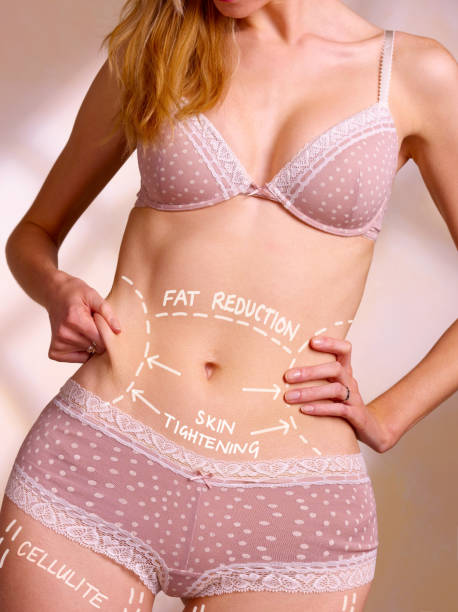
Why Skin Elasticity Matters in Liposuction
How Skin Adapts After Fat Removal
Skin elasticity refers to the skin’s ability to stretch and return towards its previous shape. After liposuction removes some of the underlying fat, the skin may gradually adjust to the new contour. When elasticity is good, this adaptation may occur more effectively, helping the treated area appear smoother.
However, skin response varies between individuals. Some people experience noticeable contraction, while others have residual looseness or unevenness. The outcome also depends on the amount of fat removed, the treatment area, and individual healing characteristics.
What Happens When Skin Elasticity Is Limited?
When skin has limited elasticity, it may not contract sufficiently after fat removal. This can leave folds, sagging, or loose skin more noticeable. Removing additional fat does not necessarily solve the problem and may sometimes make the looseness more apparent.
For this reason, surgeons assess skin quality before recommending treatment. If significant excess skin is present, they may discuss alternative or additional procedures rather than relying on liposuction alone. The most suitable approach depends on the patient’s anatomy, medical suitability, and desired outcome.
Factors That Influence Skin Quality
Age and Natural Changes
Skin changes naturally with age. Collagen and elastin, which contribute to skin strength and flexibility, can decline over time. These changes may affect how well the skin adapts after body contouring.
Age alone does not determine whether someone is suitable for liposuction. A younger person may have reduced elasticity, while an older individual may retain relatively good skin quality. The surgeon evaluates the actual condition of the skin rather than relying on age as the only indicator.
Previous Weight Changes
Significant weight fluctuations can stretch the skin, particularly around the abdomen, upper arms, thighs, and waist. After substantial weight loss, a person may have both localised fat deposits and excess skin. Liposuction can address selected fat deposits, but it does not reliably remove stretched or hanging skin.
Patients should discuss their weight history during consultation. Maintaining a relatively stable weight before surgery can make it easier to evaluate body contours and plan an appropriate treatment.
Sun Exposure and Lifestyle Factors
Long-term ultraviolet exposure can contribute to changes in skin structure and elasticity. Smoking and nicotine use can also interfere with healing and affect surgical recovery. Other individual factors, including genetics, nutrition, and general health, may influence skin condition.
Patients should follow their surgeon’s advice about smoking cessation, sun protection, nutrition, and pre-operative preparation. These measures cannot guarantee a particular result, but they can support general skin health and recovery.
How Skin Quality Affects Different Treatment Areas
Abdominal Liposuction
The abdomen is a common area for liposuction because localised fat may remain noticeable despite lifestyle efforts. If the abdominal skin has good elasticity, it may adapt more effectively after fat removal. However, pregnancy, major weight changes, or ageing can contribute to excess skin or abdominal muscle separation.
Liposuction does not correct separated abdominal muscles and cannot reliably remove significant loose skin. A surgeon may need to assess whether the concern is mainly caused by fat, skin laxity, or a combination of factors before recommending treatment.
Arms and Inner Thighs
The upper arms and inner thighs can be more challenging when skin elasticity is reduced. After fat removal, loose skin may remain visible, especially if the tissue has already stretched. This is why a careful examination is important before planning treatment in these areas.
The surgeon considers how much fat can be removed while maintaining a smooth contour. If skin laxity is substantial, other body-contouring options may be discussed. The decision should be based on realistic expectations and an understanding of the potential scars, risks, and recovery associated with any alternative procedure.
Waist and Back
Liposuction around the waist and back may help reduce localised fullness and improve transitions between neighbouring areas. Skin quality influences how smoothly these regions adapt after fat removal. If the skin cannot contract adequately, the result may include residual folds or contour irregularities.
A balanced treatment plan considers the waist and surrounding areas together. The goal is to improve overall proportions rather than remove the maximum possible amount of fat from an isolated region.
How Surgeons Assess Skin Before Treatment
During consultation, the surgeon examines skin elasticity, thickness, existing folds, fat distribution, and the overall contour of the treatment area. Medical history, previous operations, weight changes, and personal goals are also reviewed. These details help determine whether liposuction is suitable and whether another procedure may be more appropriate.
Patients should explain the results they hope to achieve and ask how their skin quality may influence the outcome. The consultation should also cover the proposed technique, anaesthesia, possible complications, recovery expectations, and follow-up care.
No assessment can guarantee exactly how skin will respond after surgery. A responsible treatment plan recognises this uncertainty and avoids promising perfect tightness or a specific body shape.
Preparing for Recovery and Supporting Skin Health
After liposuction, swelling, bruising, tenderness, and temporary changes in sensation may occur. Compression garments may be recommended to help manage swelling and support the treated areas during recovery. Patients should follow instructions regarding garment use, wound care, bathing, and activity restrictions.
Gentle walking may be encouraged when approved by the surgeon, while strenuous exercise should wait until medical clearance is provided. Balanced nutrition, hydration, avoiding nicotine as advised, and attending follow-up appointments can support general recovery.
The final contours become clearer as swelling subsides, sometimes over several months. Patients should seek medical advice for fever, worsening pain, rapidly increasing swelling, or other concerning symptoms. Chest pain or sudden difficulty breathing requires emergency medical attention.
Book a Consultation at Royal Clinic Saudi
Individuals considering Liposuction in Riyadh can consult Royal Clinic Saudi to discuss their body-contouring goals and learn how skin quality may affect their treatment plan. A professional assessment can help determine whether liposuction alone is appropriate or whether other options should be considered. Understanding skin elasticity, potential risks, and recovery expectations helps patients make informed decisions and develop realistic goals.
FAQs:
Why is skin elasticity important before liposuction?
Skin elasticity influences how well the skin may adapt after fat removal. Reduced elasticity can increase the likelihood of residual looseness or uneven contours.
Can liposuction tighten loose skin?
Liposuction primarily removes fat and does not reliably correct significant excess skin. A surgeon can assess whether another procedure may be more appropriate.
Does age determine whether I can have liposuction?
No. Age is one consideration, but skin quality, general health, fat distribution, and realistic expectations are also important when assessing suitability.
Can I improve my skin quality before liposuction?
Healthy habits, sun protection, balanced nutrition, and avoiding smoking can support general skin health. However, they cannot guarantee that loose skin will tighten after surgery.