
 Enfield Clinic Oman


Traveling can be an exciting experience, whether it involves a short business trip, a family holiday, or an extended international journey. However, for people using a Mounjaro Injection, traveling requires a little extra planning to maintain a consistent treatment routine. From storing the medication at the correct temperature to managing injection schedules across different time zones, a few practical precautions can help make the journey more comfortable and stress-free.
Mounjaro Injection is a prescription medication primarily used to improve blood sugar control in adults with type 2 diabetes. Depending on the country, approved product labeling, and individual circumstances, tirzepatide may also be prescribed for chronic weight management. Because the medication has specific storage requirements and is generally administered once a week, understanding how to travel with it is essential.
With appropriate preparation and guidance from a qualified healthcare professional, most people can plan trips without unnecessarily disrupting their treatment. Here is what travelers should know about carrying, storing, and using a Mounjaro Injection while away from home.
1. Understanding Mounjaro Injection Before Traveling
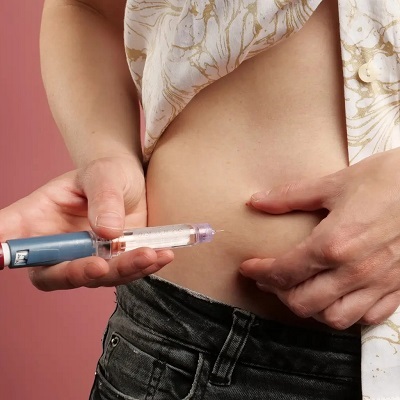
Mounjaro contains tirzepatide, a medication that acts on GIP and GLP-1 receptors. These actions help regulate blood glucose levels, influence appetite, and support other metabolic processes. It is administered as a subcutaneous injection, meaning the medication is injected under the skin rather than into a vein or muscle.
For many patients, Mounjaro is taken once weekly, usually on the same day each week. It can generally be administered at any time of day, with or without food, according to the prescribed instructions. This flexible timing can make travel planning easier, although maintaining a consistent routine remains important.
Before leaving home, travelers should check their prescribed dosage, the day of their next injection, and the number of doses required during the trip. They should also confirm whether their particular pen or vial has any product-specific handling requirements.
A pre-travel consultation can be especially useful for people planning long international flights, extended holidays, or journeys involving several time zones. A healthcare professional can explain how to manage the injection schedule, what to do if a dose is missed, and whether any additional precautions are necessary.
It is also important to remember that Mounjaro should not be shared with another person. Each injection device must be used according to its instructions, and needles should always be handled and disposed of safely.
2. How to Store Mounjaro Injection During Travel
Correct storage is one of the most important considerations when traveling with a Mounjaro Injection. Exposure to excessive heat, freezing temperatures, or unsuitable storage conditions may affect medication quality.
Refrigeration and temperature requirements
Unopened Mounjaro pens or vials should generally be stored in a refrigerator at 2°C to 8°C (36°F to 46°F). They must not be frozen, and medication that has been frozen should not be used.
The permitted period for keeping Mounjaro outside refrigeration depends on the product presentation and the instructions approved in the country where it was supplied. For example, US labeling for certain single-dose Mounjaro pens and vials permits storage at temperatures up to 30°C (86°F) for up to 21 days. Other presentations or country-specific packaging may have different instructions.
Travelers should therefore check the leaflet supplied with their exact medication rather than assume that every pen has identical storage limits. They should also confirm whether the permitted room-temperature period begins when the medication is first removed from refrigeration and whether it can be returned to the refrigerator under the applicable instructions.
Using an insulated travel case
An insulated medication case can help protect Mounjaro during journeys, especially when the weather is hot. However, insulation alone does not guarantee that the medicine will remain within the required temperature range.
If a cold pack is needed, the pen should be protected from direct contact with frozen materials. A frozen gel pack can make the medication too cold and potentially freeze it. A suitable protective barrier and a temperature-appropriate travel case can reduce this risk.
Travelers should avoid leaving the medication in a parked car, placing it beside a heater, or keeping it in direct sunlight. Temperatures inside vehicles and luggage compartments can rise quickly, even when the weather outside feels mild.
For longer trips, a temperature-monitoring device may help identify unexpected temperature changes. If the medication has been exposed to excessive heat or freezing conditions, the safest approach is to seek advice from a pharmacist or healthcare professional before using it.
3. Packing Mounjaro Injection for Flights and International Trips
Air travel introduces additional considerations because passengers may need to carry injectable medication, needles, and cooling supplies through airport security.
Keep medication in carry-on luggage
Mounjaro is generally best carried in hand luggage rather than checked baggage. Cargo compartments may expose medication to unsuitable temperatures, and checked luggage can be delayed, misplaced, or lost.
Keeping the medication nearby also allows travelers to access it when necessary and monitor its condition throughout the journey. The original packaging and pharmacy label can help demonstrate that the medication belongs to the traveler and has been prescribed for personal use.
It is sensible to carry a copy of the prescription or a medication letter, particularly when traveling internationally. Airport security requirements vary by country and airline, so checking the relevant rules before departure can prevent unnecessary delays.
Pack needles and supplies safely
Travelers should bring all necessary supplies, including the prescribed injection device, compatible needles where required, alcohol swabs if recommended, and an approved sharps container or suitable temporary sharps solution.
Used needles should never be placed loose in a handbag or ordinary waste bag. A proper sharps container helps prevent accidental needle-stick injuries and supports safe disposal when away from home.
For extended trips, carrying a reasonable supply of medication and essential accessories can provide reassurance if travel plans change. However, the quantity carried should comply with prescription, airline, and destination-country regulations.
International travelers should also check whether the destination has specific rules governing injectable medicines, prescription documentation, or the importation of medication. Some countries have restrictions that differ from those in the traveler’s home country.
4. Managing Your Mounjaro Injection Schedule Across Time Zones
Crossing time zones can make weekly medication schedules confusing, particularly when a traveler arrives several hours ahead of or behind their usual location.
Mounjaro is normally administered once a week, and the day of the weekly injection can be changed when necessary, provided at least 72 hours have passed between two doses. This flexibility can help travelers coordinate treatment with a different local schedule.
For example, a person who normally takes the injection on Monday may need to adjust the timing after traveling internationally. The appropriate approach depends on the last injection date, the intended next dose, and the prescribed treatment plan.
Travelers should not take an extra dose simply because the local calendar or clock has changed. Nor should they take two doses close together to compensate for a disrupted routine.
What happens if a dose is missed?
According to standard US prescribing instructions, a missed Mounjaro dose may be administered within four days (96 hours) of the scheduled time. If more than four days have passed, the missed dose should be skipped, and the next dose should be taken on the regularly scheduled day.
Only one dose should be taken per week, and doses must be separated by at least 72 hours. Travelers should verify the instructions supplied with their own medication, particularly if they use a product supplied outside the United States.
A reminder on a smartphone or a written medication schedule can make it easier to track injections while moving between destinations. Recording the date and time of each dose can also help prevent accidental duplication.
If there is uncertainty about changing an injection day or resuming treatment after a missed dose, a pharmacist or prescribing healthcare professional can provide individualized guidance.
5. Managing Side Effects, Meals, and Hydration While Traveling
Travel can change eating habits, sleeping patterns, and activity levels. These changes may be more noticeable for people using Mounjaro, especially during the first weeks of treatment or after a dosage increase.
Common side effects include nausea, diarrhea, constipation, vomiting, abdominal discomfort, and reduced appetite. These effects vary between individuals and may become inconvenient during long flights, road journeys, or sightseeing activities.
Choose meals carefully
Travelers who experience nausea may find smaller, more frequent meals easier to tolerate than large portions. Eating slowly and avoiding foods that trigger personal symptoms can also help. Very rich, greasy, or heavy meals may worsen digestive discomfort in some people.
Because Mounjaro can reduce appetite, travelers should still aim to eat balanced meals and obtain adequate nutrition. Skipping meals for long periods simply because hunger is reduced may leave some people feeling weak or unwell.
Stay adequately hydrated
Drinking enough fluids is particularly important when traveling in hot weather or spending long periods outdoors. Vomiting and diarrhea can increase the risk of dehydration, so symptoms should not be ignored.
People who also take insulin or certain other diabetes medications may have a higher risk of low blood sugar. They should follow their established blood glucose monitoring plan and carry appropriate treatment for hypoglycemia if advised by their healthcare professional.
Severe or persistent abdominal pain, especially when it spreads to the back, requires urgent medical assessment because pancreatitis is a potential serious adverse effect. Persistent vomiting, inability to keep fluids down, or signs of significant dehydration also warrant prompt medical attention.
People with diabetes should seek emergency help for symptoms of a severe allergic reaction, such as difficulty breathing or swelling of the face, lips, tongue, or throat.
Prepare for unexpected situations
Before traveling, it is helpful to identify how to access medical care at the destination and keep important medical information readily available. This is particularly valuable for travelers with diabetes or other conditions requiring regular treatment.
A change in routine does not automatically mean that Mounjaro treatment must be stopped. However, significant illness, severe gastrointestinal symptoms, or concerns about medication safety should be discussed with a qualified healthcare professional.
6. Essential Travel Checklist for Mounjaro Injection Users
A short checklist can help travelers prepare without making medication management unnecessarily complicated.
Before departure, travelers should:
- Confirm the date of the next weekly injection and review instructions for missed doses.
- Check the storage requirements for their exact Mounjaro product.
- Pack the medication in carry-on luggage using suitable protective packaging.
- Bring prescription documentation and retain the original labeled packaging when possible.
- Check airline security rules and destination-country medication regulations.
- Pack necessary injection accessories and arrange safe sharps disposal.
- Carry a supply of water, suitable snacks, and any recommended blood glucose monitoring equipment.
- Save relevant medical information and know how to access healthcare at the destination.
- Confirm that the medication has not expired and inspect it for unexpected changes before use, following the supplied instructions.
These precautions can make traveling with a Mounjaro Injection more manageable. They also help reduce the risk of missed doses, unsuitable storage, and avoidable treatment interruptions.
Ultimately, the most effective travel plan is one that accounts for the traveler’s individual treatment needs. People should follow their prescription, the official instructions for their particular medication, and any personalized advice provided before departure.
Frequently Asked Questions (FAQs)
1. Can a Mounjaro Injection be taken on a plane?
Yes. Travelers can generally carry prescribed injectable medication on a flight, subject to applicable airport security and airline rules. Keeping Mounjaro in carry-on luggage, retaining its labeled packaging, and carrying prescription documentation can help simplify screening. Travelers should check the requirements of their airline and departure, transit, and destination airports before flying.
2. Does Mounjaro Injection need to stay refrigerated during the entire trip?
Unopened Mounjaro generally requires refrigeration between 2°C and 8°C. Certain approved presentations allow limited room-temperature storage, but the permitted temperature and duration depend on the specific product and its labeling. Travelers should check their medication leaflet and avoid freezing the pen or vial.
3. What should someone do if a Mounjaro dose is missed while traveling?
Standard US instructions allow a missed dose to be taken within 96 hours of its scheduled time. After that period, the missed dose should be skipped, and the regular schedule resumed. At least 72 hours must separate doses. Travelers should confirm the instructions for their particular product and seek professional advice if the timing is unclear.
4. Can the day of a Mounjaro Injection be changed because of travel?
The weekly injection day can generally be changed if at least 72 hours have passed since the previous dose. Travelers should consider the last injection date and the planned next dose before making an adjustment. A healthcare professional can help establish an appropriate schedule for substantial time-zone changes or complicated travel plans.
5. What are the most common Mounjaro side effects during travel?
Common side effects include nausea, vomiting, diarrhea, constipation, reduced appetite, and abdominal discomfort. Changes in meals, hydration, and daily routines may make these symptoms harder to manage. Smaller meals and adequate fluid intake may help, but severe abdominal pain, persistent vomiting, or significant dehydration require prompt medical attention.
6. Can Mounjaro Injection be carried without a cooling bag?
A cooling bag is not always necessary for every journey because certain Mounjaro products permit limited storage at room temperature. However, the medication must remain within the temperature limits and time period specified for that product. In hot weather or during lengthy journeys, an appropriate insulated case may help protect it. The pen or vial should never be allowed to freeze or become excessively hot.
Read More About Mounjaro Injection: https://my-website-a90f2y.webnode.page/l/does-mounjaro-injection-work-without-lifestyle-changes/