
 walnutearlysupports


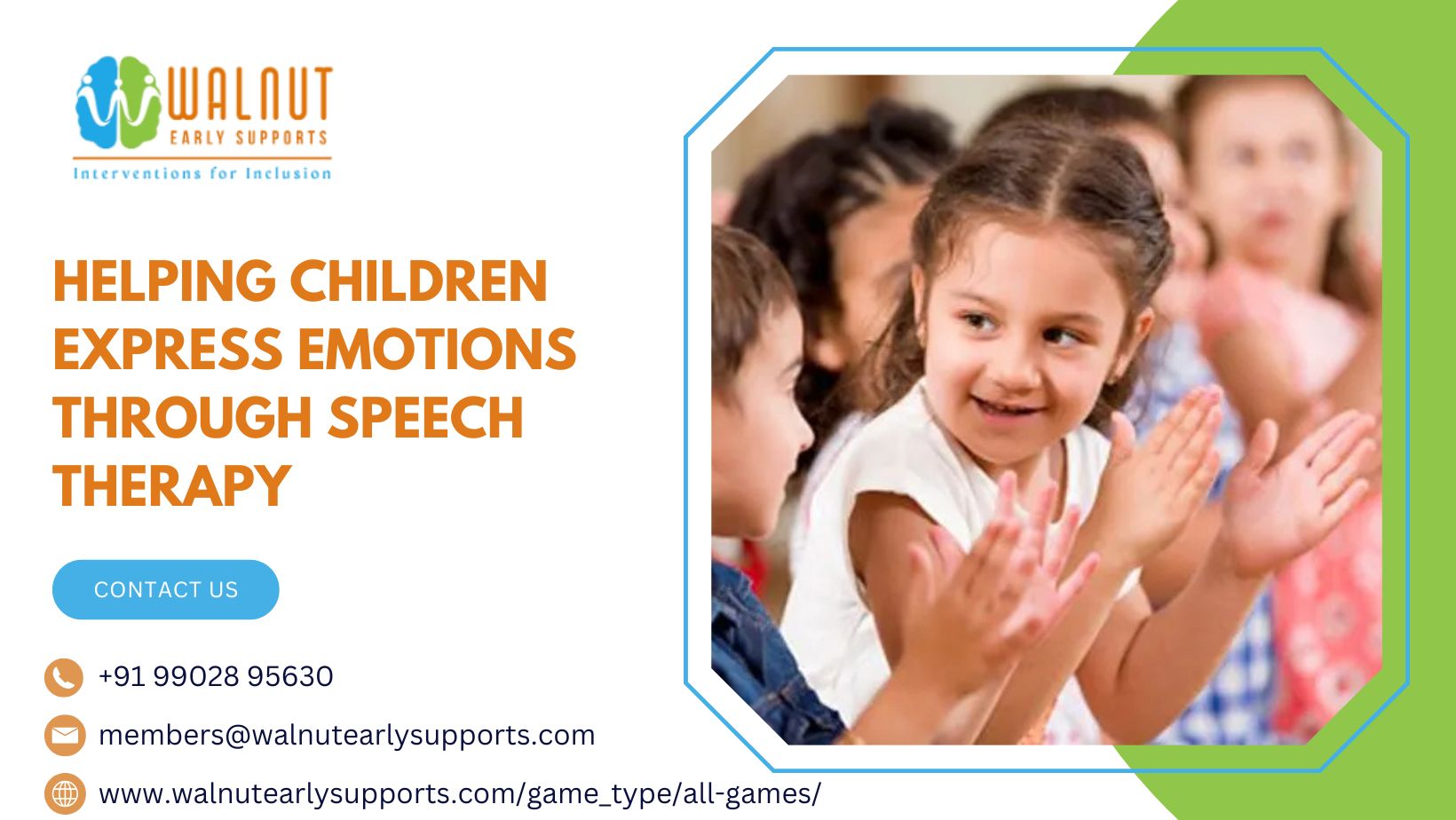 Every child experiences emotions such as happiness, excitement, sadness, frustration, and fear. However, not every child can express these feelings clearly. Children with speech and language difficulties may find it challenging to communicate what they are thinking or feeling, which can sometimes lead to frustration or behavioural challenges. This is where speech therapy plays an important role. Beyond improving communication, speech therapy helps children recognize, understand, and express their emotions in healthy ways, supporting social emotional development in children.
By developing better communication skills, children become more confident in sharing their thoughts, building relationships, and participating in everyday activities. Early support can make a lasting difference in both emotional well-being and communication success.
Why Emotional Expression Matters
Being able to express emotions is an essential life skill. Children who can describe how they feel are more likely to solve problems calmly, ask for help when needed, and build positive relationships with family members, teachers, and friends.
Strong social emotional development in children helps them understand their own emotions while learning to recognize the feelings of others. These skills improve cooperation, empathy, confidence, and resilience throughout childhood.
When communication challenges make emotional expression difficult, speech therapy provides practical strategies that help children develop these important abilities step by step.
How Speech Therapy Supports Emotional Expression
Speech-language therapists work on much more than pronunciation and vocabulary. Therapy sessions focus on helping children understand emotions, use appropriate words to describe feelings, and communicate effectively in different situations.
Children learn to replace frustration with communication by expanding their emotional vocabulary and practicing conversations in a supportive environment. As communication improves, children often become more confident in expressing themselves both at home and in school.
Therapists also use engaging speech therapy games to make learning enjoyable. Through play, children naturally practice speaking, listening, taking turns, and expressing emotions without feeling pressured.
Effective Speech Therapy Activities for Emotional Growth
Building an Emotional Vocabulary
Many children know basic words like “happy” or “sad,” but they may struggle to describe more complex emotions such as nervous, disappointed, proud, or worried.
Therapists introduce new feeling words using pictures, stories, and real-life examples. As children learn to identify different emotions, they become better at communicating their experiences.
Using Stories to Explore Feelings
Storybooks provide excellent opportunities to discuss emotions. After reading a story, therapists encourage children to talk about how different characters feel, why they feel that way, and how they might solve problems.
These conversations strengthen language skills while encouraging empathy and emotional awareness.
Role-Playing Everyday Situations
Role-playing helps children practice expressing emotions in realistic situations. They may pretend to ask for help, apologize to a friend, or explain why they feel upset.
These social emotional skills activities allow children to rehearse positive communication strategies they can later use in real life.
Learning Through Play
Play encourages children to communicate naturally while developing confidence. Many therapists include social emotional learning games that involve sharing, teamwork, listening, and problem-solving.
These activities create enjoyable learning experiences where children practice emotional regulation alongside communication skills.
Supporting Emotional Development at Home
Parents play an important role in helping children apply therapy skills outside the clinic. Everyday conversations provide valuable opportunities to encourage emotional expression.
Simple habits such as asking children about their day, discussing feelings during storytime, naming emotions during daily routines, and encouraging open conversations help strengthen communication.
Parents can also use quality speech therapy materials to continue practicing emotional vocabulary and conversation skills at home. Regular practice helps children transfer what they learn during therapy into everyday life.
Building Confidence Through Communication
Children who struggle to express themselves may avoid conversations or social situations because they fear being misunderstood. As communication skills improve, children often become more willing to participate in classroom discussions, make friends, and share their ideas.
Developing social emotional skills for kids is not about teaching perfect behavior. It is about helping children communicate their emotions appropriately, understand others, and respond positively during everyday interactions.
When children feel heard and understood, their confidence continues to grow.
Choosing the Right Therapy Resources
Every child has unique strengths and learning needs. Effective therapy combines engaging activities, structured practice, and consistent encouragement from both therapists and families.
Trusted providers such as Walnut Early Supports offer practical resources designed to support communication, emotional understanding, and language development through child-friendly activities that make learning meaningful and enjoyable.
Conclusion
Helping children express emotions is an important part of healthy communication development. Speech therapy gives children the language and confidence they need to talk about their feelings, solve problems, and build stronger relationships.
Supporting social emotional development in children through speech therapy benefits every area of a child’s life—from family conversations to classroom participation and friendships. With early intervention, engaging activities, and ongoing support from parents and therapists, children can develop the communication skills they need to express themselves confidently and thrive in everyday situations.


