
 iraj89


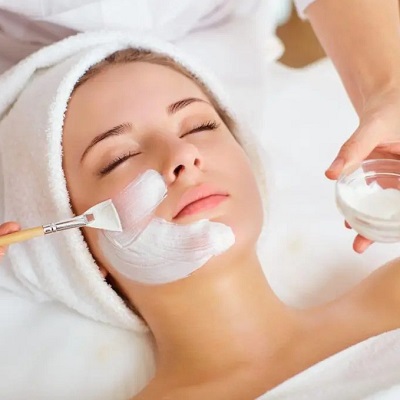
Oily skin can be frustrating. Makeup melts, pores look enlarged, and breakouts show up at the worst times. Cleansers and toners may help for a while, but when oil production remains stubborn, many people start looking for more targeted options — and chemical peels are one of the most reliable choices.
More patients are choosing Chemical peel in islamabad because these treatments gently exfoliate, balance oil, and refresh the complexion without surgery or long downtime. If you’ve been wondering whether a chemical peel is right for your oily skin, this comprehensive guide explains everything you need to know.
Why Oily Skin Happens:
Oily skin is caused by overactive sebaceous glands. These glands produce sebum — the natural oil that protects and lubricates the skin. When they produce too much, problems can appear:
shiny, greasy skin
clogged pores and blackheads
frequent acne breakouts
enlarged-looking pores
uneven skin texture
Hormones, genetics, stress, diet, and even harsh skincare products can all make oil production worse. That’s why treating oily skin isn’t just about drying it out — it’s about balancing it.
How Chemical Peels Help Oily Skin:
Chemical peels use controlled exfoliating solutions (such as salicylic, glycolic, lactic, mandelic, or TCA) to remove dead cells that trap oil and bacteria inside pores.
Here’s what they do specifically for oily skin:
dissolve excess oil inside pores
reduce blackheads and whiteheads
minimize the look of enlarged pores
calm acne-causing inflammation
improve skin texture and clarity
encourage healthier cell turnover
Unlike harsh scrubs, peels work deeper, more evenly, and more safely when performed by a trained practitioner.
Best Types of Chemical Peels for Oily Skin:
Not every peel is right for every skin. For oily and acne-prone skin, professionals commonly recommend:
Salicylic Acid Peels:
Oil-soluble and perfect for clogged pores. They penetrate deeply to clear congestion and reduce breakouts.
Glycolic Acid Peels:
Ideal for dull, uneven, oily skin with early aging concerns. They brighten and smooth while improving texture.
Mandelic or Lactic Peels:
Gentler options for sensitive or combination skin — great when you need balance without irritation.
Combination Peels:
Custom blends target oil, acne, and pigmentation at the same time, offering more comprehensive results.
Your practitioner will select the safest strength and frequency depending on your skin type and sensitivity.
What to Expect During a Chemical Peel:
A typical appointment includes:
Skin cleansing and preparation
Application of the peel solution
Mild tingling, warmth, or tightness
Neutralizing and soothing the skin
Post-treatment protection and instructions
Light flaking can occur over the next few days — a normal part of the renewal process.
Are Chemical Peels Safe for Oily Skin?
Yes — when professionally customized.
Most oily skin types respond beautifully to peels. However, safety depends on:
choosing the right acid and strength
spacing sessions correctly
honest consultation about medications and skin history
following aftercare carefully
Over-treating oily skin at home or using strong peels without guidance can actually trigger more oil and irritation. Professional supervision makes all the difference.
How Many Sessions Do You Need?
For oily skin, peels are usually performed in a series.
Light peels: every 3–4 weeks
Medium peels: spaced farther apart
Most people notice improvement after 1–2 sessions, with more dramatic clarity after 3–6 sessions, followed by maintenance as needed.
Your skin goals, lifestyle, and tolerance will guide the schedule.
Understanding Chemical Peel Cost:
One of the most common questions patients ask is about Chemical peel cost. Prices vary depending on:
type of peel used
strength and depth
number of sessions needed
clinic expertise and hygiene standards
follow-up skincare or add-on treatments
Choosing the cheapest option isn’t always the safest. A knowledgeable specialist prioritizes both results and skin health.
Aftercare Tips for Oily Skin:
Good aftercare ensures smoother healing and longer-lasting results:
Avoid direct sun exposure for at least 1–2 weeks.
Wear sunscreen daily — oil-free formulas are ideal.
Moisturize (yes, even oily skin needs hydration).
Skip scrubs, retinoids, and harsh actives until cleared.
Never peel or pick at flaking skin.
Balancing oil requires consistency — not aggression.
Myths About Chemical Peels for Oily Skin:
“Peels will thin my skin.”
Peels actually encourage healthier renewal — they don’t thin skin when used correctly.
“Oil disappears forever.”
Peels help balance oil production, but your skin type remains. Maintenance treatments and good skincare help keep results steady.
“Only strong peels work.”
Often, repeated light peels deliver safer, better results than one aggressive treatment.
Choosing the Right Clinic Matters:
The expertise of your provider determines how safe and effective your peel will be. Look for clinics that:
evaluate your skin thoroughly
explain realistic expectations
personalize peel strengths
provide clear aftercare guidance
Many people place their trust in reputable centers such as royal cosmetic surgery, where trained professionals assess skin type, tailor treatments, and support you throughout the process.
Final Thoughts:
For oily, breakout-prone, or congested skin, chemical peels are a powerful way to restore balance, reduce shine, and improve overall clarity. When chosen wisely and performed by a qualified expert, they help unclog pores, smooth the surface, and reveal fresher, healthier-looking skin.