
 amaragomez


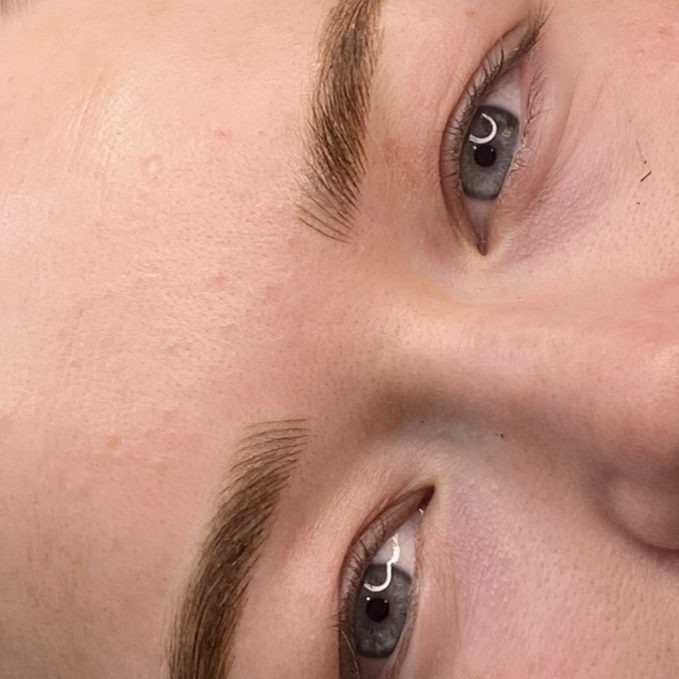
Well-shaped eyebrows have the power to alter the face’s symmetry, frame your eyes, and limit the amount of time you spend putting on makeup each day. This is one reason why microblading brows has become such a popular tattoo technique in recent years among people who want fuller, defined eyebrows without the need for pencils or powders every morning.
However, microblading isn’t ideal for everyone. Skin type, age, pore size, lifestyle habits, and even past beauty procedures can impact results. Here’s what people should know to identify whether it is right for them.
What is microblading?
Microblading is a semi-permanent tattooing technique that creates thin, hair-like strokes to enhance your eyebrows. The procedure involves using a hand-held tool with small needles to deposit pigment into your skin.
It is different from traditional eyebrow tattooing because it creates softer strokes that blend with your natural hairs. The healed result should enhance your natural brows, creating a fuller look. However, everyone’s skin is different, which can impact pigment deposit and longevity.
Normal to dry skin often heals best
If you have normal to dry skin, you will likely experience the best healing after microblading. Normal skin holds pigment better than oily skin, which allows those tiny hair strokes to heal into well-defined strokes. Dry skin produces less oil than other skin types, which helps the pigment stay sharp longer. In some cases, microbladed results on dry skin can show more visible hairstrokes and take longer to fade.
Microblading isn’t impossible with oily skin
Having oily skin doesn’t mean you can’t get microbladed eyebrows. You may just find that your healed results aren’t as crisp as someone with dry skin. Oil can spread the pigment during the healing process, making the strokes look softer over time. People with larger pores may also find that their microbladed eyebrows don’t look as crisp as desired.
If you have very oily skin, talk to your technician about alternative tattooing techniques. Nano brows and combination brows use larger needles to deposit pigment. These methods may last longer for people with oily skin.
Mature skin needs a gentle technique
Aging skin can still achieve gorgeous results with microblading, but there are precautions to keep in mind. As we get older, our skin becomes thinner, less elastic, and more fragile.
Fine lines and sun damage can also affect pigment retention. Microblading with softer strokes and less pressure often yields natural-looking results on mature skin. Talk to your technician about your skin concerns. Some individuals will benefit from a shading technique rather than precise hair strokes.
Existing brow hair helps
If you already have some brow hair, you are considered a good candidate for microblading. The tattooed strokes will look natural and blend with your current hair. It is great for covering patchy areas of hair loss and creating a fuller eyebrow look. Tattooed hairs can help balance uneven eyebrows and cover spots where you may overpluck or have sparse hair due to aging. People with no eyebrow hair can still get microbladed brows; they will just be more visible on their own.
Your lifestyle affects longevity
How long your microbladed eyebrows last will partly depend on your lifestyle. Sun, sweat, frequent swimming, and abrasive skincare routines can accelerate pigment fading. If you spend a lot of time outdoors or sweat heavily at the gym, you may need touch-up appointments more often to maintain your brows. Also, acne medications, retinol, and products with acids or exfoliants can speed up fading. Make sure to follow aftercare instructions to help your microbladed eyebrows last longer.
Certain skin conditions may limit suitability
Skin conditions such as eczema, psoriasis, rosacea, and dermatitis in the eyebrow area can affect microblading. Since microblading is a tattoo, sensitive or broken skin may not heal properly or retain pigment very well. If your skin is prone to inflammation, it may not produce the sharp hair strokes you are looking for. If you tend to develop keloid scarring, then you may want to rethink getting your eyebrows done. Talk to a local technician about getting a patch test or consultation if you have skin concerns.
Previous work should be taken into consideration
If you’ve had previous work done on your brows and want them touched up or changed, you will need to get an assessment. Older tattoos or pigment will affect how new microbladed strokes look. Sometimes, the previous pigment needs to be lightened or removed before new strokes can be applied.
Choose the right brow technique
Just because microblading is popular doesn’t mean it will work for everyone. Your skin and brow texture play a huge part in what technique will work best for you. Someone with fine lines and mature skin will not get the same results as someone who doesn’t. Our skin produces oils, moves, and changes as we age. Whatever you do, try to avoid hopping on the latest beauty trends without consulting a professional.
Ideal candidates have realistic expectations, healthy skin around their brows, and don’t mind getting regular touch-ups. A custom consultation and thorough assessment of your skin is part of what makes a reputable cosmetic tattooing technician. They can help you determine which eyebrow technique will give you the most natural-looking, long-lasting results.