
 taha421


Choosing an aesthetic treatment for skin or hair concerns begins with understanding personal goals, identifying the underlying problem, and exploring suitable options. People may seek professional advice for uneven skin tone, rough texture, fine lines, thinning hair, or changes in scalp health. A consultation provides an opportunity to discuss these concerns, review medical history, and determine whether a proposed procedure is appropriate.
People researching Magellan plasma in Riyadh may want to know what happens before treatment and how a consultation can help them make an informed decision. Because plasma-based technologies differ in their methods and intended uses, the first step is to confirm the exact Magellan Plasma system being offered. A qualified healthcare professional should explain its purpose, available clinical evidence, possible risks, and suitability for the individual’s needs.
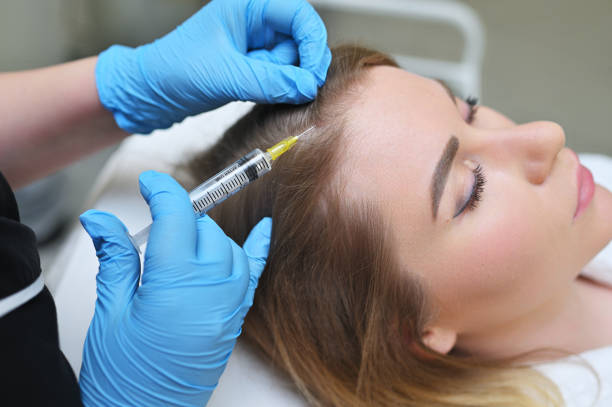
Discussing Your Skin and Hair Concerns
The consultation usually begins with a conversation about the concerns that prompted the appointment. Patients may want to improve skin texture, address visible pigmentation, understand hair shedding, or explore options for thinning hair. Explaining these goals clearly helps the practitioner identify what needs to be assessed.
Reviewing Skin Concerns
Skin concerns can include uneven pigmentation, fine lines, rough texture, dryness, and changes in firmness. The practitioner may ask when the issue began, whether it has changed over time, and whether previous treatments have helped.
Skin type, sun exposure, sensitivity, existing skincare products, and a history of irritation may also be relevant. These details help determine whether the concern requires a medical assessment or whether an aesthetic treatment may be appropriate. Not every skin condition responds to the same procedure, so identifying the cause is an important part of planning.
Reviewing Hair and Scalp Concerns
Patients seeking help with thinning hair or increased shedding may be asked about the duration and pattern of hair loss, family history, recent illness, stress, medication changes, and other health factors. The practitioner may examine the scalp for redness, flaking, inflammation, or areas of reduced density.
Hair loss can result from several conditions, and each may require a different approach. Sudden shedding, patchy hair loss, or hair loss accompanied by scalp pain or inflammation may require further medical evaluation before an aesthetic procedure is considered.
Medical History and Suitability Assessment
A review of medical history helps the practitioner evaluate potential risks and determine whether the proposed treatment is suitable. Patients should disclose relevant medical conditions, allergies, medications, previous procedures, and any active skin or scalp problems.
Some conditions or medications may affect healing, bleeding, or the risk of complications. Active infections and certain inflammatory conditions may require treatment or further assessment before a procedure. Patients should not stop prescribed medication unless advised by the clinician responsible for their care.
Confirming the Exact Magellan Plasma Technology
The term Magellan Plasma alone does not establish how a particular system works or what it can treat. Plasma-based procedures may use different methods, and their clinical applications are not interchangeable.
During consultation, patients should ask for the exact device or system name and an explanation of the procedure being proposed. They should also ask whether the technology has appropriate clinical evidence for their specific concern. This is especially important when a treatment is promoted for both skin rejuvenation and hair restoration, as evidence for one application does not automatically support another.
Understanding Expected Benefits and Limitations
A responsible practitioner should explain the potential benefits of the proposed procedure without guaranteeing a particular result. Skin texture, pigmentation, and hair thinning have different causes, so the likely outcome depends on the condition being treated and the individual’s response.
Patients should ask how improvement will be measured, when results might become noticeable, and whether multiple sessions may be recommended. They should also discuss established alternatives if the evidence supporting the proposed treatment is limited.
Planning a Personalized Treatment Approach
Once the assessment is complete, the practitioner can discuss a plan that reflects the patient’s goals and individual circumstances. The plan should explain why the proposed treatment may be appropriate and whether additional testing, medical care, or a different procedure is needed.
Planning for Skin Care
For skin concerns, treatment planning may involve discussing skincare routines, sun protection, and professionally recommended procedures. Depending on the diagnosis, options may include topical products, chemical peels, or selected laser treatments.
People considering Magellan plasma in Riyadh should confirm whether the exact technology is supported by evidence for their particular skin concern. The practitioner should explain the potential risks, recovery requirements, and alternative approaches before the patient decides whether to proceed.
Planning for Hair and Scalp Care
A hair care plan should reflect the cause and pattern of hair loss. Some people may benefit from established medical treatments, while others may need further investigation into nutritional, hormonal, or scalp-related factors.
Certain platelet-based treatments have been studied for selected types of hair loss, but their effectiveness varies. Patients should not assume that every plasma-based technology has the same evidence or purpose. The practitioner should clarify whether the proposed Magellan system is appropriate for the specific diagnosis and discuss other options when necessary.
Preparing for the Treatment Appointment
If a patient decides to proceed, the practitioner should provide clear preparation instructions. These depend on the exact procedure and may include guidance about skincare products, hair products, sun exposure, or activities to avoid before treatment.
Patients should ask whether they need to make any changes to their routine and confirm which instructions apply to their particular procedure. They should also understand the expected appointment duration, possible discomfort, recovery period, and follow-up schedule.
Informed consent is an important part of the process. Before treatment begins, patients should understand what will happen, the possible side effects, the expected benefits, and the available alternatives. They should have an opportunity to ask questions and make a voluntary decision.
Understanding Aftercare and Follow-Up
Aftercare varies according to the technology and treatment area. Following a facial procedure, instructions may include gentle cleansing, suitable moisturization, and daily sun protection. Patients may need to avoid irritating skincare products until the practitioner advises that they can be resumed.
After a scalp procedure, instructions may cover washing, exercise, and the use of hair products. Patients should follow the guidance provided for the exact procedure rather than relying on general aftercare advice.
Follow-up appointments help the practitioner monitor recovery and assess progress. Increasing pain, spreading redness, unusual discharge, or other concerning symptoms should prompt medical advice. If the expected improvement does not occur, the practitioner can review the plan and discuss appropriate alternatives.
Choosing a Qualified Provider in Riyadh
When considering an aesthetic or scalp treatment, patients should prioritize practitioner qualifications, appropriate hygiene standards, transparent communication, and evidence-based recommendations. A suitable provider should explain what the technology can realistically achieve and acknowledge areas where evidence is limited.
For people exploring Magellan plasma in Riyadh, a thorough consultation is an opportunity to clarify the exact system, review individual skin or hair concerns, and compare available treatment options. Taking time to understand the process can help patients make decisions based on safety, realistic expectations, and personal needs.
Conclusion
Understanding the consultation process for Magellan Plasma skin and hair care can help patients prepare meaningful questions and make informed treatment decisions. Reviewing medical history, identifying the cause of each concern, confirming the exact technology, and discussing evidence-based alternatives are essential steps before proceeding. Royal Clinic Saudi can be a starting point for discussing skin and hair care goals and exploring suitable options, with recommendations guided by professional assessment and individual circumstances.
FAQs:
What happens during a Magellan Plasma consultation?
The practitioner discusses your goals, reviews medical history, assesses the relevant skin or scalp concern, and explains the proposed procedure, risks, and alternatives.
Should I discuss my medications before treatment?
Yes. Disclose all relevant medications, supplements, allergies, and medical conditions so the practitioner can assess suitability and potential risks.
Will Magellan Plasma be suitable for both skin and hair concerns?
That depends on the exact system and the evidence supporting each application. Skin and hair concerns should be assessed separately.
What should I ask before agreeing to treatment?
Ask about the exact technology, clinical evidence, practitioner qualifications, possible side effects, expected recovery, likely outcomes, and alternative treatments.