
 Enfield Clinic Oman


A bulbous nose can be a natural facial feature that gives a person’s appearance its own character. However, some individuals may feel that a rounded, broad, or prominent nasal tip does not match their preferred facial proportions. For those considering a change, nose reshaping surgery can offer a way to refine the shape of the nose while maintaining a balanced and natural-looking appearance. Understanding the procedure, its benefits, potential risks, and recovery process can help individuals make informed decisions about their options.
Interest in Nose Reshaping Surgery in Muscat has grown among people exploring cosmetic procedures that may improve nasal definition and facial harmony. Before choosing surgery, it is important to understand what causes a bulbous nasal tip, which techniques may be suitable, and what realistic results can be expected. Every nose is different, so treatment should be based on individual anatomy, breathing function, skin thickness, and personal goals rather than a standard approach.
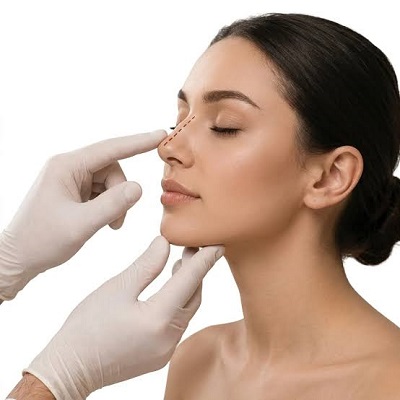
1. What Is a Bulbous Nose and What Causes It?
A bulbous nose generally refers to a nasal tip that appears rounded, wide, or less defined than the rest of the nose. The feature may be noticeable from the front, side, or three-quarter view. In some cases, the tip may look fuller because of the underlying cartilage, while in others, the thickness of the skin and soft tissue contributes to its appearance.
Several factors can influence the shape of a bulbous nose.
Nasal cartilage structure: The lower lateral cartilages help support the nasal tip. When their shape, size, or position creates a wider or more rounded contour, the tip may appear bulbous.
Thick nasal skin: Skin thickness can affect how clearly the underlying cartilage is visible. Thicker skin and soft tissue may conceal fine structural details, making the tip appear less defined.
Genetics: Nasal shape is largely influenced by inherited facial characteristics. A naturally broad or rounded nasal tip may have been present since childhood or become more noticeable as the face develops.
Soft tissue distribution: The amount and distribution of tissue around the nasal tip can contribute to its overall width and fullness.
Identifying the main cause is an important first step because not every bulbous nose requires the same surgical technique. A procedure that works well for one person may not produce similar results for another.
2. How Nose Reshaping Surgery Can Improve a Bulbous Nasal Tip
Nose reshaping surgery, also known as rhinoplasty, is a procedure designed to change the shape, proportions, or structure of the nose. When the primary concern is a bulbous tip, the surgical plan usually focuses on improving definition while preserving the nose’s stability and natural function.
Depending on the individual’s anatomy, a surgeon may adjust the shape or position of the cartilage that supports the nasal tip. Carefully placed sutures can help reshape cartilage and improve its contour. In selected cases, limited cartilage modification or grafting may be considered to provide better support and create a more balanced appearance.
The goal is not necessarily to make the nose smaller. Instead, the procedure aims to create a nasal tip that looks proportionate to the bridge, nostrils, and other facial features.
For individuals researching Nose Reshaping Surgery in Muscat, an important consideration is whether the proposed procedure addresses the actual cause of the rounded appearance. For example, removing too much cartilage may weaken the nasal tip or compromise its shape. A conservative, anatomy-focused approach can help reduce these concerns.
Surgical techniques may include:
- Tip refinement: Adjusting the shape and position of the cartilage to improve definition.
- Structural rhinoplasty: Modifying the supporting framework of the nose to improve contour and stability.
- Open rhinoplasty: Making a small incision across the tissue between the nostrils, allowing the surgeon to view the underlying nasal structures directly.
- Closed rhinoplasty: Making incisions inside the nostrils, which can be suitable for certain types of nasal reshaping.
The choice between open and closed rhinoplasty depends on the complexity of the correction, the surgeon’s assessment, and the individual’s anatomy. Neither approach is automatically better for every bulbous nose.
3. Who May Be a Suitable Candidate for Nose Reshaping Surgery?
Nose reshaping surgery may be an option for adults who are concerned about the appearance of a rounded nasal tip and want to explore a lasting change. However, suitability depends on more than appearance alone.
A potential candidate generally has fully developed nasal structures, is in suitable overall health, and understands both the benefits and limitations of surgery. Having realistic expectations is particularly important because rhinoplasty can improve proportions but cannot guarantee a specific appearance or perfect symmetry.
The following factors may be considered during an assessment:
Overall nasal anatomy: The width of the nasal tip, cartilage strength, skin thickness, and shape of the nasal bridge all influence the surgical plan.
Breathing function: A cosmetic procedure should account for the internal nasal structures. Existing breathing difficulties, a deviated septum, or nasal valve problems may require additional assessment.
Skin characteristics: Thick skin may limit how sharply the underlying cartilage becomes visible, even after technically successful surgery. Results may therefore be more subtle than expected.
Medical history: Previous nasal surgery, certain health conditions, medications, smoking, and a history of poor wound healing may affect treatment planning and recovery.
Personal expectations: A suitable candidate understands that healing takes time and that the final result may differ from digital simulations or idealized photographs.
A consultation provides an opportunity to discuss these factors, review the available options, and determine whether surgery is appropriate. In some cases, postponing surgery or choosing not to undergo a procedure may be the most suitable decision.
4. What to Expect Before, During, and After the Procedure
Understanding the surgical journey can help reduce uncertainty and make preparation easier. Although the details vary from person to person, rhinoplasty generally involves several stages.
Before Surgery
The process begins with a detailed consultation and examination. The surgeon evaluates the external shape of the nose, internal nasal structures, skin characteristics, and facial proportions. Photographs may be used to document the starting appearance and support discussions about realistic outcomes.
The individual may be asked about breathing problems, allergies, previous procedures, medications, and general health. Instructions may include avoiding certain medicines or supplements that increase bleeding risk, stopping smoking, and arranging transport and assistance for the initial recovery period.
Medication changes should always be discussed with the treating healthcare professional rather than made independently.
During Surgery
The procedure is generally performed under anesthesia, with the choice depending on the surgical plan and clinical circumstances. The surgeon reshapes the relevant cartilage and, where necessary, other nasal structures. The technique is selected according to the degree of refinement required and the need to maintain adequate structural support.
The duration of surgery varies with its complexity. More extensive corrections or procedures involving both appearance and breathing may require additional time.
After Surgery
Following surgery, swelling, bruising, tenderness, and temporary nasal congestion are common. A splint may be used to support and protect the nose during early healing. Some individuals also have internal dressings or other temporary supports, depending on the procedure.
Patients are usually advised to keep their heads elevated, avoid strenuous activity, protect the nose from accidental impact, and follow instructions about cleaning and medication. Blowing the nose, wearing glasses directly on the healing nasal bridge, or returning to exercise too early may be restricted.
Recovery instructions vary, so the surgeon’s guidance should take priority over general advice.
5. Recovery Time, Expected Results, and Potential Risks
Recovery after rhinoplasty happens gradually rather than all at once. Most noticeable bruising and swelling often improve over the first couple of weeks, although some swelling may remain for several months. The nasal tip can take longer to settle because it contains soft tissue that may retain swelling during the healing process.
A person may notice early improvements once the initial swelling decreases, but the final contour can take around a year or sometimes longer to become clear. Thick nasal skin may contribute to a more prolonged period of tip swelling.
It is important to avoid judging the outcome too early. Small changes in swelling can temporarily make the tip look wider, uneven, or less defined than expected.
What Results Can Be Expected?
The intended result is a more refined nasal tip that remains proportionate to the rest of the face. A successful outcome should also preserve nasal support and breathing function.
However, the extent of refinement depends on the original cartilage structure, skin thickness, healing response, and surgical technique. Thick skin, in particular, may limit the visibility of fine changes. No surgeon can guarantee perfect symmetry or an exact result.
What Are the Possible Risks?
Like any surgical procedure, rhinoplasty carries potential risks. These may include:
- Bleeding, infection, and adverse reactions to anesthesia.
- Persistent swelling, bruising, or temporary numbness.
- Scarring or changes in skin sensation.
- Asymmetry or dissatisfaction with the cosmetic result.
- Changes in nasal airflow or new breathing difficulties.
- A need for revision surgery if the result or nasal function is unsatisfactory.
Revision procedures can be more complex because the original anatomy has already been altered. Careful planning, appropriate surgical technique, and consistent follow-up may help reduce avoidable complications, but they cannot eliminate every risk.
Severe pain that worsens, heavy bleeding, fever, increasing redness, or significant breathing difficulties after surgery should be assessed promptly by a healthcare professional. Sudden or severe symptoms may require urgent medical attention.
6. Choosing Nose Reshaping Surgery in Muscat: Important Considerations
Choosing where and with whom to undergo rhinoplasty is an important part of the decision-making process. Individuals considering Nose Reshaping Surgery in Muscat can benefit from evaluating the qualifications, experience, communication style, and surgical approach of the professional responsible for their care.
A useful starting point is to confirm that the surgeon has recognized specialist training and appropriate licensing to perform the procedure. Experience with nasal tip refinement is particularly relevant when the main concern is a bulbous nose, as the cartilage must be reshaped without unnecessarily weakening the nasal framework.
During a consultation, individuals should feel comfortable asking questions about the proposed technique, expected improvements, possible limitations, and recovery requirements.
Important questions may include:
- What is causing the rounded appearance of the nasal tip?
- Which surgical technique may be appropriate for the individual’s anatomy?
- How could skin thickness affect the final result?
- What are the risks to nasal breathing and structural support?
- How long should work, exercise, and social activities be avoided?
- What follow-up care is included, and how are complications managed?
- Under what circumstances might revision surgery be considered?
It is also useful to review representative before-and-after photographs of comparable cases, while remembering that another person’s results cannot predict an individual’s outcome.
The decision should not be based solely on promotional images, online reviews, or the lowest advertised fee. A thorough consultation, clear communication, appropriate medical standards, and realistic expectations are more meaningful indicators of a well-considered treatment choice.
Nonsurgical treatments may sometimes create a temporary change in the appearance of certain nasal contours, but injectable fillers do not reduce the size of a bulbous tip. They can also carry serious risks, including vascular complications. Anyone considering an injectable alternative should understand that it is not equivalent to surgery and requires assessment by a suitably qualified professional.
Frequently Asked Questions
1. Can nose reshaping surgery permanently correct a bulbous nose?
Rhinoplasty can create lasting changes by reshaping the cartilage and supporting structures of the nasal tip. However, the nose continues to age, and healing varies between individuals. Although results are generally long-lasting, perfect symmetry or a permanently unchanged appearance cannot be guaranteed.
2. Is nose reshaping surgery suitable for people with thick nasal skin?
People with thick nasal skin may still be candidates. However, thicker skin can make fine cartilage changes less visible and may prolong swelling around the tip. A careful assessment helps establish what degree of refinement is realistic.
3. How long does it take to recover from bulbous nose rhinoplasty?
Many individuals experience improvement in bruising and the most noticeable swelling within the first few weeks. However, residual swelling, particularly around the nasal tip, can continue for several months. Final results may take approximately a year or longer to become apparent.
4. Does rhinoplasty for a bulbous nose affect breathing?
A properly planned procedure aims to preserve or improve nasal function, but changes to the cartilage and supporting structures can sometimes affect airflow. Discussing existing breathing problems before surgery is essential, and postoperative breathing changes should be reported to the treating professional.
5. Is nonsurgical treatment an alternative to surgery for a bulbous nose?
Nonsurgical treatments may create limited, temporary changes to certain contours, but they cannot remove excess tissue or reduce the actual size of the nasal tip. Injectable fillers add volume and may make the nose appear larger in some areas. Their suitability and risks require careful professional assessment.
6. How can someone choose the right approach to Nose Reshaping Surgery in Muscat?
The most appropriate approach depends on the individual’s anatomy, skin thickness, breathing function, medical history, and expectations. A consultation with an appropriately qualified and licensed surgeon can clarify the available techniques, potential risks, likely recovery period, and realistic results.
A bulbous nasal tip does not necessarily require correction, but individuals who feel concerned about its appearance can explore their options with reliable medical guidance. Understanding the cause of the rounded shape, learning about the surgical techniques, and allowing sufficient time for recovery can support a more confident decision. The best treatment plan is one that respects the individual’s facial proportions, prioritizes nasal function, and aims for a natural-looking result rather than an exaggerated change.
Read More About Nose Reshaping Surgery: https://my-website-a90f2y.webnode.page/l/what-are-the-different-types-of-nose-reshaping-surgery/