
 iraj89


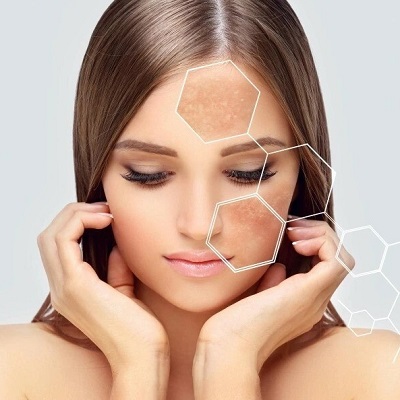
Melasma is a common skin condition that appears as dark, irregular patches on the face. It affects people of all ages and skin types, though it is more common in women and individuals with medium to darker skin tones. While melasma is not physically harmful, it can significantly affect self-confidence and appearance. Fortunately, modern dermatology offers multiple treatment options that can be tailored to different skin types, ensuring safe and effective results.
Understanding Melasma:
Melasma is a type of hyperpigmentation caused by the overproduction of melanin in the skin. This excess pigment accumulates in certain areas, resulting in visible dark patches. Melasma often appears on sun-exposed areas of the face, including the cheeks, forehead, upper lip, and nose.
Many individuals seek professional help for Melasma in Islamabad, where specialized clinics provide advanced treatments that target pigmentation while minimizing side effects.
Causes of Melasma:
Melasma does not have a single cause; rather, it results from a combination of internal and external factors:
Sun Exposure:
The most common trigger for melasma is ultraviolet (UV) radiation from the sun. UV rays stimulate melanocytes, the cells responsible for pigment production, causing existing patches to darken and new ones to form.
Hormonal Changes:
Hormonal fluctuations, such as those during pregnancy, menopause, or while taking oral contraceptives, can trigger melasma. This hormonal influence is why it is often referred to as the “mask of pregnancy.”
Genetics:
If melasma runs in your family, your skin is more prone to developing it. Genetic predisposition affects how your skin responds to sunlight and hormonal changes.
Certain Medications and Skincare Products:
Some medications and cosmetic products can irritate the skin or increase sensitivity to sunlight, contributing to the development or worsening of melasma.
Recognizing Melasma:
Melasma typically manifests as dark patches on the face. While it does not cause pain or itching, its cosmetic impact can be significant.
Common Symptoms:
Symmetrical dark patches on the cheeks, forehead, nose, or upper lip
Gradual darkening over time
Worsening with sun exposure
No physical discomfort
Types of Melasma:
Epidermal Melasma: Affects the top skin layer and responds well to treatment
Dermal Melasma: Deeper pigmentation that is harder to treat
Mixed Melasma: Combination of both epidermal and dermal layers
Accurately identifying the type of melasma is crucial for selecting the most effective treatment.
Diagnosis of Melasma:
A dermatologist usually diagnoses melasma through a visual skin examination. In some cases, a Wood’s lamp may be used to determine pigment depth, which helps in planning the most effective treatment. Proper diagnosis ensures safety and enhances results.
Treatment Options for All Skin Types:
Treating melasma requires a comprehensive approach, combining professional procedures, topical treatments, and preventive measures. The ideal treatment plan depends on skin type, melasma severity, and patient goals.
Topical Treatments:
Prescription creams are commonly used to treat melasma. Ingredients such as hydroquinone, retinoids, azelaic acid, and kojic acid help reduce pigmentation and improve skin tone. These creams are generally safe for all skin types when used under dermatological guidance.
Chemical Peels:
Chemical peels exfoliate the outer skin layer, removing excess pigmentation and promoting skin renewal. Superficial to medium-depth peels are suitable for various skin types, though darker skin tones require careful monitoring to prevent post-inflammatory pigmentation.
Laser and Light-Based Therapies:
Laser treatments target pigment at deeper skin levels. Non-ablative lasers, Q-switched lasers, and fractional lasers can be used depending on skin type and pigmentation depth. These procedures should be performed by skilled dermatologists to minimize risks.
Cost Considerations:
Treatment costs vary depending on the type of therapy, number of sessions, and severity of melasma. Understanding the Melasma cost in Islamabad helps patients plan for multiple sessions and choose a suitable treatment plan.
Lifestyle Changes and Prevention:
Prevention is key to reducing melasma recurrence.
Daily use of broad-spectrum sunscreen
Wearing hats and protective clothing outdoors
Avoiding harsh skincare products and procedures
Maintaining a gentle skincare routine
Following dermatologist’s aftercare recommendations
These steps help protect the skin from UV damage and keep pigmentation under control.
Why Professional Treatment Matters:
Over-the-counter treatments may provide temporary relief, but professional care ensures long-lasting results. A qualified dermatologist can:
Accurately diagnose the type and severity of melasma
Recommend safe and effective treatments based on skin type
Monitor progress and prevent side effects
Provide maintenance therapy to reduce recurrence
Choosing a reputable clinic guarantees advanced technology, experienced specialists, and personalized care. For comprehensive melasma treatment and expert guidance, Royal cosmetic surgery clinic offers specialized therapies tailored to every skin type.
Conclusion:
Melasma affects individuals of all skin types but can be effectively managed with a combination of professional treatment and preventive measures. Early intervention, proper diagnosis, consistent sun protection, and customized therapies are the keys to achieving clearer, even-toned skin. Seeking professional care ensures safe and effective results, helping patients regain confidence and maintain healthy, radiant skin.