
 Enfield Clinic Oman


Microdermabrasion is a popular non-invasive skin treatment that helps improve skin texture, remove dead skin cells, and promote a smoother, more refreshed appearance. It is often chosen by people who want brighter-looking skin without the extended recovery time associated with more intensive cosmetic procedures. However, achieving the best results depends on several factors, including skin type, individual concerns, treatment intensity, and the frequency of sessions.
One of the most common questions people ask before trying this treatment is how often they should get Microdermabrasion. While some individuals may benefit from regular sessions spaced several weeks apart, others may need fewer treatments to maintain healthy-looking skin. Scheduling sessions too frequently can irritate the skin, making it important to follow a suitable treatment plan.
Understanding how microdermabrasion works, how often it can be performed, and what to expect afterward can help individuals make informed decisions about their skincare routine.
1. What Is Microdermabrasion and How Does It Work?
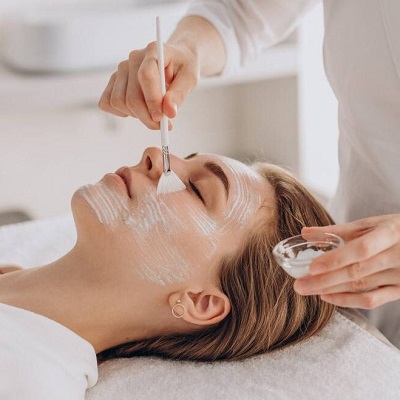
Microdermabrasion is a non-surgical cosmetic procedure that gently exfoliates the outermost layer of the skin. A specialized device typically uses fine crystals or a diamond-tipped surface to loosen and remove dead skin cells. Some devices also use suction to collect the exfoliated cells and debris.
By removing the buildup of dead skin cells, microdermabrasion can help improve the appearance of several common skin concerns, including dullness, uneven texture, mild discoloration, and superficial acne marks. It may also make the skin feel softer and look more radiant.
Unlike more aggressive resurfacing procedures, microdermabrasion generally causes minimal disruption to daily activities. Most people can return to their usual routines shortly after treatment, although temporary redness, sensitivity, or dryness may occur.
It is important to understand that microdermabrasion primarily targets the skin’s surface. It does not remove deep acne scars, significantly tighten loose skin, or eliminate pronounced wrinkles. Results are generally subtle and improve gradually with an appropriate series of treatments.
2. How Often Should You Get Microdermabrasion?
For many people, microdermabrasion sessions are commonly scheduled every two to four weeks. This interval allows the skin time to recover between treatments while providing regular exfoliation to support a smoother, brighter appearance.
However, the ideal frequency is not the same for everyone. A person with relatively resilient skin and mild concerns may tolerate treatments at shorter intervals, while someone with sensitive skin may need longer breaks between sessions.
For those trying microdermabrasion for the first time, starting with a conservative schedule is often a sensible approach. The skin’s response can then guide future appointments.
The following general guidelines may help explain how treatment frequency can vary:
- For general skin maintenance: A session every four to six weeks may be sufficient for some individuals.
- For dullness and uneven texture: Treatments every two to four weeks may be considered during an initial series, depending on skin tolerance.
- For occasional skin refreshment: A single session before a special occasion may be suitable, provided the skin has enough time to recover.
- For sensitive or easily irritated skin: Longer intervals or an alternative exfoliation method may be more appropriate.
These intervals are general examples rather than universal recommendations. The right schedule depends on the treatment’s intensity, the condition of the skin, and how quickly irritation resolves.
More frequent treatments do not necessarily produce better results. Excessive exfoliation can weaken the skin’s protective barrier, leading to redness, tightness, dryness, burning, and increased sensitivity. A balanced schedule is more beneficial than trying to accelerate results through repeated sessions.
3. How Many Microdermabrasion Sessions Are Needed to See Results?
The number of sessions required depends on the skin concern being addressed and the results a person hopes to achieve. Some individuals notice a difference in skin smoothness and brightness after just one treatment, while others need a series of sessions to see more noticeable improvements.
For general skin rejuvenation, a course of approximately four to six sessions is sometimes used, with appointments spaced a few weeks apart. More sessions may be suggested in selected cases, but the treatment plan should be adjusted according to the skin’s response.
A typical treatment journey may include the following stages:
After the first session: The skin may feel softer and appear fresher. These immediate changes are usually related to surface exfoliation and may be temporary.
After several sessions: Some people notice more consistent improvements in skin texture, mild unevenness, and overall radiance. The degree of improvement varies from person to person.
During maintenance: Once the desired appearance is achieved, occasional treatments may help maintain the results. The interval may range from several weeks to a few months, depending on individual needs.
It is also important to maintain realistic expectations. Microdermabrasion cannot guarantee the removal of acne scars, deep wrinkles, or stubborn pigmentation. Conditions involving deeper layers of the skin may require a different approach.
Rather than committing to a fixed number of treatments from the beginning, individuals should assess their progress throughout the process. If the skin becomes persistently irritated or the expected improvements do not occur, the frequency and suitability of treatment should be reconsidered.
4. What Factors Affect Microdermabrasion Frequency?
Several factors determine how often microdermabrasion can be performed safely and effectively. Understanding these considerations helps individuals avoid unnecessary irritation and choose a schedule that supports their skincare goals.
Skin type and sensitivity
People with resilient skin may tolerate regular exfoliation better than those who experience frequent redness, dryness, or stinging. Sensitive skin may require longer recovery periods, gentler treatment settings, or a different skincare option altogether.
Individuals with rosacea, active eczema, dermatitis, or other inflammatory skin conditions should seek appropriate professional advice before considering microdermabrasion. The procedure may aggravate certain conditions, particularly when the skin is already inflamed.
The skin concern being treated
Mild dullness and rough texture may respond to a relatively simple treatment plan. More persistent concerns, such as acne marks or uneven pigmentation, can be more complex.
Microdermabrasion may help improve the appearance of superficial discoloration, but it is not a universal solution for pigmentation disorders. Repeated treatments without a clear benefit may increase irritation rather than improve the concern.
Treatment intensity
The strength and technique of exfoliation can affect recovery time. More intensive sessions may leave the skin temporarily red or sensitive, requiring a longer interval before another treatment.
A qualified skincare professional should consider the individual’s skin condition and treatment history when determining the appropriate intensity.
Current skincare products
Certain skincare ingredients can increase sensitivity when used alongside exfoliating procedures. These may include retinoids, exfoliating acids such as glycolic acid and salicylic acid, and other products that can irritate the skin.
Individuals should discuss their current skincare routine before treatment rather than automatically stopping or continuing every product. Recommendations may differ according to the product, skin condition, and procedure intensity.
Sun exposure and lifestyle
Frequent sun exposure can contribute to irritation, uneven pigmentation, and premature skin aging. Protecting the skin from ultraviolet radiation is especially important after exfoliation.
Daily broad-spectrum sunscreen, shade, and protective clothing can help support recovery and protect the results of a skincare routine.
5. What to Expect Before and After Microdermabrasion
Preparing the skin properly and following aftercare instructions can help reduce discomfort and support recovery.
Before the treatment
The skin should be assessed for active irritation, infections, open wounds, and other conditions that could make exfoliation unsuitable. Recent cosmetic procedures and the use of prescription skincare products should also be discussed.
Depending on the individual’s routine and the treatment planned, a professional may recommend temporarily avoiding certain exfoliating products. Harsh scrubs, aggressive cleansing, and unnecessary skin irritation are best avoided before the appointment.
The skin should be clean and free from heavy makeup when required by the treatment provider.
Immediately after the treatment
Mild redness, tightness, dryness, or sensitivity may occur. These effects are generally temporary, but the skin should be treated gently while it recovers.
A simple aftercare routine may include:
- Using a mild, non-irritating cleanser.
- Applying a gentle moisturizer to support the skin barrier.
- Wearing broad-spectrum SPF 30 or higher sunscreen.
- Avoiding harsh scrubs and unnecessary exfoliation.
- Following the treatment provider’s guidance about retinoids, exfoliating acids, and other active products.
- Avoiding excessive heat or activities that cause discomfort if the skin remains irritated.
The skin should not be subjected to another microdermabrasion session simply because the initial redness has faded. Recovery also involves restoring the skin barrier and ensuring that sensitivity has settled.
Persistent burning, significant swelling, blistering, increasing pain, or signs of infection are not typical routine aftereffects. These symptoms warrant prompt medical assessment.
6. Who Should Avoid Microdermabrasion or Seek Advice First?
Although microdermabrasion is generally considered a low-downtime procedure, it is not suitable for every skin type or condition.
People with active acne inflammation, open sores, cold sores in the treatment area, skin infections, or active inflammatory skin conditions may need to postpone treatment. The procedure can irritate vulnerable skin and may worsen certain symptoms.
Extra caution is also appropriate for individuals with very sensitive skin, fragile capillaries, a tendency to develop abnormal pigmentation after inflammation, or a history of poor wound healing.
Those using prescription retinoids or undergoing treatment for significant skin conditions should discuss suitability with an appropriately qualified healthcare professional. Recent chemical peels, laser treatments, waxing, or other procedures may also affect when microdermabrasion can safely be performed.
Pregnancy does not automatically make every form of microdermabrasion unsuitable, but changes in skin sensitivity and pigmentation may influence the decision. Individual circumstances and the full treatment plan should be reviewed before proceeding.
A patch test or a gentler initial session may be considered in selected cases. If the treatment repeatedly causes irritation or fails to improve the intended concern, continuing the same schedule may not be worthwhile. An alternative approach may provide better results with less risk.
Frequently Asked Questions About Microdermabrasion
1. Can microdermabrasion be done every week?
Weekly microdermabrasion is generally more frequent than necessary for routine treatment and may increase the risk of dryness, irritation, and damage to the skin barrier. Many treatment plans use intervals of two to four weeks, although longer gaps may be appropriate. The recommended schedule should depend on skin sensitivity, treatment intensity, and recovery.
2. How long do microdermabrasion results last?
The immediate smoothness and brightness may last for days to several weeks, depending on the individual’s skin and skincare habits. Results are not permanent because dead skin cells continue to accumulate and natural skin aging continues. Gentle skincare, sun protection, and an appropriate maintenance schedule may help preserve the improvement.
3. Is microdermabrasion suitable for sensitive skin?
It may not be suitable for everyone with sensitive skin. The treatment can cause redness, dryness, and discomfort, especially when the skin barrier is already compromised. Individuals who experience frequent irritation should seek professional guidance and consider gentler alternatives if needed.
4. Does microdermabrasion help with acne scars?
Microdermabrasion may improve mild surface irregularities and the appearance of some superficial acne marks. However, it generally has limited effects on deep, pitted, or raised scars. Persistent acne scarring may require a different treatment approach based on scar type, skin tone, and individual suitability.
5. Can makeup be applied after microdermabrasion?
Makeup may be tolerated after a gentle treatment, but waiting until redness and sensitivity have settled is often the safer choice. When makeup is reapplied, clean brushes and non-irritating products can help reduce the risk of irritation. Specific aftercare instructions should take priority.
6. Is microdermabrasion better than a chemical peel?
Neither treatment is universally better. Microdermabrasion physically exfoliates the skin’s outermost layer, while chemical peels use chemical solutions to exfoliate at varying depths. The most suitable option depends on the skin concern, sensitivity, desired results, and recovery preferences. A professional assessment can help determine which approach is appropriate.
Final Thoughts
Microdermabrasion can be a useful option for people seeking smoother texture, improved radiance, and gentle surface exfoliation. For many individuals, sessions spaced two to four weeks apart may be considered during an initial treatment series, while maintenance appointments may be less frequent.
However, there is no single schedule that works for everyone. Skin type, sensitivity, treatment intensity, existing skin conditions, and individual goals all influence how often the procedure should be performed.
The most effective approach combines a suitable treatment interval with gentle aftercare, consistent sun protection, and realistic expectations. By allowing enough time for recovery and avoiding excessive exfoliation, individuals can make more informed decisions about whether microdermabrasion fits their skincare needs.
Read More About Microdermabrasion: https://my-website-a90f2y.webnode.page/l/microdermabrasion-is-it-worth-it-for-glowing-skin/