
 taha421


The eyes are a central feature of facial appearance, influencing expressions, symmetry, and overall attractiveness. However, excess skin, drooping upper eyelids, and puffiness around the eyes can gradually affect their natural definition. These changes may make the eyes appear smaller, heavier, or tired, even when someone feels well-rested. Eyelid surgery in Riyadh (جراحة رأب الجفن في الرياض) is a cosmetic procedure designed to improve selected concerns around the upper and lower eyelids by refining their contours and creating a more refreshed appearance. Understanding how this procedure works can help individuals explore suitable ways to enhance their natural eye features.
Why Eyes May Lose Their Natural Open Appearance
Several factors can influence how open and defined the eyes appear. Natural ageing can reduce skin elasticity, allowing excess tissue to gather around the upper eyelid crease. Changes in the supporting muscles and fat compartments may also contribute to drooping or under-eye puffiness. Genetics and individual facial anatomy can influence eyelid shape from an early age. In some cases, a low eyebrow position or weakness in the eyelid-lifting muscle may create a similar appearance. Eyelid surgery in Riyadh may help suitable individuals address these concerns through a personalised surgical approach based on the underlying cause.
How Eyelid Surgery Creates More Defined Eyes
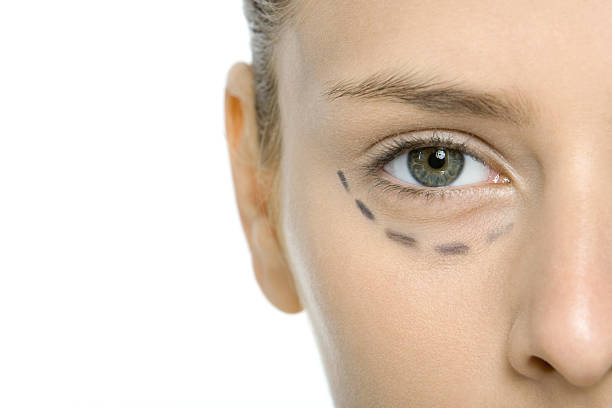
Eyelid surgery, medically known as blepharoplasty, focuses on improving the appearance of the upper eyelids, lower eyelids, or both. During the procedure, the surgeon may remove or reposition carefully selected amounts of excess skin, muscle, or fat. These adjustments can reduce a heavy upper eyelid appearance and improve the contours surrounding the eyes. By addressing excess tissue, the visible eyelid area may become more defined, creating a naturally refreshed appearance. The aim is to preserve the person’s natural eye shape while improving facial balance and maintaining normal eyelid function.
Common Concerns That Affect Eye Definition
Excess Skin on the Upper Eyelids
Loose skin may gradually fold over the natural upper eyelid crease, making the eyes appear smaller or less defined. When excess skin is the primary concern, upper eyelid surgery may help improve the visible eyelid area by removing selected tissue. This can create a more open appearance while maintaining natural eyelid contours.
Drooping Eyelids
Drooping may result from excess skin, changes in supporting tissues, or weakness in the muscles responsible for lifting the eyelids. These conditions do not always require the same treatment. A specialist can evaluate the underlying cause and determine whether blepharoplasty or a different eyelid procedure is appropriate.
Under-Eye Bags and Puffiness
Fat deposits and changes in supporting tissues can create puffiness beneath the eyes. This may affect the smooth transition between the lower eyelids and cheeks. Lower eyelid surgery can address selected concerns by repositioning or removing excess fat according to individual anatomy.
Different Types of Eyelid Surgery
Upper Blepharoplasty
Upper blepharoplasty is commonly considered for individuals with excess skin or a heavy appearance around the upper eyelids. The surgeon generally places an incision within the natural eyelid crease and carefully adjusts selected tissue. This helps improve the upper eyelid contour while allowing the incision to remain within a natural fold.
Lower Blepharoplasty
Lower blepharoplasty focuses on under-eye bags, prominent fat deposits, and loose lower eyelid skin. Depending on the individual’s needs, the surgeon may make an incision beneath the eyelashes or inside the lower eyelid. The selected technique depends on skin quality, tissue position, and facial anatomy.
Combined Upper and Lower Eyelid Surgery
Some individuals have concerns involving both the upper and lower eyelids. A combined procedure may be considered when both areas require improvement and the patient is medically suitable. A detailed examination helps determine whether this approach is appropriate.
The Importance of Preserving Natural Eye Shape
Creating more defined eyes does not mean changing their natural shape or expression. A successful surgical plan considers the individual’s facial proportions, eyelid position, and surrounding structures. Removing too much skin or fat can create an unnatural appearance and may affect eyelid function. For this reason, careful surgical assessment and appropriate tissue adjustment are essential. The goal is to achieve balanced results that complement the person’s existing features.
What Happens During the Eyelid Surgery Procedure?
Eyelid surgery may be performed under local anaesthesia with sedation or general anaesthesia, depending on the surgical plan. The surgeon makes carefully positioned incisions and adjusts excess skin, muscle, or fat as required. Once the planned corrections are completed, the incisions are closed using appropriate sutures. The duration and specific technique depend on whether the upper eyelids, lower eyelids, or both areas are treated.
Recovery and Aftercare Following Eyelid Surgery
Temporary swelling, bruising, tightness, and mild discomfort may occur during the initial recovery period. Patients should follow their surgeon’s instructions regarding cold compresses, prescribed medication, wound care, and activity restrictions. Strenuous exercise and heavy lifting should be avoided until medical clearance is provided. Follow-up appointments help monitor healing and identify possible complications. Initial improvements become more noticeable as swelling decreases, although complete healing may take several months.
Who May Be Suitable for Eyelid Surgery?
Adults experiencing excess eyelid skin, drooping upper eyelids, or persistent under-eye bags may consider a professional assessment. Suitable candidates should generally be in good health and have realistic expectations about the procedure. Individuals with dry eyes, previous eye surgery, or other eye-related conditions may require additional evaluation. A qualified surgeon can explain the potential benefits, limitations, and risks, including scarring, asymmetry, dry eyes, and changes in eyelid position.
Book Your Consultation at Royal Clinic Saudi
If you want to improve eye definition and achieve a more open appearance, a professional consultation can help you understand suitable treatment options. Royal Clinic Saudi (عيادات رويال كلينك) provides aesthetic consultations to discuss individual concerns, surgical suitability, and personalised treatment planning. Contact the clinic to arrange an appointment and explore an approach that complements your natural facial features.
FAQs:
1. Can eyelid surgery make the eyes look more open?
Yes, it can reduce excess skin that creates a heavy appearance.
2. Does eyelid surgery change natural eye shape?
The goal is to improve definition while preserving natural features.
3. Can eyelid surgery treat under-eye puffiness?
Yes, lower eyelid surgery can address selected fat-related concerns.
4. How long does it take to see the results?
Initial improvements appear as swelling decreases, with healing continuing for several months.