
 Enfield Clinic Oman


Healthy skin is an important part of overall personal care, but finding the right skincare solution is not always straightforward. Every individual has different skin characteristics, concerns, and lifestyle habits that influence how their skin responds to products and treatments. While some people experience dryness and sensitivity, others may struggle with acne, pigmentation, excess oil, uneven texture, or early signs of ageing. Choosing an appropriate skincare approach requires understanding these concerns and identifying solutions that support long-term skin health rather than focusing only on temporary improvements.
For individuals exploring professional skincare guidance, Enfield Royal Clinics Oman can be a starting point for researching aesthetic care and available skincare approaches. Understanding the different treatment options, recognizing individual skin needs, and knowing when professional assessment is necessary can make the decision-making process easier. The right skincare solution should always be based on personal requirements, realistic expectations, and skin safety.
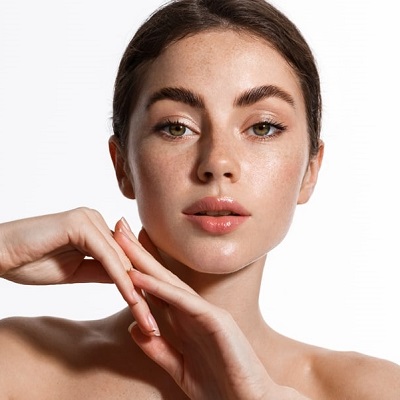
1. Understand the Skin Type Before Choosing a Skincare Solution
The first step toward finding an appropriate skincare solution is understanding the individual’s skin type. Different skin types have different needs, and using unsuitable products or treatments may sometimes make existing concerns worse.
Although skin characteristics can change with age, weather, hormonal fluctuations, and lifestyle habits, most people generally identify with one of five common skin types.
Normal Skin: Normal skin generally has a balanced appearance, with neither excessive oiliness nor significant dryness. It may require a simple routine focused on gentle cleansing, hydration, and sun protection.
Dry Skin: Dry skin may feel tight, rough, or uncomfortable. It can sometimes appear flaky and may become more sensitive when exposed to harsh skincare products or environmental conditions. Moisturizing ingredients and gentle cleansers can help support its natural moisture barrier.
Oily Skin: Oily skin produces excess sebum, which can contribute to enlarged-looking pores, shine, and clogged pores. Lightweight moisturizers and suitable cleansing products may help maintain balance without unnecessarily stripping the skin.
Combination Skin: Combination skin usually has different characteristics across the face. For example, the forehead, nose, and chin may become oily while the cheeks remain normal or dry. This skin type may benefit from a balanced routine with different products for specific areas.
Sensitive Skin: Sensitive skin may react easily to fragrances, harsh ingredients, environmental changes, or certain treatments. Gentle formulations and careful product selection are particularly important.
Understanding skin type provides a useful foundation for selecting skincare products and professional treatments. However, individuals should remember that skin type and skin condition are not the same. A person with oily skin, for example, may also experience dehydration or sensitivity.
2. Identify the Main Skin Concern and Its Possible Causes
After understanding skin type, the next step is identifying the primary concern. Different skin problems may look similar but have different underlying causes. Choosing a solution without understanding the issue can lead to disappointing results or unnecessary irritation.
Acne and Frequent Breakouts
Acne is a common skin concern that can develop because of excess oil production, clogged pores, inflammation, hormonal changes, and other contributing factors.
It may appear as blackheads, whiteheads, inflamed pimples, or deeper lesions. The appropriate skincare approach depends on the severity and type of acne.
Some commonly recommended approaches include:
- Using gentle cleansers to remove excess oil and impurities.
- Choosing non-comedogenic skincare products.
- Considering suitable ingredients such as salicylic acid when appropriate.
- Avoiding excessive exfoliation and harsh scrubbing.
- Seeking professional advice for persistent or severe acne.
Individuals should avoid squeezing or picking breakouts because doing so can increase inflammation and the risk of scarring.
Pigmentation and Dark Spots
Uneven skin tone and dark spots can develop because of sun exposure, hormonal changes, inflammation, or previous acne.
Some pigmentation concerns may respond to topical skincare ingredients, while others require professional evaluation and treatment.
Ingredients such as vitamin C, niacinamide, and selected retinoids may help improve the appearance of certain pigmentation concerns. However, their suitability depends on individual skin sensitivity and the underlying cause.
Daily sun protection is especially important because ultraviolet exposure can worsen existing discoloration and contribute to additional pigmentation.
Dryness and Dehydration
Dryness generally relates to reduced natural skin oils, while dehydration refers to insufficient water content in the skin.
Both concerns can make the complexion appear dull or rough. A suitable moisturizer, gentle cleansing routine, and appropriate hydration habits can help improve skin comfort.
Fine Lines and Early Signs of Ageing
Fine lines, wrinkles, and reduced skin firmness are natural changes that may develop over time. Sun exposure, environmental factors, and lifestyle habits can also influence how early these changes become visible.
A skincare routine that includes sun protection, moisturizing, and suitable active ingredients may help maintain a healthier-looking complexion.
Identifying the main concern helps individuals avoid unnecessary products and focus on solutions that address their actual skincare needs.
3. Build a Simple and Effective Daily Skincare Routine
A consistent skincare routine is often more useful than using numerous products without a clear purpose. Individuals should focus on a few essential steps and introduce additional ingredients only when necessary.
Morning Skincare Routine
A morning routine should help cleanse, hydrate, and protect the skin throughout the day.
Step 1: Gentle Cleansing
A suitable cleanser removes excess oil, sweat, and impurities that accumulate on the skin. Individuals with dry or sensitive skin may prefer a mild, fragrance-free formulation.
Step 2: Apply a Suitable Moisturizer
Moisturizers help maintain the skin’s moisture barrier and reduce dryness. Lightweight formulations may be more comfortable for oily skin, while richer creams can be useful for dry skin.
Step 3: Use Broad-Spectrum Sunscreen
Sun protection is one of the most important parts of daily skincare. A broad-spectrum sunscreen with SPF 30 or higher helps protect against UVA and UVB radiation.
It should be applied adequately and reapplied approximately every two hours when outdoors, as well as after swimming or excessive sweating.
Evening Skincare Routine
The evening routine focuses on removing daily impurities and supporting skin maintenance.
- Cleanse the skin to remove sunscreen, makeup, and accumulated dirt.
- Apply targeted skincare products when appropriate.
- Use a moisturizer to support the skin barrier.
- Avoid combining multiple strong active ingredients without understanding their compatibility.
Consistency is more important than complexity. Individuals should introduce new products gradually and monitor how their skin responds.
4. Explore Professional Skincare Treatments for Specific Concerns
Daily skincare products can address many common concerns, but certain conditions may benefit from professional assessment and specialized treatments.
Professional skincare procedures are designed for different purposes, including improving texture, managing pigmentation, addressing acne-related concerns, and supporting skin rejuvenation.
The appropriate option depends on the individual’s skin condition, medical history, and treatment goals.
Professional Facial Treatments
Facial treatments may focus on deep cleansing, hydration, exfoliation, and improving the appearance of dull skin.
Different techniques and products are used depending on the treatment’s purpose. Some facials may be suitable for individuals experiencing dryness, while others focus on clogged pores or excess oil.
People with sensitive or inflamed skin should discuss their condition before undergoing intensive exfoliation or extraction.
Chemical Peels
Chemical peels use selected chemical solutions to exfoliate the outer layers of the skin. They may help improve certain types of pigmentation, superficial acne marks, and uneven texture.
Different strengths are available, and the appropriate option depends on skin type and the condition being treated.
Possible side effects include temporary redness, dryness, peeling, and sensitivity. Professional assessment helps reduce the risk of unsuitable treatment selection.
Laser Skin Treatments
Laser-based procedures use controlled light energy to address selected skin concerns. Depending on the technology, they may be considered for pigmentation, certain scars, skin texture, and rejuvenation.
Laser treatments are not universally suitable for all skin types. Skin tone, previous pigmentation problems, and medical history should be evaluated before treatment.
Skin Rejuvenation Procedures
Certain aesthetic procedures aim to improve the appearance of fine lines, skin texture, and reduced firmness.
Some approaches focus on surface renewal, while others aim to stimulate collagen production. Results and recovery requirements vary depending on the technique.
Individuals should understand the expected benefits, limitations, and possible side effects before choosing any professional procedure.
5. Learn How to Select Skincare Products and Ingredients Wisely
Choosing skincare products can be confusing because the market offers many formulations with different ingredients and claims. A product that works well for one person may not produce the same results for someone else.
The most effective approach is to select products based on skin type, primary concerns, and ingredient suitability.
Some commonly used skincare ingredients include:
Hyaluronic Acid: This ingredient attracts and retains moisture, helping the skin appear hydrated and smoother. It is commonly included in serums and moisturizers.
Niacinamide: Niacinamide, a form of vitamin B3, may help support the skin barrier, improve the appearance of uneven skin tone, and regulate excess oil.
Vitamin C: Vitamin C is an antioxidant that can help protect the skin against environmental oxidative stress and improve the appearance of certain dark spots.
Salicylic Acid: This beta-hydroxy acid helps exfoliate inside pores and may be useful for individuals experiencing clogged pores and acne.
Retinoids: Retinoids are vitamin A derivatives used for concerns such as acne, uneven texture, and signs of ageing. They may cause dryness or irritation, particularly when introduced too quickly.
Ceramides: These skin-identical lipids help support the skin barrier and reduce moisture loss. They can be particularly helpful in products designed for dry or sensitive skin.
Individuals should avoid introducing several active ingredients simultaneously. Gradual introduction makes it easier to identify irritation and understand which products are providing benefits.
Patch testing new products can also help identify potential reactions. However, a patch test does not guarantee that a product will never cause irritation or an allergic response.
6. Consider Lifestyle Habits That Support Long-Term Skin Health
Skincare products and professional procedures are only part of maintaining healthy-looking skin. Everyday habits can also influence skin appearance, hydration, and overall condition.
A balanced lifestyle supports the body’s natural functions and can complement an appropriate skincare routine.
Maintain a Balanced Diet
A varied diet containing vegetables, fruits, whole grains, healthy fats, and adequate protein provides nutrients that support normal skin function.
Antioxidant-rich foods, including berries and colourful vegetables, contribute to a balanced eating pattern.
There is no single food that can solve every skin concern, and restrictive diets should not be adopted solely for cosmetic reasons.
Stay Properly Hydrated
Adequate fluid intake supports overall health and normal body functions. While drinking additional water does not directly cure skin conditions, maintaining hydration is a sensible part of general wellness.
Get Enough Sleep
Sleep supports the body’s natural recovery processes. Consistently poor sleep may contribute to a tired appearance and can affect overall wellbeing.
Manage Stress
Stress may influence certain inflammatory and hormonal processes and can worsen some existing skin conditions, including acne and eczema.
Relaxation techniques, regular physical activity, and healthy daily routines may help support emotional and physical wellbeing.
Protect Skin From Environmental Damage
Sun exposure, pollution, and environmental irritants can affect skin health.
Using sunscreen, wearing protective clothing, and cleansing gently after exposure to environmental pollutants can help reduce avoidable irritation and sun-related damage.
7. When to Seek Professional Skincare Advice
Although many everyday skin concerns can be managed with suitable skincare products, some conditions require professional evaluation.
Individuals should consider seeking advice when skin problems persist, become painful, or do not improve with basic skincare.
Professional assessment is particularly important in the following situations:
- Persistent or severe acne.
- Sudden or unexplained pigmentation changes.
- Repeated skin irritation or allergic reactions.
- Painful or inflamed skin conditions.
- New or changing skin growths or unusual spots.
- Scarring that affects skin texture.
- Concerns that continue despite consistent skincare.
During a consultation, individuals should discuss their symptoms, previous treatments, allergies, medications, and desired outcomes.
They should also ask about the purpose of any recommended procedure, possible side effects, recovery requirements, and alternative options.
A responsible skincare approach should never involve unnecessary procedures or unrealistic promises. The aim should be to understand the underlying concern and select an appropriate solution based on professional advice.
Frequently Asked Questions (FAQs)
1. How can someone find the right skincare solution for their skin type?
The first step is identifying whether the skin is normal, dry, oily, combination, or sensitive. Individuals should then consider their primary concerns, such as acne, pigmentation, or dehydration. Choosing gentle products suited to these characteristics and seeking professional guidance when necessary can help create an effective skincare routine.
2. How long does it take to see results from a new skincare routine?
Results depend on the products, ingredients, skin condition, and consistency of use. Some moisturizing products may improve skin comfort quickly, while concerns such as acne and pigmentation may require several weeks or longer to show noticeable improvement. Individuals should avoid changing products too frequently and allow suitable products enough time to work.
3. Are professional skincare treatments necessary for healthy skin?
Professional treatments are not necessary for everyone. Many individuals can maintain healthy-looking skin through consistent cleansing, moisturizing, and sun protection. However, professional treatments may be useful for specific concerns that require specialized assessment or procedures.
4. Which skincare ingredients are helpful for pigmentation and uneven skin tone?
Ingredients such as vitamin C, niacinamide, and selected retinoids may help improve the appearance of certain pigmentation concerns. The most suitable ingredient depends on the underlying cause and individual skin sensitivity. Daily broad-spectrum sunscreen is also essential for preventing further sun-related discoloration.
5. Can people with sensitive skin undergo professional aesthetic treatments?
Some individuals with sensitive skin may be suitable candidates for selected treatments, but careful assessment is essential. Certain procedures and ingredients can increase irritation or inflammation. A qualified professional should evaluate the skin condition and recommend an appropriate approach before treatment begins.
6. Why is sunscreen important when following a skincare routine?
Sunscreen helps protect the skin from ultraviolet radiation, which contributes to sunburn, premature ageing, and pigmentation changes. Regular use of broad-spectrum sunscreen with SPF 30 or higher supports long-term skin health and is particularly important when using exfoliating or other active skincare ingredients.
Conclusion
Finding the right skincare solution requires understanding individual skin characteristics, identifying specific concerns, and choosing suitable products or treatments. From simple daily routines to professional facials, chemical peels, and advanced aesthetic procedures, there are different approaches for addressing common skincare needs.
However, the most effective solution is not necessarily the most expensive or complicated one. Consistency, appropriate product selection, sun protection, healthy lifestyle habits, and professional guidance all contribute to better skincare decisions.
Individuals researching Enfield Royal Clinics Oman can benefit from learning about available skincare approaches and understanding which questions to ask before considering a treatment. By prioritizing skin health, realistic expectations, and personalized care, individuals can build a skincare plan that supports their needs over the long term.
Read More About Enfield Royal Clinics Oman: https://my-website-a90f2y.webnode.page/l/struggling-with-acne-explore-enfield-royal-clinics-oman/