
 taha421


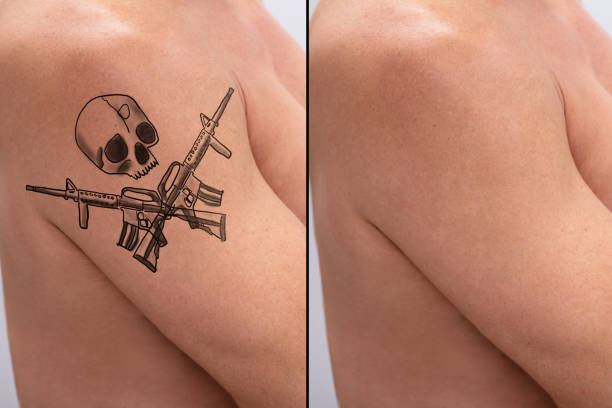
Tattoo removal involves more than targeting unwanted ink beneath the skin. The surrounding skin also interacts with laser energy, making individual skin characteristics an important part of treatment planning. People have different levels of natural pigmentation, sensitivity, and healing responses, which can influence how a laser procedure is performed. Laser tattoo removal in Riyadh uses focused light energy to break down tattoo pigments, but selecting suitable settings requires careful consideration of both the ink and the person’s skin tone.
Skin tone can influence the choice of laser wavelength, energy settings, and precautions recommended before and after treatment. A method that works well for one individual may not be appropriate for someone with different pigmentation characteristics. Before beginning Laser tattoo removal in Riyadh, a professional assessment helps evaluate the tattoo, surrounding skin, and any history of pigmentation changes or scarring. This individual approach supports safer planning and more realistic expectations.
How Skin Pigmentation Interacts With Laser Energy
Understanding Melanin in the Skin
Melanin is the natural pigment responsible for much of the colour in human skin. It helps protect the skin from ultraviolet radiation and contributes to differences in complexion. During laser tattoo removal, the laser is intended to target tattoo ink, but melanin can also absorb some wavelengths of light.
If the surrounding skin absorbs too much laser energy, there may be a greater chance of unwanted reactions, including temporary changes in pigmentation or irritation. This is why practitioners consider skin tone when selecting laser technology and treatment settings.
Balancing Ink Targeting and Skin Protection
The purpose of treatment is to deliver sufficient energy to fragment tattoo pigment while limiting unnecessary effects on surrounding tissue. The balance depends on the wavelength selected, the energy level, pulse duration, and the characteristics of the tattoo and skin.
A qualified practitioner evaluates these factors before treatment. In some situations, a more cautious approach or additional recovery time may be appropriate. The objective is to create a treatment plan that takes the individual’s skin response into account rather than applying identical settings to everyone.
Tattoo Removal Considerations for Different Skin Tones
Lighter Skin Tones
Lighter skin generally contains less melanin than darker skin, which may allow certain laser wavelengths to target tattoo pigment with less competition from natural skin pigment. However, this does not mean that every treatment is automatically risk-free. Redness, swelling, blistering, temporary lightening or darkening, and other complications can still occur.
The tattoo’s colour and depth remain important when selecting an appropriate approach. Skin sensitivity, previous reactions, and the location of the design should also be considered.
Medium Skin Tones
Medium skin tones have varying levels of melanin, so the response to laser energy can differ between individuals. Careful wavelength and energy selection is important to reduce unnecessary absorption by surrounding skin. A practitioner may recommend a tailored approach based on the person’s complexion, tattoo pigments, and healing history.
Darker Skin Tones
Darker skin contains more melanin, which can absorb certain laser wavelengths more readily. This may increase the risk of pigmentation changes if the laser is not selected and adjusted appropriately. However, darker skin is not automatically unsuitable for tattoo removal.
Certain wavelengths, including longer-wavelength options used in appropriate laser systems, may be considered because they can reduce absorption by epidermal melanin while targeting selected tattoo pigments. Suitability depends on the specific device, ink colours, and clinical assessment. A cautious treatment plan is particularly important when managing skin that is more prone to post-inflammatory hyperpigmentation.
Choosing the Appropriate Laser Technology
The Importance of Wavelength Selection
Different tattoo pigments absorb different wavelengths of light. Black and some dark blue inks often respond to commonly used laser wavelengths, while red, green, yellow, and other colours may require different options. The practitioner must consider both the ink colour and the amount of melanin in the surrounding skin.
There is no single wavelength that is ideal for every tattoo and every skin tone. The selection should reflect the design, pigment composition, complexion, and available technology.
Pulse Duration and Energy Settings
Laser systems deliver energy in controlled pulses. Some modern systems use very short pulses to create a photoacoustic effect, helping fragment pigment particles. The energy level and pulse characteristics must be selected carefully to target ink while limiting unnecessary effects on the skin.
The practitioner may adjust settings according to the response observed during and after treatment. Careful monitoring is important, particularly when there is a history of pigmentation changes or sensitivity.
Other Factors That Influence Treatment Response
Skin tone is only one part of the overall assessment. Tattoo age, size, ink density, pigment depth, and location can also affect the removal process. Professional tattoos may contain concentrated ink, while older or amateur designs may have different pigment distributions. Previous cover-ups and removal attempts can further influence the treatment approach.
Individual healing characteristics matter as well. People with a history of raised scars, keloids, skin irritation, or pigment changes should discuss these concerns before starting. Certain medications and existing skin conditions may also affect treatment suitability.
Preparing for Treatment and Caring for Your Skin
A professional consultation should include an examination of the tattoo and surrounding skin, a review of relevant medical history, and a discussion of treatment expectations. Depending on the circumstances, the practitioner may recommend a test spot before treating a larger area, particularly when skin pigmentation requires additional caution.
After a session, temporary redness, swelling, tenderness, or blistering may occur. Follow the aftercare instructions carefully, keep the treated area clean, and avoid scratching or picking at the skin. Protecting the area from direct sunlight is especially important because ultraviolet exposure can contribute to pigmentation changes. Allow the skin to heal fully before another session and seek medical advice if severe pain, spreading redness, unusual discharge, or fever develops.
Setting Realistic Expectations for Different Skin Tones
Laser tattoo removal can be suitable for people with a wide range of skin tones, but the approach and possible risks may differ. Complete removal is not guaranteed, and some pigment may remain after treatment. Temporary lightening or darkening of the skin can occur, while scarring and infection are less common but possible complications.
A personalised assessment helps determine whether treatment is appropriate and what precautions may be needed. Laser tattoo removal in Riyadh should be planned according to the individual’s skin characteristics, tattoo pigments, and desired outcome, rather than complexion alone.
Book a Consultation at Royal Clinic Saudi
If you are considering tattoo removal and want to understand how your skin tone may affect treatment, arrange a professional assessment. Royal Clinic Saudi can evaluate the tattoo and surrounding skin, discuss suitable laser options, and explain potential risks, recovery, and aftercare. A personalised consultation can help you understand your options before beginning treatment.
FAQs:
1. Does skin tone affect laser tattoo removal?
Yes. Melanin can absorb some laser energy, so skin tone is considered when selecting wavelengths and treatment settings.
2. Can people with darker skin tones have laser tattoo removal?
Many people with darker skin tones may be suitable, but careful laser selection and professional assessment are important to manage pigmentation risks.
3. Can laser tattoo removal cause skin discolouration?
Temporary lightening or darkening can occur after treatment. The risk depends on individual skin characteristics, laser settings, and aftercare.
4. Is a test spot necessary before tattoo removal?
A practitioner may recommend a test spot when additional assessment is appropriate, particularly for people with a history of pigmentation changes or sensitive skin.