
 Enfield Clinic Oman


Rhinoplasty surgery can improve the appearance of the nose, correct structural concerns, and, in some cases, help improve nasal breathing. However, achieving a satisfactory outcome involves more than the surgical procedure itself. The recovery period plays an important role in protecting the healing tissues, reducing complications, and allowing the nose to settle into its new shape.
For individuals considering or recovering from Rhinoplasty Surgery in Muscat understanding what to avoid after surgery can make the healing process more manageable. Everyday habits such as bending forward, exercising too soon, wearing certain types of glasses, or accidentally putting pressure on the nose can affect recovery.
Although some swelling, bruising, and congestion are expected after rhinoplasty, appropriate aftercare can help patients avoid unnecessary irritation and support healing. Recovery is different for everyone, so instructions from the treating surgical team should always take priority over general advice.
This guide explains the activities, habits, and mistakes patients should avoid after rhinoplasty, along with practical tips for protecting the nose during recovery.
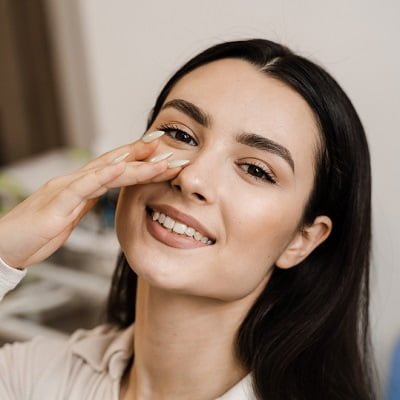
1. Avoid Putting Pressure on the Nose
One of the most important precautions after rhinoplasty is protecting the nose from direct pressure or accidental injury. The nasal bones, cartilage, and surrounding tissues need time to heal, and unnecessary contact may interfere with that process.
Avoid touching or pressing the nose unnecessarily. Patients may feel tempted to examine the new shape, adjust the nasal splint, or check whether swelling has decreased. However, frequent touching can irritate sensitive tissues and introduce bacteria around healing incisions.
The nasal splint, when used, should remain in place according to the instructions provided by the surgical team. It should not be removed, repositioned, or tightened without professional guidance.
Avoid sleeping on the stomach or directly on the side of the nose. Pressure against a pillow may cause discomfort and potentially disturb the healing structures. Sleeping on the back with the head elevated is generally recommended during the early recovery period. Extra pillows or a suitable wedge pillow may help maintain a comfortable position.
Patients should also be careful when changing clothes, washing their face, or getting into bed. Tight clothing that must be pulled over the head can accidentally strike the nose, so front-opening shirts may be more convenient during the first few days.
Activities involving young children, pets, or crowded environments may require additional care because accidental bumps can occur unexpectedly.
For people recovering after Rhinoplasty Surgery in Muscat, protecting the nose is especially important during the initial weeks, when the tissues are still healing. Even when the nose looks improved externally, the internal structures may remain vulnerable.
2. Avoid Strenuous Exercise, Heavy Lifting, and Risky Activities
Physical activity is beneficial for general health, but returning to intense exercise too soon after rhinoplasty can increase swelling and the risk of bleeding.
During exercise, the heart rate and blood pressure rise. This may increase pressure in the healing nasal tissues, potentially contributing to discomfort, bruising, or bleeding.
Heavy lifting and intense workouts
Patients should avoid heavy lifting, vigorous gym sessions, high-intensity workouts, and strenuous household tasks during the early recovery period. These activities may involve sudden movements, breath-holding, or straining, which can place additional stress on healing tissues.
Light walking is often encouraged once the patient feels comfortable and the surgical team permits it. Gentle movement can support general well-being without the intensity of strenuous exercise.
Bending forward
Frequent bending at the waist, particularly during the first days after surgery, may increase facial pressure and discomfort. Patients can instead bend their knees while keeping the head relatively upright when picking up light objects, provided the movement is permitted during their recovery.
Contact sports and activities with an injury risk
Football, basketball, martial arts, boxing, and other contact sports should be avoided until the surgical team confirms that returning is appropriate. Even a seemingly minor impact can damage healing nasal structures.
Activities such as cycling in traffic, mountain biking, or other pursuits with a significant risk of falling may also need to be postponed.
The exact timeline depends on the procedure and the patient’s progress. Many patients resume light daily activities within one to two weeks, but strenuous exercise and contact sports often require a longer break. The treating professional should provide individualized guidance rather than relying on a fixed timeline.
3. Avoid Smoking, Alcohol, and Unapproved Medications
Certain substances can interfere with healing, increase bleeding risk, or complicate postoperative care. Patients should discuss medication use and lifestyle habits with the surgical team before and after the procedure.
Smoking and nicotine products
Smoking can reduce oxygen delivery to healing tissues and impair wound recovery. Nicotine may also affect blood vessels and circulation. These effects can increase the risk of delayed healing and other complications.
Patients are generally advised to avoid smoking and nicotine products before surgery and throughout recovery, for the period recommended by their treating professional. This includes cigarettes, vaping products containing nicotine, and other nicotine delivery methods.
Alcohol consumption
Alcohol may interact with prescribed medicines, worsen dizziness, and increase the risk of falls or accidental injury. It may also be inappropriate while the patient is taking certain pain medicines or antibiotics.
Avoiding alcohol during the early recovery period is a sensible precaution. Patients should follow the instructions provided by the surgical and anesthesia teams, particularly if they are taking medication.
Medicines that may increase bleeding
Some medications, including aspirin and certain anti-inflammatory drugs, can affect bleeding risk. However, the risks vary according to the medicine and the patient’s health.
Patients should not independently stop prescribed medication or start a new pain reliever after surgery. Instead, they should confirm which medicines are appropriate with the treating professional.
Herbal supplements and products marketed for inflammation or recovery should also be discussed before use because some can affect bleeding or interact with medication.
Unapproved creams and remedies
Applying unapproved creams, oils, herbal preparations, or home remedies around the nose may irritate the skin or interfere with healing incisions. Products should only be used when recommended by the surgical team.
Following the prescribed medication plan helps reduce avoidable risks and supports a smoother recovery after Rhinoplasty Surgery in Muscat.
4. Avoid Poor Nasal Hygiene and Activities That Irritate Healing Tissues
After rhinoplasty, the nose may feel blocked because of swelling, internal dressings, dried blood, or temporary inflammation. Although this sensation can be frustrating, patients should avoid aggressive attempts to clear the nasal passages.
Do not blow the nose forcefully. Forceful blowing can place pressure on healing structures and may cause bleeding. The surgical team will explain when gentle nose-blowing can safely resume.
If the nose feels congested, patients should follow the recommended cleaning routine. Saline sprays or rinses may be suitable in some cases, but they should only be used according to the postoperative instructions, especially when internal splints or dressings are present.
Avoid inserting objects into the nostrils. Cotton swabs, fingers, tissues, or other objects should not be pushed into the nasal passages to remove dried blood or crusts. This can damage sensitive tissues and introduce infection.
Do not remove internal dressings yourself. If packing, internal splints, or other materials have been placed inside the nose, their removal should be handled according to the surgical team’s instructions.
Patients should also keep the incision area clean using the method recommended by the treating professional. They should avoid scrubbing the nose, peeling away crusts, or applying makeup directly over healing incisions until permitted.
Showering may be possible relatively soon after surgery, but the nose and any external splint must be protected according to the instructions provided. Patients should avoid soaking the face or allowing water to disturb dressings when this has been prohibited.
Good hygiene does not require aggressive cleaning. Gentle, appropriate care is generally safer than repeatedly trying to make the nose feel completely clear during the first stages of recovery.
5. Avoid Excessive Sun Exposure, Heat, and Premature Use of Glasses
Environmental conditions and ordinary daily habits can also affect comfort and recovery following rhinoplasty.
Limit direct sun exposure
Healing skin may be more sensitive to sunlight, and prolonged exposure can contribute to irritation and changes in skin pigmentation, particularly around bruised or healing areas.
Patients should avoid spending extended periods in strong sunlight during early recovery. Once permitted, a broad-spectrum sunscreen suitable for the healing skin and protective measures such as a hat can help reduce exposure.
Sunscreen should not be applied directly to open or healing incisions unless the surgical team has confirmed that it is appropriate.
Be cautious with excessive heat
Hot environments, saunas, steam rooms, and very hot showers may increase discomfort or swelling during the early recovery period. Patients should follow their postoperative instructions about heat exposure and choose comfortable temperatures while healing.
This is particularly relevant for people living in warm climates or spending time outdoors in hot weather. Resting in a comfortable environment and staying adequately hydrated can make recovery easier.
Check before wearing glasses
Glasses that rest on the nasal bridge can place pressure on healing bones and cartilage. Depending on the procedure, this pressure may affect the healing position of the nose.
Patients who wear prescription glasses should ask the surgical team when normal use can resume. Temporary alternatives, such as contact lenses when medically suitable, or a professionally approved method of supporting glasses without resting weight on the nose, may be recommended.
The timing varies according to the extent of nasal bone work and the surgeon’s instructions. Patients should not assume that glasses are safe simply because the external splint has been removed.
For those undergoing Rhinoplasty Surgery in Muscat, planning ahead for sun protection, comfortable indoor conditions, and alternatives to conventional glasses can help make the recovery period more convenient.
6. Avoid Unrealistic Expectations and Ignoring Warning Signs
Rhinoplasty recovery requires patience. One common mistake is judging the final result too early, when swelling and temporary changes in the tissues can make the nose appear uneven or different from the expected outcome.
Do not judge the final shape too soon. The nose may look swollen, firm, or asymmetrical during the first few weeks. Swelling does not always decrease evenly, and the nasal tip can remain swollen for several months. Final refinement may take a year or longer, depending on the procedure and individual healing.
Patients should attend follow-up appointments rather than attempting to assess the result solely through daily mirror checks or photographs. A specialist can determine whether the healing process is progressing as expected.
Avoid missing follow-up appointments. These visits allow the surgical team to assess the nose, check incisions, remove splints when appropriate, and identify potential problems early.
Do not ignore unusual symptoms. Some swelling, bruising, congestion, and mild discomfort are common after rhinoplasty. However, certain symptoms require prompt medical attention.
Patients should seek urgent medical assessment if they experience:
- Heavy or persistent bleeding that does not settle as instructed.
- Severe or rapidly worsening pain.
- Fever or increasing redness and warmth around the surgical area.
- Sudden changes in vision or significant swelling around the eyes.
- A sudden deterioration in breathing beyond the expected postoperative congestion.
- Foul-smelling discharge or other signs that may indicate infection.
Severe breathing difficulty or significant visual changes require emergency assessment. Patients should contact their treating team promptly if they are uncertain whether a symptom is normal.
A realistic understanding of recovery, combined with consistent follow-up, can help patients feel more confident throughout the healing process.
Frequently Asked Questions
1. How long should patients rest after rhinoplasty surgery?
Many patients need around one to two weeks before returning to routine work or light daily activities, depending on the procedure and their recovery. More physically demanding work may require additional time off. The treating professional should confirm when normal activities can safely resume.
2. When can patients exercise after rhinoplasty?
Gentle walking may be possible relatively early when permitted, but strenuous exercise, heavy lifting, and activities that increase the risk of nasal injury should be avoided during the initial recovery period. Contact sports generally require a longer break. The exact timeline depends on healing and the surgical technique.
3. Can patients sleep on their side after rhinoplasty?
Sleeping on the back with the head elevated is generally recommended during early recovery because it helps reduce swelling and avoids direct pressure on the nose. Patients should ask the surgical team when it is safe to return to side sleeping.
4. Is it safe to wear glasses after rhinoplasty?
Glasses that rest on the nasal bridge may place pressure on healing structures. Patients should ask when they can safely resume wearing them. Depending on the procedure, temporary alternatives may be recommended until the nose has healed sufficiently.
5. When can patients blow their nose after rhinoplasty?
Forceful nose-blowing is generally avoided during the early healing period because it can cause bleeding or place pressure on the nasal tissues. Patients should follow the specific instructions provided by the surgical team and use only approved methods to manage congestion.
6. What helps reduce swelling after rhinoplasty surgery?
Following postoperative instructions, resting with the head elevated, avoiding strenuous activity, and protecting the nose from injury can help manage swelling. Cold compresses may be recommended for the surrounding cheek or eye area, but they should not place pressure on the nose. Patients should confirm the correct technique with their treating professional.
Conclusion
Knowing what to avoid after rhinoplasty surgery is an important part of protecting the results and supporting recovery. Avoiding pressure on the nose, strenuous exercise, smoking, unapproved medication, forceful nose-blowing, excessive sun exposure, and premature use of glasses can help reduce avoidable risks.
For individuals researching Rhinoplasty Surgery in Muscat, careful aftercare and realistic expectations are just as important as understanding the procedure itself. Recovery takes time, and the nose may continue to change for months as swelling gradually subsides.
Every patient has different healing needs, so individualized postoperative instructions should always take priority over general recommendations. With appropriate rest, protection, and follow-up care, patients can give their nose the best opportunity to heal safely.
Read More About Rhinoplasty Surgery: https://my-website-a90f2y.webnode.page/l/can-rhinoplasty-surgery-correct-a-deviated-septum/