
 cosmeticclinic


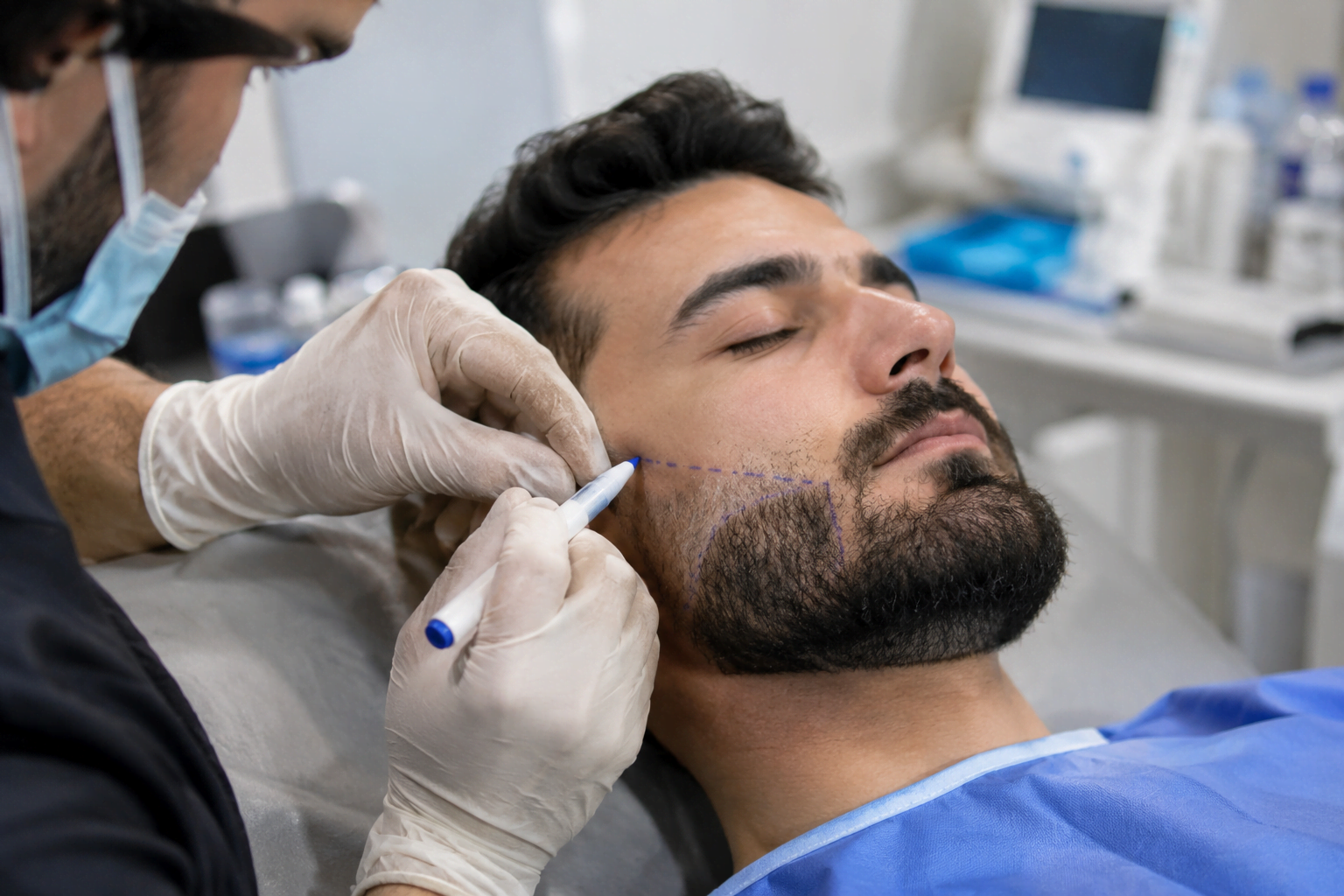
Most men do not wake up one morning and decide to have surgery on their face. The decision usually follows years of small frustrations: a beard that never fills in, a patch that stays bare however long it is left to grow, or a scar that interrupts an otherwise even line. By the time a patient starts asking questions about treatment, he has often tried every simpler option first.
If you are exploring a beard transplant in Islamabad, it helps to understand the process from the patient’s side rather than from a brochure’s. What happens in the consultation room, how a doctor decides whether you are a sensible candidate, how a plan is built around your face and what recovery actually feels like all shape whether the experience matches your expectations. This guide follows that journey step by step.
Why Patients Consider Beard Restoration
The reasons are personal, but they tend to fall into a few groups. Some men have naturally patchy growth, often around the cheeks or the chin. Others have lost facial hair in specific spots because of scarring after acne, burns, accidents or surgery. Some simply want a fuller moustache or sharper sideburns. Beard hair restoration does not suit every one of these situations equally, which is exactly why the first conversation with a doctor matters.
The Consultation: Where Everything Starts
A beard transplant consultation should feel like a medical appointment, not a sales call. You should leave with a clear sense of whether surgery is advisable, what it can and cannot do, and what the next steps are.
What the doctor will ask
Expect questions about your general health, medications, allergies, previous surgeries, skin conditions and how long the patchiness has been present. You may be asked whether any family members have similar growth patterns. Be honest, including about smoking or supplements, because these details can affect healing and safety.
What the examination involves
The doctor examines the skin and existing hair in the beard area, looks at the donor region and assesses how much suitable hair is available. Where scarring is involved, the doctor judges whether the tissue is mature and stable enough to receive grafts. This is also the point at which a clinician may recommend further tests, a different treatment or simply a period of waiting.
Candidacy: Who Is a Good Fit and Who May Not Be
Good candidates generally have stable, long-standing patchiness or scarring, enough healthy donor hair, skin that is free from active infection and realistic goals. Candidacy is less certain when hair loss is still changing, when the donor supply is limited, when an underlying health condition could interfere with healing or when a patient expects a result that surgery cannot produce. Because suitability varies so much, anyone who tells you before examining you that you are definitely a candidate deserves some scepticism.
Building a Treatment Plan
Design
The design stage decides where hair will be placed and in what pattern. A natural beard is not an even sheet of hair. Density usually varies across the cheeks, jaw and chin, and the hairs point in different directions. A thoughtful plan respects that variation and aims to blend with existing growth, which is especially important in patchy beard restoration, where new hairs must sit alongside native ones.
Graft planning
The number of grafts depends on the size of the area, the density you want and what the donor region can safely supply. A larger area or a higher target density generally needs more grafts. Your doctor should explain why a particular number is being proposed, and should be willing to prioritise areas if the donor supply cannot cover everything at once.
Surgery Day From the Patient’s Seat
Beard transplant surgery is usually performed under local anaesthetic, so you are awake but should not feel pain in the treated areas. Grafts are collected from the donor area, then placed one by one into the recipient sites. You can usually expect a long day of sitting or lying in one position, with breaks. Afterwards you will receive written aftercare instructions, and it is worth reading them before the day so you know what to expect. Temporary redness, swelling and scabbing are common, and you should ask in advance when you can return to work and social situations comfortably.
Understanding Beard Transplant Results
Results are not instant. Many transplanted hairs fall out within the first weeks, and new growth typically appears over the following months, becoming thicker and more visible gradually. Because of that, judging the outcome early can be misleading. The final appearance depends on graft survival, the donor hair’s characteristics, the quality of the design and how your skin heals. Outcomes differ between individuals, and a second session may sometimes be discussed. Treat any promise of a guaranteed or identical result with caution.
Questions Worth Asking Before You Commit
- Am I a suitable candidate, and why or why not?
- Who will perform each part of the procedure?
- How many grafts do you expect I will need, and how was that decided?
- What are the risks specific to me, and how are complications handled?
- What does the aftercare plan look like, and who will I see for follow-up?
- What would you do if the result is lower than planned?
A clinic that answers these openly is a better sign than one with the most polished marketing.
Final Thoughts
A beard transplant can help the right patient with stable patchiness or scarring, provided it is planned carefully, performed by qualified professionals and approached with realistic expectations. This guide offers general information and cannot replace a personal medical assessment. If you are ready to take the next step, you can learn more about the approach taken by Hair Transplant Islamabad and prepare a list of questions for your consultation.