
 robertclinic


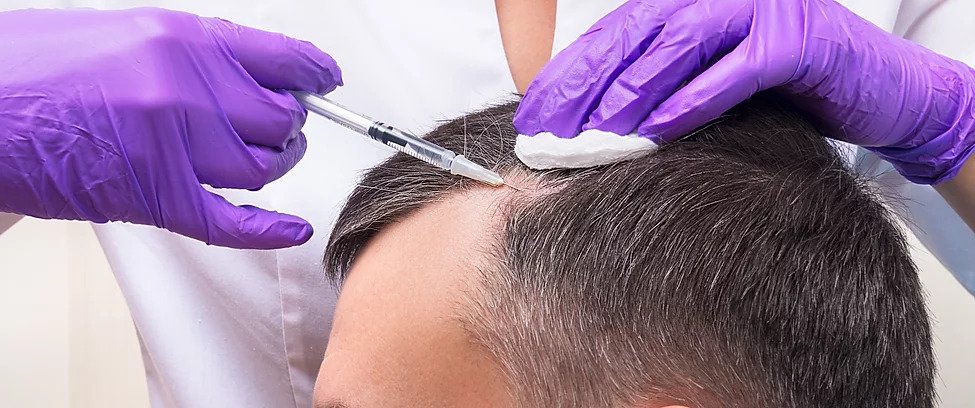
Hair loss can affect more than appearance. For many people, a receding hairline, thinning crown, or reduced hair density can influence confidence and personal comfort. A hair transplant may offer a long-term option for suitable candidates by relocating healthy hair follicles from a donor area to regions affected by hair loss. However, the procedure requires careful planning, realistic expectations, and an assessment of the underlying cause of thinning.
Choosing Hair Transplant in Dubai involves understanding the available techniques, evaluating the qualifications of the treating medical professional, and considering the level of care provided before and after surgery. Dubai offers a range of medical facilities and aesthetic practices where patients can explore surgical hair restoration options. The right choice depends on individual hair characteristics, the extent of hair loss, donor hair availability, medical history, and personal goals.
Modern hair restoration procedures commonly include Follicular Unit Extraction (FUE) and Follicular Unit Transplantation (FUT). FUE involves extracting individual follicular units, while FUT involves removing a strip of scalp from which grafts are prepared. Each method has different considerations regarding scarring, recovery, donor management, and suitability.
Before making a decision, patients should understand that transplanted hair does not necessarily prevent existing hair from continuing to thin. A comprehensive treatment plan may therefore include medical management alongside surgery when appropriate. A professional consultation can help establish whether transplantation is suitable, what results may be achievable, and how many grafts might be required.
Exploring Hair Restoration Options in Dubai
Dubai has several healthcare providers offering consultations and services related to hair restoration. Each facility may differ in its treatment approach, medical team, available technology, and follow-up arrangements. Comparing these factors can help patients make informed decisions rather than relying solely on promotional claims or advertised prices.
Dynamic Life Clinic
Dynamic Life Clinic is one of the providers patients may consider when exploring aesthetic and hair restoration services in Dubai. Prospective patients should enquire about the clinic’s current hair transplant offerings, the qualifications of the professionals performing the procedure, and the techniques available for different patterns of hair loss.
A detailed consultation should include an examination of the scalp, an assessment of donor hair density, and a discussion of realistic coverage. Patients should also ask about graft planning, postoperative care, and the possibility of further hair loss after transplantation.
Enfield Royal Clinic
Enfield Royal Clinic is an option to explore when considering hair restoration in Dubai. Patients can enquire about the available treatment approaches, the consultation process, and the suitability of different procedures for their hair loss concerns. Understanding the medical team’s experience and involvement throughout treatment is essential before proceeding.
For individuals considering Hair Transplant in Dubai, an individualised assessment should address the hairline design, donor area capacity, existing hair density, and long-term restoration goals. A carefully planned procedure aims to create a natural-looking appearance while preserving the available donor supply for potential future needs.
Patients should confirm which techniques are currently offered, who will perform each stage of the procedure, and what aftercare is included. Discussing recovery expectations, potential complications, and follow-up appointments before surgery can help patients make a more informed decision.
Al Zahra Hospital Dubai
Al Zahra Hospital Dubai is a multispecialty healthcare provider that patients may investigate when looking for medical consultations related to hair loss. Before selecting the hospital for transplantation, prospective patients should confirm whether the relevant service is currently available and identify the department or qualified specialist responsible for treatment.
A medical assessment is particularly useful when hair loss may be associated with an underlying scalp condition, nutritional deficiency, hormonal factors, or another health concern. Identifying contributing factors can help determine whether surgical restoration is appropriate or whether additional treatment should be considered first.
Cocoona Clinic
Cocoona Clinic is another name patients may research while comparing aesthetic treatment providers in Dubai. Anyone considering a hair transplant should verify the clinic’s current services and ask about the experience of its hair restoration team.
Important discussion points include the extraction method, graft placement, donor area management, and the expected density in the recipient area. Patients should also understand the limitations of transplantation, particularly when hair loss is advanced or donor hair is limited.
A clear treatment plan should explain the anticipated recovery period and the follow-up arrangements. Patients benefit from receiving realistic information about the time required for transplanted hair to grow and mature.
Emirates Hospital
Emirates Hospital is a healthcare provider that prospective patients may contact to explore available dermatology or hair restoration consultations. Patients should verify whether surgical hair transplantation is offered at the specific facility and which medical professionals provide the relevant service.
An appropriate evaluation may include a review of the patient’s medical history, an examination of the scalp, and an assessment of the pattern and progression of hair loss. These steps help establish whether surgery is a reasonable option and whether medical treatment may also be beneficial.
Patients should ask about the procedure’s risks, the recommended technique, and the level of postoperative supervision available. These considerations are important when comparing healthcare providers.
Tajmeels Clinic
Tajmeels Clinic is another provider to consider researching when reviewing aesthetic services in Dubai. Prospective patients should confirm its current hair restoration services and request details about the medical professionals responsible for assessment, surgery, and follow-up care.
A useful consultation should explain whether FUE, FUT, or another approach is appropriate for the patient’s needs. The recommendation should reflect donor hair availability, hair characteristics, the extent of thinning, and the desired appearance rather than a standard graft package.
Patients should also ask how the treatment plan accounts for possible future hair loss. Long-term planning is important because the surrounding natural hair may continue to thin even after transplanted follicles begin growing.
Dubai Cosmetic Surgery Clinic
Dubai Cosmetic Surgery Clinic is a provider patients may wish to investigate when comparing cosmetic and hair restoration services. Before arranging treatment, patients should confirm the availability of hair transplantation and request information about the clinician’s qualifications and experience.
A thorough assessment should consider hairline proportions, facial features, scalp condition, and the density of the donor area. The medical team should explain the limitations of the procedure and whether the patient’s expectations are achievable with the available graft supply.
Patients should also receive clear guidance on preparation, recovery, medication use, and follow-up appointments. These details can help establish whether the proposed treatment aligns with their needs.
King’s College Hospital London Dubai
King’s College Hospital London Dubai provides a hospital-based healthcare setting in which patients can enquire about specialist assessment for hair loss and related conditions. Patients should contact the facility directly to establish whether hair transplantation is currently available and which specialists provide the relevant service.
A specialist evaluation may be helpful for patients whose hair loss has an uncertain cause or who have additional scalp or medical concerns. Understanding the diagnosis before considering surgery can help prevent inappropriate treatment decisions.
If transplantation is being considered, patients should seek a clear explanation of the recommended approach, expected outcomes, potential risks, and postoperative monitoring arrangements.
How to Choose the Right Clinic for Hair Transplant in Dubai
Selecting a provider requires more than comparing package prices or the number of grafts advertised. Patients should assess the medical team’s qualifications, the proposed treatment plan, and the standard of care throughout the process.
Experience and Qualifications
Ask who will assess the scalp, plan the hairline, extract the grafts, and implant the follicles. Confirm the treating clinician’s relevant qualifications, experience, and professional licensing. Patients should understand the division of responsibilities between the surgeon and other members of the clinical team.
Experience with different hair loss patterns is particularly important when planning a natural-looking hairline or treating extensive thinning.
Technology and Techniques
FUE and FUT are established surgical methods, but neither is automatically suitable for every patient. FUE extracts individual follicular units, whereas FUT removes a strip of scalp for graft preparation. The choice depends on donor characteristics, hair restoration goals, scarring considerations, and the treating surgeon’s assessment.
Ask why a particular method is recommended and whether the clinic uses an approach suited to the patient’s individual circumstances.
Safety Standards
A hair transplant is a surgical procedure and carries risks, including infection, bleeding, scarring, swelling, temporary shock loss, and poor graft growth. Confirm that the procedure takes place in an appropriately licensed setting with suitable infection-control measures and emergency arrangements.
Patients should also disclose their medications, allergies, medical conditions, and previous hair restoration treatments before surgery.
Consultation Process
A meaningful consultation should include an examination of the scalp, an evaluation of donor hair, and a discussion of the causes and progression of hair loss. Depending on the clinical findings, additional investigations may be appropriate.
The treatment plan should explain the proposed graft count, expected coverage, limitations, estimated costs, and whether medication or another treatment may be useful.
Patient Experience and Aftercare
Postoperative care is an important part of the treatment process. Ask how the clinic handles follow-up appointments, washing instructions, swelling, discomfort, and questions during recovery.
Patients should receive written aftercare guidance and clear instructions about when to contact the medical team if symptoms become concerning. Access to follow-up support can be particularly important during the initial healing period.
Expected Results
Hair transplantation does not produce immediate final results. Transplanted hairs may shed during the early weeks, while new growth commonly becomes noticeable over the following months. Visible improvement often develops over six to twelve months, although crown growth and final maturation can take longer.
Results vary according to donor hair quality, the extent of hair loss, healing, surgical technique, and individual biology. No responsible provider can guarantee a specific density or outcome. Patients should review relevant clinical examples where available and discuss realistic expectations before agreeing to treatment.
Frequently Asked Questions
Who is a suitable candidate for a hair transplant?
Suitable candidates generally have stable health, sufficient donor hair, and a pattern of hair loss that can be addressed surgically. A medical assessment is necessary to determine suitability, particularly when hair loss is sudden, diffuse, or associated with a scalp condition.
Is FUE better than FUT?
Neither technique is universally better. FUE involves individual follicle extraction and typically leaves small scattered scars, while FUT leaves a linear scar at the donor site. The most appropriate method depends on the patient’s donor supply, hairstyle preferences, treatment goals, and clinical assessment.
How long does it take to see hair transplant results?
Early shedding is common during the initial weeks. New growth often begins over the next few months, with more noticeable improvement developing around six to twelve months. Some patients need longer to see the full result, especially in the crown.
Does transplanted hair last permanently?
Transplanted follicles often retain characteristics of their donor area and can provide long-lasting growth. However, outcomes vary, and transplanted hair may not remain unchanged throughout life. Existing non-transplanted hair can continue to thin, so long-term monitoring may be advisable.
How much does a hair transplant cost in Dubai?
The cost varies according to the number of grafts required, the technique used, the medical team’s expertise, facility fees, and the care included in the package. Patients should request a written quotation that explains what is covered and whether medications, follow-up visits, or additional treatments involve separate charges.
Conclusion
Hair restoration requires a personalised approach that balances aesthetic goals with medical suitability, donor hair preservation, and long-term planning. When comparing providers in Dubai, patients should prioritise qualified medical professionals, transparent treatment recommendations, appropriate safety standards, and reliable postoperative support.
Before committing to surgery, arrange a consultation to discuss the cause of hair loss, available techniques, likely coverage, recovery expectations, and total costs. Researching providers such as Enfield Royal Clinic alongside other healthcare facilities can help patients understand their options and identify questions that need to be answered before treatment. A well-informed decision about Hair Transplant begins with realistic expectations and an individual assessment rather than a promise of guaranteed results.