
 majid7


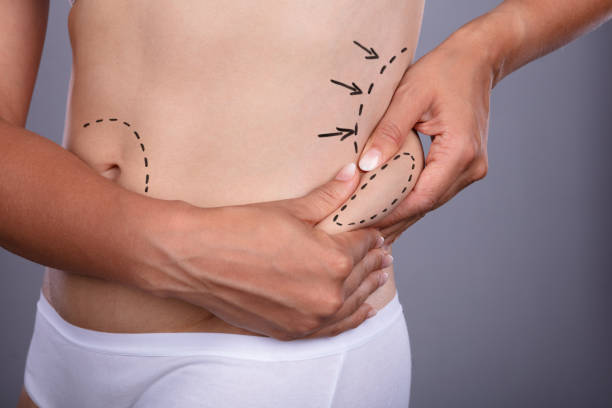 Liposuction changes the underlying contours of selected areas, but your skin also needs time and proper care as the body heals. Swelling, bruising, tenderness, dryness, and temporary changes in skin sensation can occur during recovery. Understanding how to protect and care for your skin after Liposuction in Riyadh can support a more comfortable healing process while helping you maintain healthy skin throughout recovery.
Why Skin Care Matters After Liposuction
Following liposuction, the treated skin and surrounding tissues may be sensitive for a period of time. Incision sites require careful attention, while swelling can make the skin feel tight or uncomfortable. Patients undergoing Liposuction in Riyadh should follow their surgeon’s specific aftercare instructions because the appropriate skin-care routine can vary depending on the treatment area and individual recovery.
The early recovery period is not the time to experiment with aggressive skincare products or treatments. Keeping the area clean according to medical instructions, protecting healing incisions, and avoiding unnecessary irritation are generally more important than using numerous cosmetic products.
Keep Incision Areas Clean
Follow Your Surgeon’s Instructions
Small incisions are commonly used during liposuction, and these areas need appropriate care while they heal. Your surgeon may provide instructions about cleaning, dressing changes, showering, and when specific products can be applied.
Avoid touching healing incisions unnecessarily, particularly with unwashed hands. Do not apply creams, oils, exfoliants, or other products directly to incision sites unless your healthcare provider has approved them.
Watch for Changes
Some redness, swelling, bruising, and tenderness can be part of normal healing. However, increasing redness, warmth, drainage, worsening pain, or other concerning changes should be reported to your surgical team rather than treated with skincare products at home.
Protect Sensitive Skin During Recovery
Avoid Excessive Sun Exposure
Healing skin can be more vulnerable to irritation and changes in pigmentation. Once your healthcare provider confirms that the treated areas can safely be exposed, protect them from excessive sunlight and follow appropriate sun-protection recommendations.
If incisions are still healing, ask your surgeon when sunscreen can safely be used around those areas. Covering the area from direct sunlight may be appropriate when permitted.
Choose Gentle Products
When your surgeon allows normal skincare around the treated area, choose gentle, fragrance-free products if your skin is sensitive. Avoid harsh scrubs, strong acids, retinoids, and other potentially irritating ingredients until your healthcare provider says they are appropriate.
A simple routine can be easier to tolerate while the skin is recovering. Introducing products gradually can also make it easier to identify any irritation.
Manage Dryness and Tightness Carefully
Skin may feel dry, tight, or unusually sensitive as swelling changes during recovery. These sensations can be temporary, but they can make normal skincare feel uncomfortable.
Once the incision sites have healed sufficiently, your healthcare provider may allow the use of a gentle moisturizer on surrounding skin. Do not assume that a product is safe for an open or recently closed incision; follow the specific instructions provided by your medical team.
Be Careful With Massage
Massage can sometimes be incorporated into postoperative care, but it should not automatically be performed after every liposuction procedure. The appropriate timing and technique depend on the treatment area, healing progress, and your surgeon’s recommendations.
Avoid forceful rubbing or pressure over painful, swollen, bruised, or healing areas unless your healthcare professional has specifically instructed you to massage them. Incorrect pressure could irritate recovering tissue.
What About Compression Garments?
Compression garments are frequently included in liposuction aftercare plans to help manage swelling and support the treated areas. However, they should be worn according to your surgeon’s instructions regarding fit, duration, and use.
A garment that is excessively tight, poorly fitted, or causing significant discomfort should be discussed with your healthcare provider. Skin underneath the garment should also be monitored for irritation, pressure areas, or unusual changes.
Avoid Heat and Irritating Treatments
During early recovery, avoid exposing healing areas to excessive heat or undergoing cosmetic treatments without medical approval. Hot tubs, saunas, intense heat exposure, and certain aesthetic procedures may not be appropriate until the tissues have adequately healed.
Similarly, waxing, aggressive exfoliation, laser treatments, and other procedures involving the treated skin should be postponed until your healthcare provider confirms that they are safe.
Support Your Skin From Within
Skin recovery is not only about topical products. Adequate hydration and a balanced diet containing protein, fruits, vegetables, whole grains, and other nutrient-dense foods can support your body’s normal healing processes.
Avoiding smoking is also important because smoking can interfere with wound healing and circulation. If you smoke or use nicotine products, discuss this with your healthcare provider and follow their recommendations before and after surgery.
When Will the Skin Look Normal Again?
The appearance of the skin can change gradually as swelling decreases and tissues settle. Some temporary unevenness, firmness, bruising, or altered sensation may occur during the healing process, and the timeline can vary between individuals.
The final appearance after Liposuction in Riyadh should be assessed over time rather than judged during the earliest days of recovery. Following your aftercare plan and attending recommended follow-up appointments can help your surgeon monitor your progress.
When to Contact Your Surgeon
Contact your healthcare provider if you notice symptoms that seem unusual or are becoming worse rather than gradually improving. Increasing swelling, severe or worsening pain, significant skin discoloration, drainage, fever, or signs of infection require professional assessment.
Do not attempt to correct concerning changes with massage, creams, supplements, or other home treatments before speaking with your surgical team. Prompt medical guidance is the safest approach when recovery does not appear to be progressing normally.
Book an Appointment at Royal Clinic Saudia
If you are considering liposuction and want to understand the procedure, skin care, and recovery process, Royal Clinic Saudia can help you discuss your goals and aftercare needs. Schedule a consultation to receive personalized guidance from a qualified medical professional.