
 dr prashant kadam


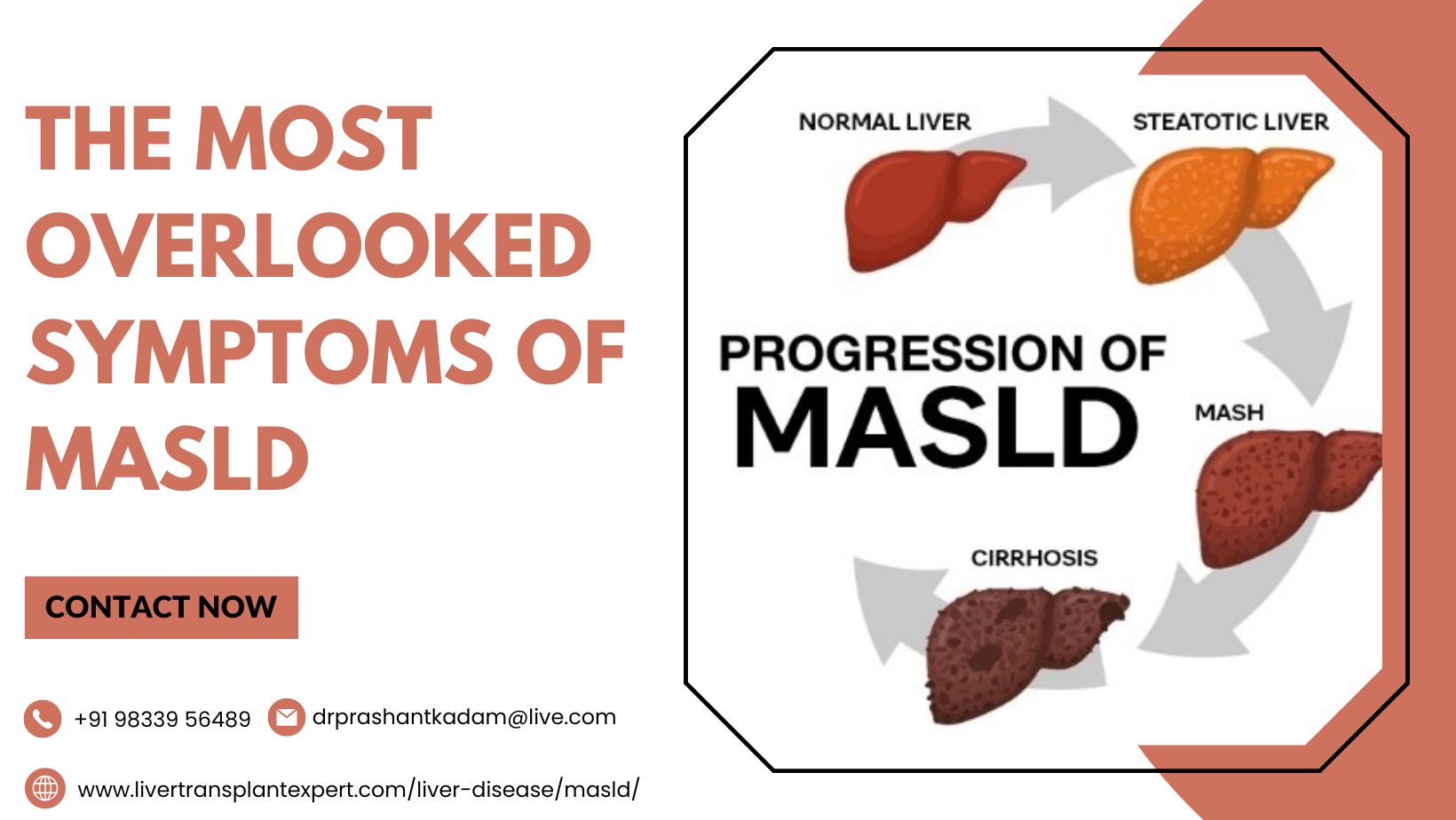 Metabolic Dysfunction-Associated Steatotic Liver Disease (MASLD) is a common liver condition that develops when excess fat accumulates in the liver due to metabolic risk factors such as obesity, type 2 diabetes, insulin resistance, high cholesterol, or high blood pressure. One of the biggest challenges with this condition is that Symptoms of MASLD are often subtle or completely absent in the early stages. Because the warning signs are easy to overlook, many people receive a diagnosis only after routine blood tests or imaging studies reveal liver abnormalities.
Recognising these overlooked symptoms can help people seek medical advice earlier and reduce the risk of serious liver damage.
Why Are MASLD Symptoms Often Missed?
The liver can continue performing its normal functions even when fat has accumulated within its cells. As a result, usually develop gradually and are often mistaken for stress, ageing, poor sleep, or other common health problems.
Many people do not experience severe symptoms until inflammation or liver scarring has already developed. This is why regular health screening is recommended for individuals with metabolic risk factors.
Persistent Fatigue
One of the most overlooked Symptoms of MASLD is ongoing fatigue. Many people feel unusually tired despite getting enough sleep or taking adequate rest. This persistent lack of energy often develops slowly and may interfere with work, exercise, or daily activities.
Because fatigue has many possible causes, it is frequently ignored or attributed to a busy lifestyle instead of an underlying liver condition.
Mild Upper Abdominal Discomfort
Another commonly overlooked symptom is a dull ache or feeling of fullness in the upper right side of the abdomen, where the liver is located. The discomfort is usually mild rather than severe, making it easy to dismiss.
If this sensation persists or occurs alongside metabolic conditions such as diabetes or obesity, medical evaluation is recommended.
Reduced Energy and Weakness
People with MASLD may notice reduced stamina or general weakness during activities that previously felt easy. Some individuals also experience difficulty concentrating or reduced mental focus.
Although these symptoms are not unique to liver disease, they may indicate that the liver is under metabolic stress and should not be ignored when they persist.
Abnormal Liver Blood Tests Without Symptoms
A significant number of people have no noticeable Symptoms of MASLD at all. Instead, the condition is identified after routine blood tests show elevated liver enzymes or during an ultrasound performed for another reason.
This highlights the importance of regular health check-ups, particularly for people with obesity, metabolic syndrome, type 2 diabetes, or abnormal cholesterol levels.
When Symptoms Become More Serious
As MASLD progresses, inflammation and liver fibrosis may develop. At this stage, symptoms become more noticeable and may include worsening fatigue, loss of appetite, unexplained weight loss, nausea, or increasing abdominal discomfort.
Advanced liver disease may also cause jaundice, swelling of the abdomen or legs, easy bruising, and confusion. These symptoms require immediate medical attention because they may indicate significant liver damage.
How Doctors Diagnose MASLD
Doctors diagnose MASLD by reviewing medical history, assessing metabolic risk factors, performing a physical examination, and ordering blood tests to evaluate liver function. These investigations also help rule out other liver diseases.
Imaging studies such as liver ultrasound are commonly used to detect fat accumulation within the liver. FibroScan helps measure liver stiffness and assess fibrosis without invasive procedures. In selected patients, MRI or liver biopsy may be recommended to determine the severity of liver disease.
Early diagnosis allows treatment to begin before permanent liver damage occurs.
MASLD Treatment and Lifestyle Changes
The primary goal of MASLD Treatment is to reduce liver fat, improve metabolic health, and prevent disease progression. International clinical guidelines recommend gradual weight loss through a balanced diet, regular exercise, and effective control of diabetes, blood pressure, and cholesterol.
Doctors may also advise limiting alcohol intake, maintaining a healthy weight, and scheduling regular follow-up appointments to monitor liver health. Treatment plans should always be individualised according to each person’s medical needs.
For patients with advanced liver disease or complex hepatobiliary conditions, consultation with an experienced liver specialist such as Dr Prashant Kadam can help ensure comprehensive evaluation and evidence-based treatment according to internationally accepted clinical guidelines.
Conclusion
The Symptoms of MASLD are often overlooked because they develop gradually or may not appear at all during the early stages. Persistent fatigue, mild abdominal discomfort, reduced energy, and unexplained weakness should not be ignored, particularly in people with metabolic risk factors. Early diagnosis, healthy lifestyle changes, and appropriate MASLD Treatment can help prevent serious liver damage and improve long-term liver health. Seeking timely medical advice remains the most effective way to detect MASLD before complications develop.