
 aria
aria


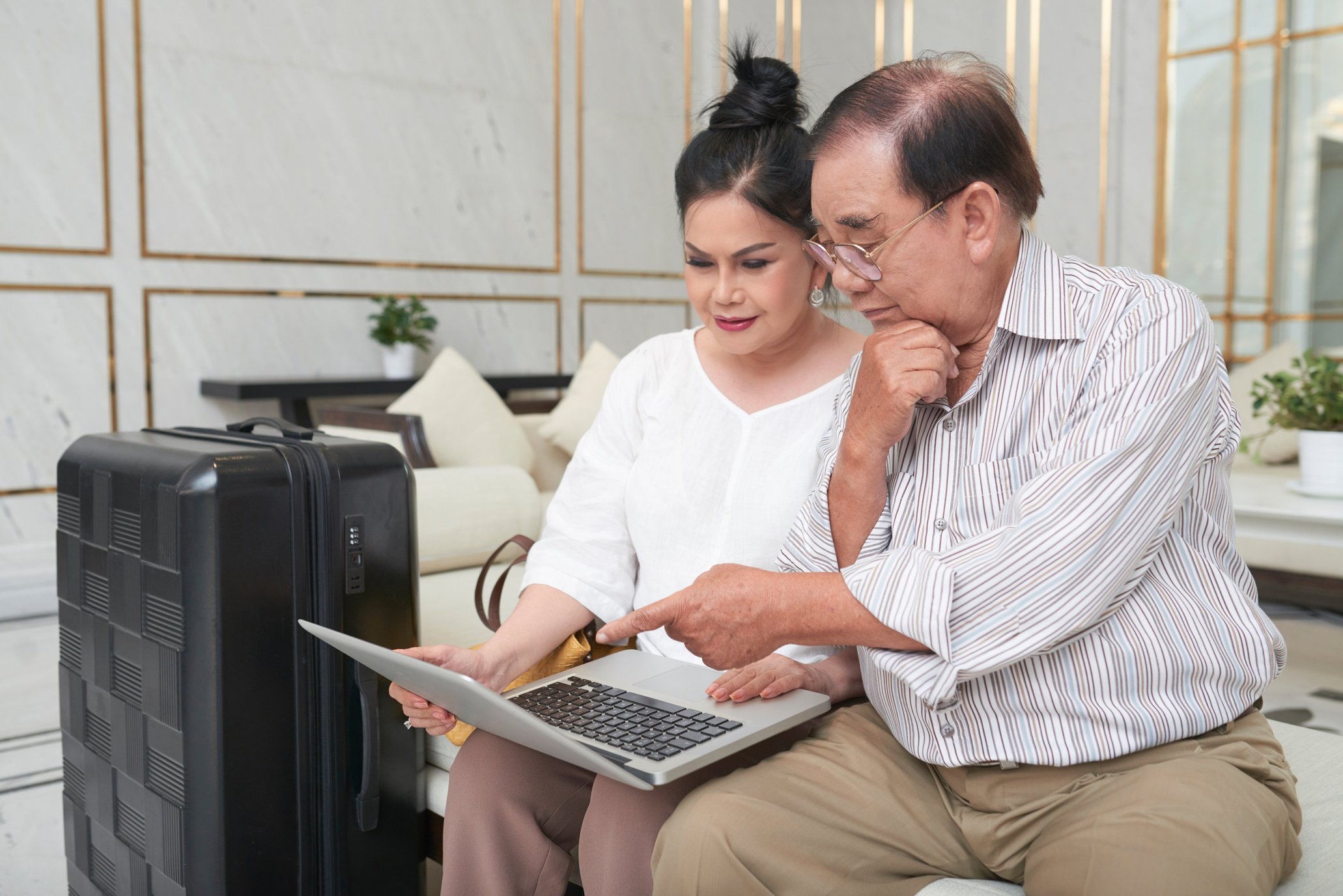
Queues and multi-year processing delays have left many families seeking smarter ways to improve waiting times for parent visas in Australia. While there is no way to jump ahead of the Department of Home Affairs’ official queue, families are taking practical steps to avoid avoidable delays, strengthen applications, and gain access to lawful stay options faster. From understanding the system to preparing early and avoiding common lodgement mistakes, a faster, smoother process is built on solid preparation.
Choose the correct bridging visa path
For onshore parent visa applicants, the correct bridging visa is key to having as much stability as possible without fear of interruption during processing. At present, it’s becoming more common for families to lodge an eligible parent visa application for a parent who is already in Australia and holding a valid visa without restrictions for a further application in Australia. This makes it possible to be granted a Bridging Visa A, lawfully remain in Australia, and (if granted travel rights) avoid having to leave and re-enter offshore repeatedly.
It is also critical to remain visa-compliant, stay aware of bridging visa conditions, and avoid unnecessary travel overseas that could complicate bridging visa requirements.
Manage your queue position strategically
Not every parent visa in Australia is processed at the same speed. Queue management begins with a strategic understanding of how the system works:
- Contributory Parent Visas remain at a faster queue position because the higher fee offsets the Department of Home Affairs costs.
- Non-Contributory Parent Visas often have the longest processing times, stretching well over 30-40 years in some cases.
- In certain circumstances, subclass switching can help families access faster pathways without restarting the process.
Families are also doing their research on the Department of Home Affairs updates, queue release numbers and timing the lodgement of their applications strategically. This means many are waiting until outside peak season lodgements and submitting a very well-prepared application early in the financial year to avoid protracted delays.
Find faster alternative visa pathways
Many families are also reducing their overall waiting time by exploring alternative visa pathways that allow parents to come to Australia sooner. The most common of these alternative visa pathways include:
- Visitor Visas that allow longer stays – sometimes up to 12 months.
- Sponsored Parent (Temporary) Visa – Subclass 870 (which provides stays of up to 5 years at a time).
- Onshore temporary visas if eligibility applies (allow parents to reside in Australia during the time of processing for a permanent parent visa)
It’s important to note that these do not supersede or replace a permanent parent visa application, but these options help families reunite much faster and eliminate long periods of time spent apart.
Avoid lodgement mistakes that cause delays
One of the most significant contributors to parent visa processing delays is mistakes or procedural errors during the application stage. These are the areas that families are paying close attention to avoid delays caused by:
- Incomplete financial or supporting documentation
Assurance of Support (AoS) is key. Missing proof of income, outdated financial records, or incorrect earnings calculations can result in processing being put on hold for months.
- Old form versions or missing attachments
Lodging outdated forms or failing to include all required supporting documentation is a significant impediment to assessment. Successful applicants tend to use updated checklists and have their documents prepared in advance.
- Health or character documentation delays
Waiting to organise medical examinations, police checks, or biometrics can stall the application. It’s now common for families to be organised and pre-plan these checks in readiness when requested by the Department.
- Moving or changing contact details without notifying
This is surprisingly common. A missed email or letter can put a long hold on the process, which is why it is essential to maintain up-to-date and correct contact details.
Prepare a high-quality application the first time
A complete, correct, high-quality application is the easiest way to help reduce your waiting time. Families are spending time ensuring:
- Identity documents are double-checked.
- Correct evidence of family relationships is being included.
- AoS details are being prepared as early as possible.
- A detailed statutory declaration is being used when necessary.
- Clear and readable documents are being uploaded with correct labelling.
Fast and consistent responses to any Department of Home Affairs requests will keep the file moving faster.
Keep up with department updates and annual queue releases
Processing times for parent visas are partly affected by migration caps, program allocations, and government updates. Families who actively keep updated with:
- Priority categories
- Changes in the Family Migration Program
- AoS income threshold updates
- Annual queue release statistics
- Budget announcements
have positioned their applications far better than those who remain reliant on outdated or historic information.
Cutting down on parent visa waiting times requires intensive preparation, a smart visa pathway strategy, and an early understanding of the common delays. A well-planned application, an appropriate bridging visa pathway, and awareness of alternative temporary visas can make all the difference for families wanting a smooth process as they hope to reunite.
Need advice for your personal situation? Feel free to get in touch with an immigration agent in Brisbane to get a clearer understanding of how to avoid costly delays.